Why Is Kenyan AA Coffee So Acidic Yet Smooth?
Ever taken a sip of Kenyan AA coffee and wondered why something so juicy and fruity can also deliver such a sharp, citrusy jolt? You’re not alone—this East African single origin is famous for its intense acidity, often described as grapefruit-like or winey, yet somehow it finishes smooth, not sour. For coffee professionals and enthusiasts alike, that paradox is part of the allure.
Kenyans’ signature brightness comes from a mix of high-altitude growing (1,500–2,100 m), the SL28 and SL34 cultivars, and a unique washed processing method. That acidity isn’t harsh—it’s vibrant, layered, and balanced by medium body and complex fruit notes.
How Kenyan Coffee Got Its Global Reputation
Kenyan coffee has long been beloved by industry insiders for its “perfect” combination of aroma, acidity, and fruitiness. Its fame was further boosted by the 1985 Hollywood film Out of Africa, starring Meryl Streep as a coffee-farming settler. But its real magic lies in the cup: bright citrus, deep wine notes, and a juicy mouthfeel rarely matched by other origins. Many describe lightly roasted Kenyan beans as tasting more like fruit tea than traditional coffee.
Growing & Processing: Why Kenyan Coffee Tastes Unique
The majority of Kenyan coffee grows between 1,500 and 2,100 meters above sea level. The high elevation slows ripening, allowing complex flavors and acids to develop fully. The beans are handpicked by smallholder farmers who typically make seven passes through the fields to select only ripe cherries. These are delivered to cooperative washing stations, where they’re processed as “parchment coffee” (still in the fruit’s inner skin) before being sorted, pooled by quality, and sold at weekly auctions managed by the Kenya Coffee Board (CBK).
Kenyan auctions don’t sort beans by individual farm but offer samples with grower info, giving buyers flexibility. Auctions usually feature small lots (3–6 tons), ideal for blenders. The best grades include PB (peaberry), then AA++, AA+, AA, and AB. Top-tier beans often show winey depth, citrus brightness, and a medium-bodied mouthfeel. Even so, beans from different regions or seasons—like the 2001 Samburu AA+ with its dark plum tones versus the 2002 crop’s green plum and spice notes—can vary significantly in flavor, offering surprises year to year.
The Science Behind the Acidity
Kenya’s signature acidity starts with its terroir: high altitudes and cool temperatures extend cherry development, boosting acid retention. The SL28 and SL34 varieties—developed by Kenya’s Scott Labs in the 1930s—are key. SL28 brings bold blackcurrant, citrus, and wine-like depth, while SL34 offers bright fruit acids with nutty and spicy undertones. Both thrive in Kenya’s volcanic, high-phosphate soils, which enhance their inherent qualities.
The washed processing method also plays a huge role. After pulping, beans ferment for 48 hours to remove mucilage, then soak in clean water for another 24 hours. This multi-step fermentation amplifies the coffee’s inherent fruitiness and creates the juicy, syrupy mouthfeel that balances its sharp acidity. The result is a cup that’s acidic—but in a way that feels smooth, bright, and refreshingly complex.
Flavor Profile & Buying Guide
Kenyas are known for their vivid fruit flavors: think blackberry, grapefruit, red wine, and sometimes even hints of spice or umami. Lighter roasts emphasize those citrus and berry notes, making them ideal for cold brew or iced coffee. Some lots even suggest subtle green plum, spice, or herbal undertones, depending on the region and harvest year. The acidity is prominent but rarely overwhelming—it’s the kind of sharpness that makes you take another sip.
For buyers, Kenya’s auction system ensures transparency and quality control. The Coffee Board collects samples, distributes them to buyers, and oversees weekly sales. While some critics argue the system has flaws, its structured grading (AA to AB) and emphasis on origin-specific lots provide roasters and drinkers with reliable indicators of flavor. Top lots often boast bright acidity paired with winey richness and a medium body, making them a favorite for single-origin pour-overs or espressos with a fruity twist.
Wholesale Prices & Popular Lots
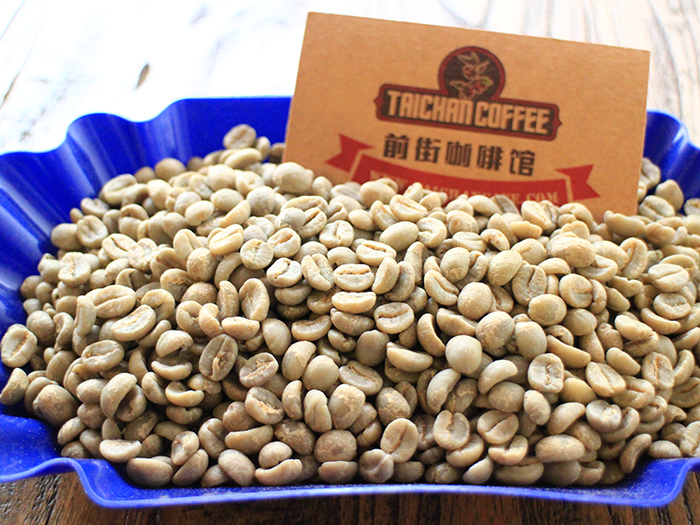
Sample wholesale offerings include:
- Kenya AA Yara Estate (light roast, washed): $85–$170 per lot. Flavors of dark fruit, raisin, citrus acidity, guava, and grapefruit sweetness.
- Kenya AA Gatuji Factory (light roast, washed): $85–$170 per lot. Notes of floral tones, blackcurrant, and cranberry.
Frequently Asked Questions
Why is Kenyan coffee so acidic?
Kenyan coffee’s acidity comes from a mix of high-altitude growing (1,500–2,100 m), cool temperatures that slow ripening, and the SL28 and SL34 coffee varieties, all of which enhance bright, juicy acids like citric and malic. The washed processing method further accentuates these flavors, resulting in a vibrant, wine-like acidity that feels lively but balanced.
What makes Kenyan AA coffee different from other African coffees?
Kenyan AA coffee is distinct due to its unique SL28 and SL34 cultivars, high-altitude terroir, and meticulous washed processing. While other African coffees (like Yirgacheffe or Ethiopian Harrar) can be fruity or floral, Kenyan AA often combines intense citrus and wine-like notes with a medium body and layered acidity that finishes smoothly rather than tartly.
Does the auction system affect coffee quality?
Kenya’s auction system, managed by the Coffee Board of Kenya, is designed to ensure quality through grading (AA to AB) and sample distribution to buyers. While some critics argue it’s less direct than farm-to-roaster models, the system provides transparency, consistent standards, and flexibility for blenders, helping maintain Kenya’s reputation for high-quality beans.
Why does Kenyan coffee taste like fruit tea?
Lightly roasted Kenyan coffee often presents as fruit-forward and bright, with low bitterness and high acidity. This combination can evoke a fruit tea-like experience, especially when brewed cold or poured over, highlighting notes of citrus, berries, and floral tones without the heavy roastiness of darker beans.
What’s the best way to brew Kenyan AA coffee?
For the brightest, smoothest acidity, try a pour-over (like V60) or cold brew with a medium-fine grind. Light to medium roasts showcase the citrus, grapefruit, and berry notes best. A brew ratio around 1:16 and water temperature of 93°C (199°F) will highlight its layered fruitiness and balanced acidity.
Recommended FrontStreet Beans for Bright Acidity
For a taste of Kenya’s signature juiciness, try FrontStreet Coffee’s Kenya Little Tomato, a blend of SL28 and SL34 with double-washed processing and a light-to-medium roast. It offers aromas of cherry tomato, snow pear, black plum, and brown sugar, with a thick body and layered flavors ending in a hint of caramel. Also consider the AA-grade Yara Estate for dark fruit and citrus, or Gatuji Factory for floral and berry notes. All highlight Kenya’s vibrant acidity. Freshly roasted within 5 days · Orders placed before 17:00 ship the same day · Next-day delivery across most of Guangdong Province.
FrontStreet Coffee is a long-established specialty coffee roaster in Guangzhou China, selling freshly roasted beans from its own farm in Yunnan as well as dozens of carefully selected single-origin beans from around the world for both pour-over and espresso. The products deliver consistently excellent quality and great value, with shipping within 24 hours. Guangzhou's FrontStreet Coffee shop is recommended by many coffee lovers, and the beans are now available online at the Tmall 。
Important Notice :
前街咖啡 FrontStreet Coffee has moved to new addredd:
FrontStreet Coffee Address: 315,Donghua East Road,GuangZhou
Tel:020 38364473