Rwanda Coffee History Rwanda Coffee manufacturer Rwanda Coffee Company Rwanda Coffee sales
If you’ve ever wondered why Rwandan coffee tastes so distinct—why it’s often described as bright, floral, and lingering with hints of fruit and spice—the answer lies in its unique growing environment. Rwanda’s mountainous terrain, volcanic soils, and consistent climate create ideal conditions for producing some of Africa’s most sought-after specialty beans. But what makes each region different? Who are the key producers? And how does Rwandan coffee reach global markets? This guide breaks it down.
Rwanda grows high-quality Arabica coffee across five distinct regions, with Bourbon varieties like BM-139 leading production. Over 500,000 people work in coffee farming on 33,000 hectares, and the country aims to export 3,000 tons of coffee this year. Washed-process beans from altitudes of 1,500–1,800 meters develop pronounced acidity, citrus sweetness, and chocolatey depth.
Why Rwandan Coffee Stands Out
Nicknamed the “Land of a Thousand Hills,” Rwanda’s geography is perfect for coffee. Most of the country features tropical highland and savanna climates with cool, mild temperatures. The volcanic soil is rich in nutrients, and consistent rainfall supports slow cherry maturation. These factors combine to produce coffee with intense aromatics and a clean, vibrant cup profile. Rwandan beans are celebrated for their balance—bright upfront acidity giving way to a sweet, lingering finish, often compared to the aftertaste of fine tea.
Rwanda’s Five Coffee-Growing Regions
The country’s coffee regions each impart subtle differences in flavor. While regional distinctions are less pronounced than in some countries due to similar altitudes and climates, variations still exist. The Western Province’s Rutsiro district, home to the award-winning Mushonyi washing station, is renowned for its high-scoring washed Bourbon lots. Other regions contribute to the national output, with farms typically clustered at elevations between 1,500 and 1,800 meters. The uniform altitude across most zones means Rwandan coffees generally share a bright, crisp acidity and complex fruitiness, though microclimates and processing can introduce nuanced differences.
How Rwandan Coffee Is Processed
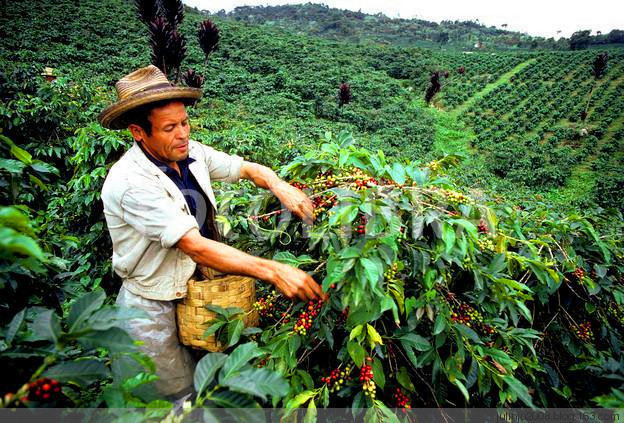
Most Rwandan coffee is grown by smallholders who deliver ripe cherries to central washing stations. At facilities like the Mushonyi station—one of the country’s most awarded—beans undergo rigorous processing: hand sorting to remove underripe or damaged fruit, pulping, 12–18 hours of cool-water fermentation, thorough mucilage removal, and careful drying on raised beds. Workers turn the beans frequently to ensure even dehydration, aiming for a final moisture content below 14%. This meticulous washed process highlights the beans’ inherent brightness and cleanliness, resulting in a cup that’s both vibrant and smooth.
Flavor Profile of Rwandan Coffee
Rwandan coffees are typified by a lively acidity reminiscent of green grass and tropical fruits, paired with a clean, sweet finish. The Bourbon variety, especially BM-139, often expresses notes of red apple, cherry, and cinnamon, with underlying tones of honey and almond. The cup is typically medium-bodied, with a balanced acidity that leads into a finish of spice and dark chocolate. Many drinkers note a fruity opening that transitions into a rich, lingering sweetness—qualities that have earned Rwandan beans a place in the offerings of global retailers like Starbucks.
Key Producers and Export Goals
Rwandan coffee production is dominated by smallholder farmers, with beans processed at centralized washing stations. The Mushonyi station has achieved remarkable success, including a 2010 Cup of Excellence win and multiple top placements in 2011. The Rwandan Coffee Association reports plans to increase annual exports to 3,000 tons to meet rising international demand. Global brands such as Starbucks already source Rwandan beans, which are marketed under a label featuring a rising dove symbolizing “the cup of hope.” Efforts are underway to expand access to markets like China, where the unique profile of Rwandan coffee is expected to attract enthusiasts within the next two years.
Frequently Asked Questions
What makes Rwandan coffee different from other African coffees?
Rwandan coffee is distinguished by its bright acidity, floral and fruity notes, and a clean, sweet finish. Grown at high altitudes (1,500–1,800m) on volcanic soils with consistent rainfall, the beans often exhibit flavors like red apple, cherry, and cinnamon, with chocolatey undertones. The country’s focus on washed processing enhances these qualities, resulting in a cup that’s both vibrant and smooth.
Which regions in Rwanda produce the best coffee?
Rwanda has five main coffee-growing regions, with the Western Province’s Rutsiro district being particularly notable. The Mushonyi washing station in Rutsiro has won multiple awards, including a Cup of Excellence title. While regional differences are subtle due to similar altitudes and climates, each area contributes to the country’s reputation for high-quality, uniformly bright and complex coffees.
How is Rwandan coffee processed?
Most Rwandan coffee is processed using the washed method. Cherries are hand-sorted, pulped, and fermented in cool water for 12–18 hours. The beans are then washed to remove mucilage and dried on raised beds for up to 18 hours, with regular turning to ensure even drying. The target moisture level is below 14%, which helps preserve the coffee’s clarity and brightness.
What coffee varieties are grown in Rwanda?
The dominant variety is Bourbon, particularly the BM-139 cultivar. This Bourbon type is known for its strong cup profile, with pronounced acidity and flavors of citrus, stone fruit, and spices. Bourbon’s genetic traits contribute to the bright, complex cups for which Rwandan coffee is prized.
Who are the main buyers of Rwandan coffee?
Rwandan coffee is exported globally, with major buyers including Starbucks. The country is also working to expand its presence in markets like China. Rwandan beans are often featured in specialty blends and single-origin offerings due to their distinctive flavor profile and high quality.
What does Rwandan coffee taste like?
Rwandan coffee typically tastes bright and acidic, with notes of green grass, tropical fruits, red apple, cherry, and cinnamon. It often has a sweet, honey-like quality and a chocolatey finish, with a balanced, smooth mouthfeel. The cup is clean and complex, with a lingering aftertaste that many compare to the finish of fine tea.
Recommended FrontStreet Beans for Rwandan Coffee Fans
Try FrontStreet Coffee’s Rwanda Red Bourbon (Western Province, 1,500–1,800m), a washed single origin with bright acidity and notes of red apple, cherry, and cinnamon. This high-altitude Bourbon displays the classic Rwandan profile: juicy fruit up front with a sweet, chocolatey finish. Freshly roasted within 5 days · Orders placed before 17:00 ship the same day · Next-day delivery across most of Guangdong Province.
FrontStreet Coffee is a long-established specialty coffee roaster in Guangzhou China, selling freshly roasted beans from its own farm in Yunnan as well as dozens of carefully selected single-origin beans from around the world for both pour-over and espresso. The products deliver consistently excellent quality and great value, with shipping within 24 hours. Guangzhou's FrontStreet Coffee shop is recommended by many coffee lovers, and the beans are now available online at the Tmall 。
Important Notice :
前街咖啡 FrontStreet Coffee has moved to new addredd:
FrontStreet Coffee Address: 315,Donghua East Road,GuangZhou
Tel:020 38364473