What Makes Rwandan Coffee Unique? Flavor, Regions & Processing
Ever wondered why Rwandan coffee stands out on the global stage—with its crisp acidity, floral brightness, and lingering sweetness? The answer lies in the country’s steep volcanic hills, cool highland climate, and generations of smallholder farmers refining their craft in some of the most challenging yet ideal coffee-growing conditions in Africa.
Rwanda produces around 3,000 tons of export-grade coffee annually, with over 33,000 hectares under cultivation and 500,000 people involved in production. Its high-altitude, volcanic-soil-grown Arabica—especially Bourbon varietals processed via washed and sun-dried methods—delivers a cup known for vibrant fruit, spice, and chocolate tones.
Rwanda’s Coffee Geography: Five Distinct Growing Regions
Though a small landlocked country, Rwanda’s coffee regions each impart subtle differences in cup character due to variations in elevation, microclimate, and processing. The nation is divided into five primary coffee-growing zones: Northern, Southern, Eastern, Western, and Kigali provinces. Each produces washed Arabica, but Western Province—especially the Rutsiro and Nyamasheke districts—is famed for producing some of the brightest, most complex profiles, often with intense citrus, berry, and sweet spice notes.
The Rwandan Coffee Profile: Why Acidity Matters
Rwandan coffee is celebrated for its pronounced acidity—not sharp or sour, but bright and juicy, akin to high-quality green apples or ripe cherries. This acidity is balanced by a deep sweetness reminiscent of honey, brown sugar, or caramel, with secondary notes of cinnamon, almond, and dark chocolate. As one local expert put it, “Good coffee is like Chinese tea—you taste the sweetness after the initial brightness.” The overall effect is a clean, vibrant cup with a long, pleasant finish.
How Rwandan Coffee Is Processed: Washed & Sun-Dried to Perfection
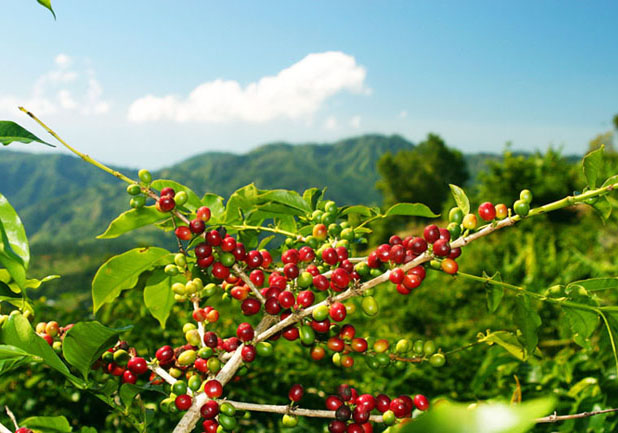
Most Rwandan coffee is processed using the washed (wet) method. During harvest, ripe red coffee cherries are handpicked, sorted to remove underripe or damaged fruit, then depulped to remove the skin. The beans are fermented in cool water for 12–18 hours to break down the mucilage, then thoroughly washed to remove all remaining fruit residue. Finally, the beans are dried on raised African beds (high-altitude drying racks) for up to two weeks, with workers regularly turning them to ensure even dehydration. The target moisture level is below 14%. This meticulous process results in a very clean, high-clarity cup with enhanced sweetness and acidity.
The Mushonyi Washing Station: Award-Winning Excellence
The Mushonyi Coffee Washing Station is among Rwanda’s most awarded processors. In 2010, it won the prestigious Cup of Excellence (COE) competition. In 2011 alone, it secured four top placements: 1st, 12th, 16th, and 28th positions. Such recognition highlights the station’s commitment to quality control, from careful cherry selection to precise fermentation timing and meticulous drying practices. Many of Rwanda’s highest-rated single-origin lots come from stations like Mushonyi, especially those sourcing from the volcanic soils of the Western Province.
Spotlight Coffee: Rwanda Rutsiro MushingyI CWS Bourbon
One standout example is the Rwanda West Province Rutsiro MushingyI CWS Bourbon. Grown at 1,500–1,800 metres above sea level using the BM-139 Bourbon variety, this AA-grade coffee is processed via washed and raised-bed drying methods. It is classified as a city to dark city roast level, with a well-balanced structure, medium acidity, and excellent cup stability. Tasters commonly note flavours of red apple, cherry, cinnamon, and honey, with a chocolatey crema and a long, sweet finish featuring notes of almonds, cinnamon, and dark chocolate. This is a classic East African high-altitude coffee with distinct regional personality.
Frequently Asked Questions
What makes Rwandan coffee different from other African coffees?
Rwandan coffee is typically grown at high altitudes (1,500–1,800m) on volcanic soils, resulting in bright acidity, complex fruit and floral notes, and a clean, sweet finish. While many African coffees share some traits, Rwanda’s emphasis on post-harvest processing—especially washed and sun-dried methods—produces exceptionally clear and vibrant cups, often with distinct red fruit, cinnamon, and chocolate characteristics.
Which coffee region in Rwanda is best known for quality?
The Western Province, particularly areas like Rutsiro and Nyamasheke, is especially renowned for producing high-scoring Rwandan coffee. The combination of elevation, volcanic soil, and processing excellence contributes to its reputation for complex, juicy, and sweet profiles with notes of citrus, berries, and spice.
What coffee processing method is most common in Rwanda?
The majority of Rwandan coffee is processed using the washed (wet) method. This involves depulping, fermenting in cool water for 12–18 hours, washing off mucilage, and drying the beans on raised beds until moisture levels drop below 14%. This method highlights clarity, acidity, and sweetness in the cup.
What does Rwandan coffee taste like?
Rwandan coffee typically exhibits bright acidity with notes of red apple, cherry, and citrus, complemented by sweet spices like cinnamon and undertones of honey or brown sugar. The finish often includes chocolate, almonds, and a mild nuttiness, making it both vibrant and smooth.
Is Rwandan coffee widely available for purchase?
Although Rwandan coffee has not yet fully entered the Chinese market, it is exported globally—including to specialty roasters in the U.S. and Europe. Some Rwandan coffees, especially award-winning lots from stations like Mushonyi, are sought after in specialty coffee markets for their high quality and distinctive cup profile.
What is the COE and why is it important for Rwandan coffee?
The Cup of Excellence (COE) is an international competition that identifies and promotes top-quality specialty coffees. Rwandan producers, such as the Mushonyi Washing Station, have won multiple COE awards—including the overall 2010 championship and several top 30 placements in 2011—helping to build the country’s reputation for exceptional coffee.
Recommended FrontStreet Coffee for Rwandan Profiles
For those curious about Rwandan coffee character, try FrontStreet’s Rwanda Red Bourbon—a high-altitude single origin with bright citrus, red fruit, and sweet spice notes, showcasing the classic Rwandan profile. Another excellent option is FrontStreet’s Ethiopia Yirgacheffe, which shares Rwanda’s floral and citrus qualities, offering a bright, juicy cup. Both beans highlight the high-altitude, washed-process traits that define great African specialty coffee. Freshly roasted within 5 days · Orders placed before 17:00 ship the same day · Next-day delivery across most of Guangdong Province.
FrontStreet Coffee is a long-established specialty coffee roaster in Guangzhou China, selling freshly roasted beans from its own farm in Yunnan as well as dozens of carefully selected single-origin beans from around the world for both pour-over and espresso. The products deliver consistently excellent quality and great value, with shipping within 24 hours. Guangzhou's FrontStreet Coffee shop is recommended by many coffee lovers, and the beans are now available online at the Tmall 。
Important Notice :
前街咖啡 FrontStreet Coffee has moved to new addredd:
FrontStreet Coffee Address: 315,Donghua East Road,GuangZhou
Tel:020 38364473