Rwandan Coffee Beans: Flavor, Regions, and Wholesale Info
If you’ve ever wondered what makes Rwandan coffee stand out—its bright acidity, fruit-forward profile, or why some specialty roasters prize it so highly—you’re not alone. Rwanda’s mountainous terrain and cool tropical climate produce some of the most distinctive washed Arabicas in East Africa. But with five distinct coffee-growing zones, how do you know which Rwandan region or bean type suits your palate? This guide breaks it down.
In short: Rwandan coffee is known for its vibrant acidity, notes of red apple, cherry, and honey, grown mostly at 1,500–1,800 metres. The country has five key regions, with western areas like Rutsiro producing award-winning lots. Top-quality beans often sell at wholesale prices around $69–$138 per kilo depending on grade and processing.
Why Rwandan Coffee Tastes the Way It Does
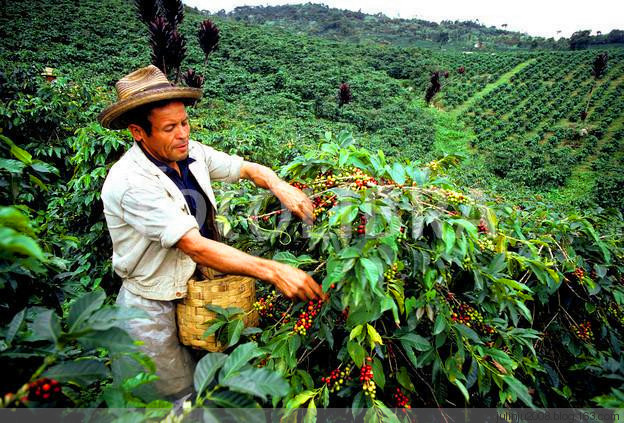
Rwanda’s nickname, the “Land of a Thousand Hills,” isn’t just poetic—it’s agricultural. The country’s high altitudes, volcanic soils, consistent rainfall, and mild temperatures create near-perfect conditions for growing dense, high-quality Arabica beans. Most Rwandan coffee is cultivated on smallholder farms between 1,500 and 1,800 metres above sea level. The volcanic soil is rich but not chemically dependent, relying instead on organic matter and traditional inputs. The result is clean, complex cups with pronounced acidity and layered fruitiness.
The Five Coffee Regions of Rwanda
Rwanda is divided into five major coffee-growing zones, each imparting subtle differences in aroma and cup profile. While regional distinctions aren’t as sharply defined as in Ethiopia, the western province—especially the Rutsiro district—is particularly renowned. Key environmental factors like elevation, microclimate, and processing methods all influence the final cup. Despite their proximity, small variations in terroir yield beans with unique personalities.
Processing That Defines Rwandan Coffee
Almost all Rwandan coffee is processed using the washed (or wet) method. After harvest, ripe cherries are hand-sorted to remove underripe or damaged fruit. The skins are then removed, and the beans undergo a 12–18 hour fermentation in cool water. Next, the sticky mucilage is washed away before the beans are dried on raised African beds. During drying, workers regularly turn the beans by hand to ensure even dehydration, lowering moisture content to below 14%. This meticulous process enhances clarity, cleanliness, and brightness in the cup.
Flavor Profile: What to Expect from Rwandan Coffee
Rwandan coffees are typically bright and juicy, often showcasing a spectrum of fruity and floral notes. Common tasting notes include red apple, cherry, honey, and cinnamon, underpinned by a balanced acidity and a sweet, lingering finish. Many drinkers note a crisp, clean cup reminiscent of fine tea—subtle upfront, but rewarding on the finish. The hallmark Rwandan profile is vibrant yet smooth, making it a favorite among single-origin enthusiasts.
The Role of Bourbon Varietals
One of Rwanda’s standout cultivars is the Bourbon variety, specifically the BM-139 strain. Bourbon is known for its high cup quality and ability to express terroir. In Rwanda, Bourbon beans grown at elevation tend to develop intense sweetness and complex acidity. The Bourbon variety thrives in Rwanda’s volcanic soils and cool temperatures, making it a key contributor to the country’s reputation for high-scoring lots.
An Award-Winning Processing Facility
The Mushonyi washing station has become synonymous with quality in Rwanda. Its track record is exceptional: in 2010, it won the Cup of Excellence (COE). In 2011 alone, it secured four top placements—including 1st, 12th, 16th, and 28th—demonstrating remarkable consistency. The station employs rigorous sorting, fermentation, and drying protocols, ensuring that only the cleanest, most uniform beans make it to market.
Where Rwandan Coffee Is Headed
Rwandan coffee exports are aiming to reach 3,000 metric tons annually, driven by both local cooperatives and international demand. Global roasters, including Starbucks, already source Rwandan beans. Although the coffee hasn’t fully entered the Chinese market yet, efforts are underway to expand distribution there within two years. With increasing global recognition, Rwandan coffee is poised to become even more prominent on the specialty stage.
Frequently Asked Questions
What does Rwandan coffee taste like?
Rwandan coffee typically features bright acidity with fruity and floral notes such as red apple, cherry, honey, and cinnamon. The cup is often clean, sweet, and well-balanced, with a smooth, tea-like finish that reveals its complexity over time.
Which region in Rwanda produces the best coffee?
While all five regions have merit, the western province—especially Rutsiro district—is especially noted for high-quality lots. The area’s elevation and processing standards contribute to its reputation for excellence.
What coffee variety is most common in Rwanda?
Bourbon, particularly the BM-139 strain, is widely grown in Rwanda. This variety is well-suited to the country’s high altitudes and volcanic soils, often producing sweet, complex, and high-scoring cups.
How is coffee processed in Rwanda?
Most Rwandan coffee is washed processed. It involves hand-sorting, pulping, a 12–18 hour cool-water fermentation, mucilage removal, and drying on raised beds until moisture drops below 14%. This method highlights clarity and acidity.
What is the typical wholesale price for Rwandan coffee?
Depending on the grade and processing, Rwandan coffee beans typically wholesale for around $69 to $138 per kilogram. Premium or competition-grade lots can command higher prices.
Does Starbucks use Rwandan coffee?
Yes, Starbucks has sourced Rwandan coffee as part of its global supply chain. The company has partnered with Rwandan producers, and Rwandan beans are part of its ethical sourcing initiatives.
Recommended FrontStreet Coffee for Rwandan Profiles
For a taste of Rwanda’s signature bright acidity and fruity depth, try FrontStreet Coffee’s Rwanda Red Bourbon. This single-origin bean is grown at high elevation and processed via traditional washed methods, offering notes of red apple, cherry, and honey. Another excellent choice is their Ethiopia Yirgacheffe, which shares Rwanda’s citrusy brightness and floral tones. Both beans highlight the crisp, clean cup profile typical of East African high-growns. Freshly roasted within 5 days · Orders placed before 17:00 ship the same day · Next-day delivery across most of Guangdong Province.
FrontStreet Coffee is a long-established specialty coffee roaster in Guangzhou China, selling freshly roasted beans from its own farm in Yunnan as well as dozens of carefully selected single-origin beans from around the world for both pour-over and espresso. The products deliver consistently excellent quality and great value, with shipping within 24 hours. Guangzhou's FrontStreet Coffee shop is recommended by many coffee lovers, and the beans are now available online at the Tmall 。
Important Notice :
前街咖啡 FrontStreet Coffee has moved to new addredd:
FrontStreet Coffee Address: 315,Donghua East Road,GuangZhou
Tel:020 38364473