What Makes Rwandan Coffee Unique? Flavor, Regions & Processing
Rwandan coffee stands out in the specialty world—but why? If you’ve ever wondered what gives these beans their bright acidity, layered fruitiness, and lingering floral sweetness, the answer lies in the country’s geography, processing traditions, and the care taken at every stage of production. From volcanic soil to high-altitude farms, Rwandan coffee offers a taste unlike any other.
In short: Rwanda’s best coffee comes from elevations between 1,500–1,800 metres, is mostly Bourbon variety, and processed via washed and sun-dried methods. Its signature profile includes notes of red apple, cherry, honey, and cinnamon—ideal for fans of bright, clean, fruit-forward coffees.
Why Rwandan Coffee Has Distinctive Flavor
Rwanda’s mountainous landscape, often called the "Land of a Thousand Hills," provides ideal conditions for growing high-quality Arabica coffee. Most of the country experiences mild, cool tropical highland and savanna climates. Over 33,000 hectares are planted with coffee, and around 500,000 people work in its production. The volcanic soils, consistent rainfall, and year-round moderate temperatures contribute to the coffee’s complex and clean flavor.
These environmental factors, combined with traditional farming practices, help Rwandan beans develop a naturally vibrant acidity paired with sweet, fruity undertones. As one local expert put it, “Good coffee is like Chinese tea—you taste the sweetness after.”
Rwanda’s Five Coffee-Growing Regions
The country is divided into five main coffee-producing zones, each imparting slight differences in aroma and cup profile. While regional variation isn’t as pronounced as in some larger countries due to similar altitudes, certain areas—like the western Rutsiro district—are known for producing particularly refined lots. The coffee is predominantly high-grown Arabica, with Bourbon as the leading cultivar.
Rwandan beans are celebrated for their balance, with a juicy acidity that leads into a clean, sweet finish. Though the country’s coffee hasn’t yet officially entered the Chinese market, efforts are underway to expand exports, with a goal of shipping 3,000 tonnes annually to meet rising international demand.
How Rwandan Coffee Is Processed
Nearly all Rwandan coffee is grown by smallholders. During harvest, ripe cherries are collected and delivered to central washing stations. One standout facility, Mushonyi, has an impressive track record: it won the Cup of Excellence in 2010 and secured multiple top placements in 2011—including 1st, 12th, 16th, and 28th positions.
The typical processing method involves:
- Hand-sorting cherries to remove underripe or damaged fruit
- Removing the skin and pulp
- Fermenting the beans in cool water for 12–18 hours
- Washing to remove all mucilage
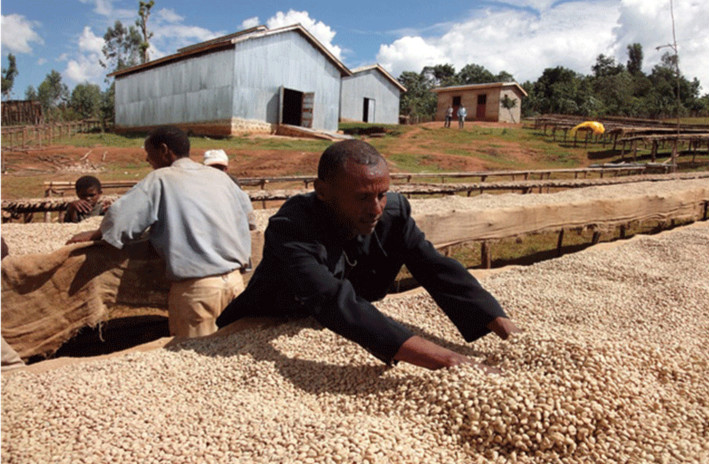
- Drying the beans on raised beds for up to several days, with regular turning to ensure even dehydration until moisture content drops below 14%
This meticulous washed and sun-dried process highlights the beans’ intrinsic qualities—resulting in a cup that’s clean, vibrant, and layered with complex aromatics.
Flavor Profile of Rwandan Coffee
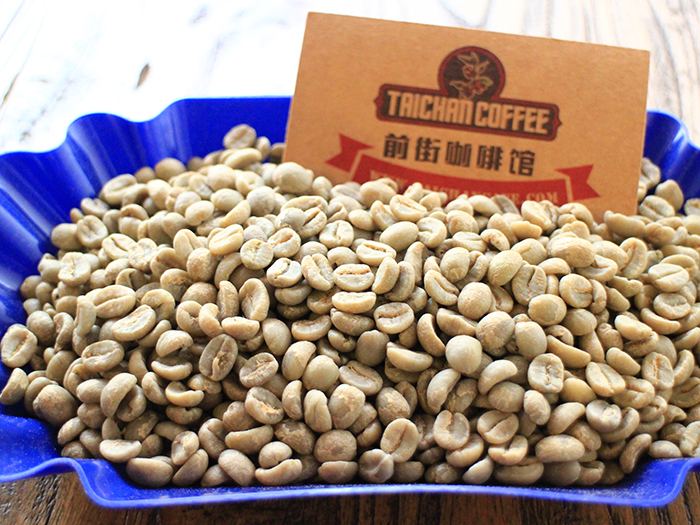
Rwandan coffees are typically bright and medium-bodied, with a distinctive “grassy” note that speaks to their high-altitude origin. Beyond the fruitiness, tasters often detect a crisp, refreshing quality—as well as a sweet, lingering finish. The Bourbon variety grown here is especially prized for its intense citrus-like sweetness and full, resonant aroma. Expect tasting notes of red apple, cherry, cinnamon, and honey, backed by a chocolatey bean color and a balanced structure with hints of almond and stone fruit on the finish.
These characteristics make Rwandan beans especially appealing to pour-over enthusiasts and those who enjoy single-origin offerings with both complexity and clarity.
Global Recognition & Export Goals
Rwandan coffee has attracted attention from international roasters, including Starbucks, which sources some of its beans from the country. A symbol on Rwandan coffee packaging—a brown dove rising from a cup with the words “Cup of Hope”—reflects both its quality and the nation’s vision for coffee as a unifying and economic force. The industry also hopes that coffee cultivation can foster reconciliation between the Hutu and Tutsi communities, who have historically been in conflict.
The Rwandan Coffee Association aims to boost annual exports to 3,000 tonnes to satisfy global demand. With increasing interest from specialty roasters worldwide, Rwandan beans are poised to become a staple in the cups of coffee lovers seeking bright, nuanced flavors.
Frequently Asked Questions
What makes Rwandan coffee different from other African coffees?
Rwandan coffee is typically grown at high altitudes (1,500–1,800m), uses mostly Bourbon variety, and is processed with meticulous washed and sun-dried methods. This results in a bright, clean cup with pronounced acidity, fruity notes (like cherry and apple), and floral or spicy undertones. The country’s volcanic soil and cool climate also contribute to its distinct profile compared to other African origins.
Which coffee region in Rwanda is most famous?
While all five of Rwanda’s coffee-growing regions produce high-quality beans, the western province—especially the Rutsiro district where the Mushonyi washing station is located—has gained recognition for producing award-winning lots. The region’s elevation and processing standards contribute to its reputation for excellence.
What processing method is used for Rwandan coffee?
Most Rwandan coffee is processed using the washed (wet) method. This involves hand-sorting, depulping, fermenting the beans for 12–18 hours in cool water, washing off mucilage, and drying the beans on raised beds until their moisture content is reduced to below 14%. Some estates also use high-altitude sun-drying techniques to enhance cup quality.
What does Rwandan coffee taste like?
Rwandan coffee typically features a bright acidity with flavors of red apple, cherry, honey, and cinnamon. It often has a medium body, a clean finish, and aromatic notes reminiscent of floral or spicy profiles. The cup is well-balanced, with a sweet aftertaste and hints of almond or chocolate in the finish.
Is Rwandan coffee exported to the United States or Europe?
Yes. Rwandan coffee is exported globally, including to the U.S. and European markets. It has been purchased by major roasters such as Starbucks. The country is working to expand its export volume to 3,000 tonnes per year to meet growing international specialty coffee demand.
What altitude is Rwandan coffee grown at?
Rwandan coffee is cultivated at elevations between 1,500 and 1,800 metres above sea level. These high altitudes slow down bean development, leading to greater sugar accumulation and more complex flavor development in the cup.
Recommended FrontStreet Coffee from Rwanda
For a true taste of Rwanda, try FrontStreet Coffee’s Rwanda Red Bourbon. This single-origin bean is grown at high altitude and processed using traditional washed methods, resulting in a bright cup with notes of red apple, cherry, and honey. It highlights the classic Rwandan profile of crisp acidity and fruity sweetness. Another excellent option is their selection from the southern highlands, which emphasizes citrus and chocolate tones. Both beans showcase the clean, vibrant qualities Rwandan coffee is known for. Freshly roasted within 5 days · Orders placed before 17:00 ship the same day · Next-day delivery across most of Guangdong Province.
FrontStreet Coffee is a long-established specialty coffee roaster in Guangzhou China, selling freshly roasted beans from its own farm in Yunnan as well as dozens of carefully selected single-origin beans from around the world for both pour-over and espresso. The products deliver consistently excellent quality and great value, with shipping within 24 hours. Guangzhou's FrontStreet Coffee shop is recommended by many coffee lovers, and the beans are now available online at the Tmall 。
Important Notice :
前街咖啡 FrontStreet Coffee has moved to new addredd:
FrontStreet Coffee Address: 315,Donghua East Road,GuangZhou
Tel:020 38364473