What to Know About Peruvian Coffee and Maca Blends
If you’ve ever sipped a balanced, smooth cup of coffee that didn’t knock you over with acidity or bitterness but still delivered complexity, there’s a good chance it had some Peruvian beans in it. But what exactly makes Peruvian coffee so reliably good in blends—and is it worth seeking out on its own?
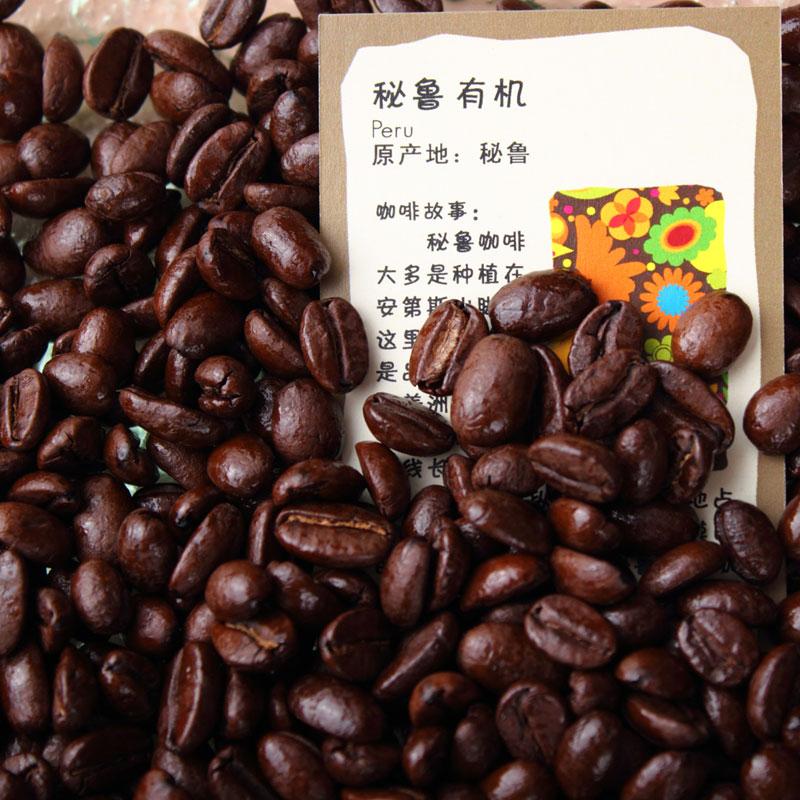
Peruvian coffee is known for its mild, rounded acidity, medium body, and sweet, nutty-caramel profiles. Around 98% is grown organically in high-altitude regions like Chanchamayo, Cuzco, Puno, and Norte, typically between 1,300–2,000 metres above sea level. Quality beans often show subtle notes of stone fruit, chocolate, and nuts, making them ideal both for single-origin enjoyment and for stabilising espresso or filter blends.
Where Peruvian Coffee Comes From
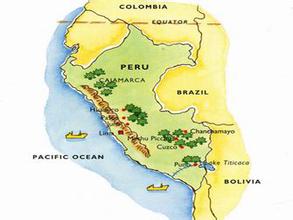
Peru is located on the western edge of South America, with over 2,200 km of Pacific coastline and the Andes Mountains stretching the length of the country. Around a third of Peru is mountainous, and much of its coffee is grown on the eastern slopes of the Andes. The best altitudes for coffee cultivation in Peru range from 1,300 to 1,850 metres, though some premium lots reach up to 2,000 metres.
Most Peruvian coffee farms are smallholder operations, with up to 98% of production coming from forested areas. These producers typically grow coffee under shade, resulting in slower maturation, greater flavour development, and lower caffeine levels. This method also produces what is classified as organic coffee—though certification remains difficult for many due to cost.
Top Coffee-Growing Regions in Peru
Although coffee is grown nationwide, the most renowned Peruvian coffees come from four key regions:
- Chanchamayo (central): Known for bright acidity and balanced sweetness
- Cuzco (southern): Produces smooth, complex, and often organic beans
- Puno (southern, near Lake Titicaca): High-altitude lots with delicate floral and nutty traits
- Norte (northern): Lesser-known but emerging for solid baseline profiles
The finest Peruvian coffees tend to have the clarity and brightness associated with Central American beans, but with the heavier mouthfeel and fruity undertones typical of South American origins. They often shine in blends but are increasingly appreciated as single-origin pour-overs or filter brews.
Flavour Profile & Market Position
Peruvian coffee is typically mild in acidity with a medium body and flavours that include caramel, nuts, chocolate, and soft fruits. These characteristics make it a staple in commercial and specialty blends where stability and smoothness are valued.
The country’s stable political environment and improving infrastructure have supported consistent coffee production, rising from around 900,000 bags per year in the 1970s to a steady 1.3 million bags. While government control once dominated exports, a private Peruvian Coffee Exporters Association now enforces quality standards, helping elevate the reputation of the country’s beans.
High-quality Peruvian coffees are usually washed processed and grown organically under shade. Although cheaper, non-certified organic beans can have off-flavours such as grassiness or over-fermentation, well-selected lots offer excellent cup quality and value.
What Is Maca Coffee? (And How It’s Different)
Maca coffee is not a type of Peruvian coffee—but a beverage that sometimes includes Peruvian coffee as a base. It’s typically made with extracts from Lepidium meyenii, a high-altitude Peruvian herb also called maca root, along with regular coffee, milk powder, and other additives. Maca is marketed for its supposed energy-boosting and hormone-balancing effects, and grows only at elevations above 4,000 metres in the Andes.
Importantly, maca coffee is not a pure coffee product. It often contains coffee powder mixed with maca extract and plant-based creamer—not fresh-ground Peruvian beans. If you’re after the distinct, clean-tasting profile of genuine Peruvian coffee, maca blends won’t deliver the same experience. Always check whether you’re buying pure coffee or a functional drink.
Spotlight: Single-Origin Peruvian Coffee (PeruFTOSOLYCAFE)
One representative example of high-quality Peruvian coffee is the lot PeruFTOSOLYCAFE. Sourced from the Cajamarca region at 1,800–2,000 metres above sea level, this coffee is cultivated by the Cooperativa Solar (Sunshine Cooperative) using washed processing. The varieties include Typica, Caturra, Bourbon, and Catuai.
This coffee is known for its sweet, approachable profile featuring flavours of nut, caramel, and cream. It’s an excellent example of how Peruvian beans can offer both balance and distinct character, whether brewed as filter or used in a blend.
Frequently Asked Questions
Where is Peruvian coffee grown?
Peruvian coffee is primarily grown on the eastern slopes of the Andes Mountains, at elevations between 1,300 and 2,000 metres, with some lots reaching up to 2,000 metres. Key regions include Chanchamayo, Cuzco, Puno, and Norte.
What does Peruvian coffee taste like?
Peruvian coffee typically has mild acidity, medium body, and flavours such as nuts, caramel, chocolate, and soft fruits. It is known for being smooth, balanced, and easy to drink, making it a favourite in coffee blends.
Is Peruvian coffee usually organic?
Yes, around 98% of Peruvian coffee is grown in forested, shade-covered environments under organic conditions. However, not all of it is certified organic due to the costs of certification, and some lower-grade beans may have off-flavours.
What’s the difference between Peruvian coffee and maca coffee?
Peruvian coffee is a brewed coffee made from Coffea arabica beans grown in Peru. Maca coffee is a beverage that may include regular coffee but is primarily made with maca root extract, milk powder, and other additives for perceived health benefits—it is not a pure coffee product.
Which Peruvian coffee regions are best for quality?
The best-known regions for high-quality Peruvian coffee are Chanchamayo and Cuzco. Chanchamayo produces bright, balanced cups, while Cuzco is known for smooth, often organic beans with complex flavour profiles.
What coffee varieties are grown in Peru?
Common varieties in Peru include Typica, Caturra, Bourbon, and Catuai. These are typically grown using washed processing methods and cultivated under shade at high altitudes.
Recommended FrontStreet Beans for Pour-Over & Blending
For fans of Peruvian coffee’s balanced profile, try FrontStreet’s Brazil Hilariano Red Bourbon: medium-bodied with creamy notes of peanut butter and dark chocolate, perfect for blending or relaxing pour-overs. Also consider Colombia Huila Sidra—sweet, juicy, and layered with tropical fruit, ideal for adding brightness to a Peruvian base. Both beans highlight the kind of clarity and structure that complement the gentle complexity of Peruvian origins. Freshly roasted within 5 days · Orders placed before 17:00 ship the same day · Next-day delivery across most of Guangdong Province.
FrontStreet Coffee is a long-established specialty coffee roaster in Guangzhou China, selling freshly roasted beans from its own farm in Yunnan as well as dozens of carefully selected single-origin beans from around the world for both pour-over and espresso. The products deliver consistently excellent quality and great value, with shipping within 24 hours. Guangzhou's FrontStreet Coffee shop is recommended by many coffee lovers, and the beans are now available online at the Tmall 。
Important Notice :
前街咖啡 FrontStreet Coffee has moved to new addredd:
FrontStreet Coffee Address: 315,Donghua East Road,GuangZhou
Tel:020 38364473