What Makes Peruvian Coffee Unique? Flavor & Facts
If you’ve ever sipped a balanced, subtly sweet cup of coffee with soft acidity and a smooth body—without quite knowing where it came from—you may have already tried Peruvian coffee. Often used in blends to add stability and roundness, Peruvian beans are quietly gaining attention for their distinct character and sustainable production. But what makes Peruvian coffee stand out in a crowded global market?
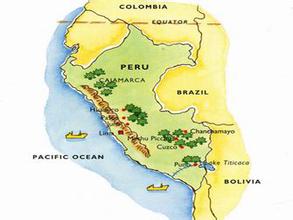
Peruvian coffee is typically grown at elevations between 1,300–1,850 meters, with premium lots reaching up to 2,000 meters, mainly in the Andean highlands. It’s known for a clean, mild profile with soft acidity, medium body, and notes of nuts, caramel, and cream. Key producing regions include Chanchamayo, Cuzco, Puno, and Norte.
Where Is Peruvian Coffee Grown?
Peru is located on the western edge of South America, stretching 2,254 kilometers along the Pacific coast. Over a third of the country consists of mountainous terrain from the Andes range, with a climate that is dry and mild overall. Most of the country’s 98% forest-grown coffee thrives in the eastern Andean foothills, particularly between 1,300 and 1,850 meters above sea level—some reaching up to 2,000 meters. The high altitudes slow cherry maturation, allowing beans to develop more complex sugars and lower caffeine levels.
The most celebrated Peruvian coffees come from Chanchamayo and Cuzco, where the combination of altitude, shade-grown practices, and traditional varieties fosters complex, often organic profiles. Though shade growing limits yield, it significantly enhances cup quality. Much of Peru’s output qualifies as organic—not by design, but due to economic barriers to chemical inputs among smallholder farmers.
Why Is Peruvian Coffee So Mild and Balanced?
Peruvian coffee’s signature taste comes from both terroir and production style. Grown mostly under shade in high-altitude microclimates, the beans develop slowly, resulting in a cup with gentle acidity, a rounded mouthfeel, and clean sweetness. Flavors commonly noted include nuttiness, caramel, and hints of cream—making it an excellent component in espresso blends or filter brews where balance is key.
The majority of Peruvian coffee is processed using the washed method, which further highlights clarity and cleanliness in the cup. The typical flavor profile includes a soft acidity, medium body, and aromatic qualities leaning toward dessert-like sweetness rather than fruity or floral intensity. These traits make Peruvian beans ideal for blending, though single-origin offerings are increasingly appreciated for their subtle complexity.
Who Produces Peruvian Coffee—and How Sustainable Is It?
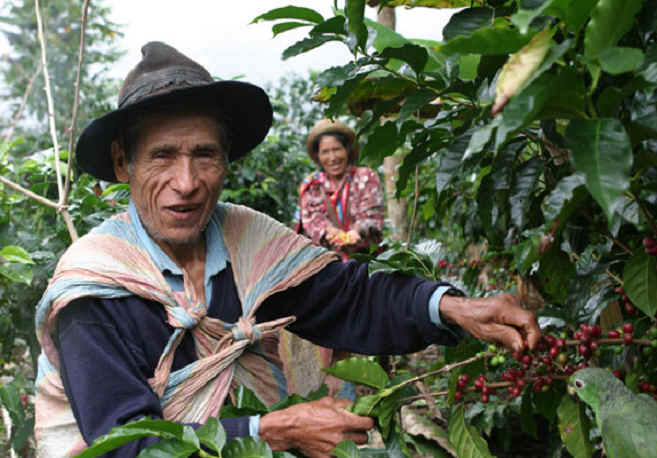
Peru’s coffee is overwhelmingly produced by smallholder farmers, with around 98% of plantations located within forested areas. Most growers cultivate traditional Latin American varieties such as Typica, Caturra, Bourbon, Catuai, and Pache. Due to remote locations and limited resources, many producers operate organically by default, although full organic certification remains rare.
Production has risen steadily since the 1970s—from approximately 900,000 bags per year to around 1.3 million. Government control once dominated exports, but today private exporter associations enforce quality standards and help elevate market perception. The focus on sustainable, high-altitude cultivation continues to draw interest from specialty roasters seeking consistent, reliable origins with understated elegance.
What Is Maca Coffee—and How Is It Different From Peruvian Coffee?
Maca coffee is not a type of Peruvian coffee, though the names are sometimes conflated. It’s a fortified beverage that combines traditional coffee with extracts from maca root (Lepidium meyenii), a high-altitude Andean plant known for its energizing properties. Maca grows above 4,000 meters in harsh conditions with extreme temperature swings and poor oxygen levels. It’s cultivated in seven-year rotations and is considered a rare, nutrient-dense superfood.
Commercial maca coffee products often mix instant coffee powder, maca extract, and non-dairy creamer—rather than using actual Peruvian coffee beans. While maca may offer a stimulating boost, it is not a coffee origin and does not reflect the flavor or farming practices of genuine Peruvian coffee. If you’re after the nuanced cup profile of Peruvian beans, maca coffee is not a substitute.
Recommended Single Origin: PeruFTOSOLYCAFE
This particular Peruvian offering comes from the Cajamarca region, grown between 1,800–2,000 meters. Produced by the Cooperativa Solar cooperative using washed processing, the lot includes Typica, Caturra, Bourbon, and Catuai varieties. The cup presents classic notes of nuts, caramel, and creamy finish—ideal for filter or light espresso preparation. It exemplifies the balanced, low-acidity style that has made Peruvian coffee a favorite in blends and single-origin offerings alike.
Frequently Asked Questions
Where is Peruvian coffee mainly grown?
Most Peruvian coffee is grown in the eastern Andean foothills at elevations between 1,300–1,850 meters, with some premium lots reaching 2,000 meters. Key regions include Chanchamayo, Cuzco, Puno, and Norte.
What does Peruvian coffee taste like?
Peruvian coffee typically features a soft acidity, medium body, and clean, sweet flavors such as nuts, caramel, and cream. It’s known for its smooth, balanced cup profile.
Is most Peruvian coffee organic?
While not always certified, a significant portion of Peruvian coffee is effectively organic due to smallholder farmers lacking access to chemical inputs. Many farms operate shade-grown, low-input systems by necessity.
What’s the difference between Peruvian coffee and maca coffee?
Peruvian coffee is a brewed beverage from Coffea arabica beans grown in Peru. Maca coffee is a blended drink combining regular coffee with maca root extract, which is an Andean herbal supplement—not a coffee origin.
What altitude is ideal for Peruvian coffee?
The best Peruvian coffee is grown at 1,300–1,850 meters, with top lots reaching up to 2,000 meters. Higher altitudes slow ripening, increasing sugar development and flavor complexity.
Which regions in Peru produce the best coffee?
The most renowned Peruvian coffee regions are Chanchamayo and Cuzco, known for high-quality, often organic beans with distinct cup profiles. Puno and Norte also produce notable lots.
FrontStreet Beans Similar to Peruvian Profiles
For fans of Peruvian coffee’s clean, balanced profile, try our FrontStreet Colombia Huila Excelso—offering bright citrus and almond notes with a silky body. Also consider FrontStreet Ethiopia Yirgacheffe Kochere for floral elegance with similar sweetness. Both showcase the kind of clarity and nuance often found in Peruvian single origins. Freshly roasted within 5 days · Orders placed before 17:00 ship the same day · Next-day delivery across most of Guangdong Province.
FrontStreet Coffee is a long-established specialty coffee roaster in Guangzhou China, selling freshly roasted beans from its own farm in Yunnan as well as dozens of carefully selected single-origin beans from around the world for both pour-over and espresso. The products deliver consistently excellent quality and great value, with shipping within 24 hours. Guangzhou's FrontStreet Coffee shop is recommended by many coffee lovers, and the beans are now available online at the Tmall 。
Important Notice :
前街咖啡 FrontStreet Coffee has moved to new addredd:
FrontStreet Coffee Address: 315,Donghua East Road,GuangZhou
Tel:020 38364473