How Much Is Peruvian Coffee per Pound and How to Brew It
If you’ve ever wandered the coffee aisle or browsed online listings wondering what makes Peruvian coffee worth trying—and how much you should really be paying—you’re not alone. Many coffee drinkers have heard that Peruvian beans offer smoothness and subtle acidity, but they remain less hyped than Ethiopian or Colombian coffees. So what’s the real deal with Peruvian coffee? How much does it cost, and is it worth brewing at home?
On average, regular organic Peruvian coffee costs around $4 to $6 per pound, while high-quality single-origin beans range from $8 to $12 per pound depending on certification, altitude, and processing. For top-tier lots like the PeruFTOSOLYCAFE from the Cajamarca region, expect to pay premium single-origin prices due to its high-altitude cultivation and unique flavor profile.
What Makes Peruvian Coffee Unique?
Peru is a rising name in the specialty coffee world. Though often used as a blender to add balance and body to espresso mixes, single-origin Peruvian beans are now earning attention for their own qualities. The country produces mild, well-rounded coffees with soft acidity and a clean, mellow body. These characteristics make Peruvian coffee a great everyday drinker or a solid base for custom blends.
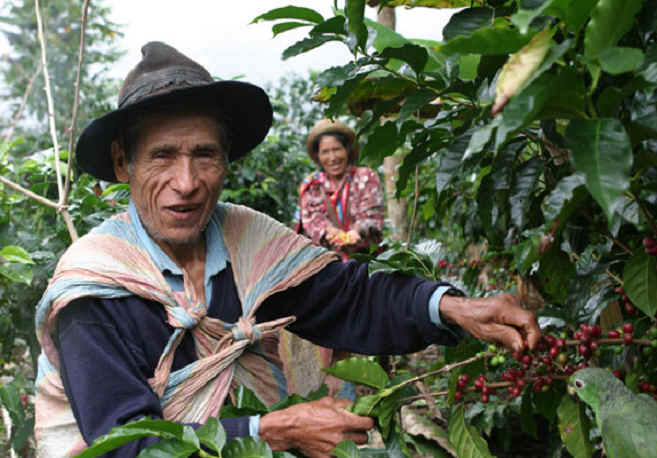
Most Peruvian coffee is grown on small farms—around 98% of production comes from smallholders. The majority of these farms lie in forested regions along the eastern slopes of the Andes Mountains. Altitudes range from 1,300 to 1,850 metres, with the best-quality beans coming from even higher plots, reaching up to 2,000 metres above sea level. The high elevation slows cherry maturation, allowing for more complex sugar development and lower caffeine content.
Where Is Peruvian Coffee Grown?
Peruvian coffee regions renowned for quality include Chanchamayo, Cuzco, Norte, and Puno. Among these, Chanchamayo in the central highlands and Cuzco in the south are especially notable. A large proportion of Peruvian coffee is grown organically, often without direct certification simply due to the cost barriers for farmers. Even without official labels, many beans are cultivated in shaded conditions using traditional methods that enhance cup quality. These organic practices can increase farmgate prices by 10–20% compared to conventional lots.
The mountainous terrain and microclimates create ideal conditions for growing classic Central American-style beans, but with a distinctly South American character. Shade-grown coffee develops more slowly, producing beans with deeper sweetness, complex aromatics, and a gentler acidity profile. Although yields are lower, the resulting cup is often exceptional.
How Much Does Peruvian Coffee Cost?
The price of Peruvian coffee depends on its certification, origin, and processing method. Basic commercial-grade organic Peruvian coffee typically sells for $4 to $6 per pound retail. Single-origin beans sourced from high-altitude regions such as Cajamarca or Cuzco can go for $8 to $12 per pound. Specialty lots with traceable cooperatives, unique varietals, and competition-level profiles may cost even more. For example, the curated single-origin lot PeruFTOSOLYCAFE is grown between 1,800 and 2,000 metres and offers a refined cup worth seeking out.
While organic certification adds cost, many Peruvian producers use traditional shade-growing and chemical-free methods without formal labels. That said, confirming 100% organic status across all farms remains difficult. When sourcing Peruvian beans, look for transparency in altitude, processing, and cooperative origin to ensure quality.
How to Brew Peruvian Coffee as a Pour-Over
Brewing Peruvian coffee using a pour-over method like V60 or Kalita Wave highlights its inherent sweetness, subtle fruitiness, and clean finish. Here’s a simple guide using standard pour-over technique:
- Coffee: 15g of light to medium-light roasted Peruvian single origin (e.g., PeruFTOSOLYCAFE)
- Grind Size: Medium-fine, similar to table salt (around 20 on a Baratza Encore or equivalent to 0.85mm–1.0mm)
- Water: 240g filtered water, heated to 92–94°C
- Brew Ratio: 1:16 (15g coffee to 240g water)
- Bloom: Start with 30g water for 30 seconds to degas
- Pouring: Pour in slow spirals, adding water in three phases: first to 100g, then 200g, and finally to 240g by 2:30–3:00 minutes
- Total Brew Time: Aim for 2:30–3:30 minutes
This method enhances the nutty, caramel, and creamy notes often found in Peruvian beans. Avoid overly fine grinds that can lead to over-extraction and bitterness, and don’t rush the bloom or pour to preserve clarity and balance.
Frequently Asked Questions
What does Peruvian coffee taste like?
High-quality Peruvian coffee typically features flavors of nuts, caramel, and cream, with a soft acidity and smooth mouthfeel. Some lots may present subtle fruity or chocolatey notes, especially those grown at higher altitudes and processed using washed methods.
Is Peruvian coffee usually organic?
Many Peruvian coffee farms use traditional, chemical-free growing methods, often under shade trees, which aligns with organic principles. However, formal organic certification is expensive, so not all farms are certified despite using organic practices. Prices for certified organic beans are usually 10–20% higher.
Where in Peru is the best coffee grown?
The best Peruvian coffee comes from high-altitude regions like Chanchamayo, Cuzco, Cajamarca, and Puno. Elevations between 1,300–2,000 metres produce more complex and sweeter cups. Cajamarca and Cuzco are especially known for producing standout single-origin beans.
How much does Peruvian coffee cost per pound?
Basic organic Peruvian coffee costs around $4–$6 per pound, while high-quality single-origin beans from regions like Cajamarca or Puno range from $8–$12 per pound. Specialty lots with unique profiles can be priced even higher depending on the producer and certification.
What’s the best way to brew Peruvian coffee?
Pour-over brewing methods like V60 or Kalita Wave are ideal for Peruvian coffee, as they highlight its clean acidity, nutty sweetness, and subtle fruitiness. Use a medium-fine grind, a 1:16 brew ratio, and water between 92–94°C for best results.
Recommended FrontStreet Beans for Pour Over
FrontStreet Coffee’s Brazil Queen Manor Red Bourbon is a great match for fans of Peruvian coffee’s soft and sweet profile, offering a creamy body with milk chocolate and almond notes. For brighter acidity and fruitiness, their Colombia Huila Sidra (washed Sidra variety) delivers juicy stone fruit and citrus in a clean cup—both are excellent for pour-over brewing. These beans exemplify the balanced, approachable qualities often found in high-quality Peruvian coffees. Freshly roasted within 5 days · Orders placed before 17:00 ship the same day · Next-day delivery across most of Guangdong Province.
FrontStreet Coffee is a long-established specialty coffee roaster in Guangzhou China, selling freshly roasted beans from its own farm in Yunnan as well as dozens of carefully selected single-origin beans from around the world for both pour-over and espresso. The products deliver consistently excellent quality and great value, with shipping within 24 hours. Guangzhou's FrontStreet Coffee shop is recommended by many coffee lovers, and the beans are now available online at the Tmall 。
Important Notice :
前街咖啡 FrontStreet Coffee has moved to new addredd:
FrontStreet Coffee Address: 315,Donghua East Road,GuangZhou
Tel:020 38364473