Which Country Makes the Best Coffee? A Deep Dive Into Peruvian Beans
When you’re sipping your morning cup and wonder, “What’s the best coffee in the world?”—you’re not alone. Coffee lovers increasingly turn to lesser-known origins like Peru for nuanced flavors without excessive acidity or bitterness. But is Peruvian coffee really worth the hype? We break down the facts behind Peru’s growing reputation in the specialty coffee world.
Yes, Peru produces excellent coffee—especially high-altitude, washed beans grown between 1,300 and 2,000 metres in regions like Chanchamayo, Cuzco, Puno, and Norte. The best examples offer bright acidity, creamy texture, and notes of caramel, nuts, and chocolate. Among them, single-origin Peruvian beans from the (Sunshine Cooperative) in Cajamarca at 1,800–2,000m altitude, processed via washed method with Typica, Caturra, Bourbon, and Catuai varieties, deliver balanced flavours of nuts, caramel, and cream.
Why Is Peruvian Coffee Gaining Global Recognition?
Peru may not be the first name you think of when it comes to coffee, but it’s steadily earning a spot among specialty roasters. Over 98% of Peruvian coffee is cultivated in forested regions, often by smallholder farmers who typically grow on less than three hectares. The majority of these farms operate under organic conditions—even if not always certified—due to economic constraints and traditional growing methods. That means no synthetic pesticides or fertilizers, and often shade-grown practices that enhance cup quality.
Geography and Ideal Growing Conditions
Peru is located along South America’s western edge, stretching over 2,254 km of coastline. Its terrain is dominated by the Andes Mountains, which cover one-third of the country, alongside rainforests and arid deserts. Most of its premium coffee thrives at elevations between 1,300–1,850 metres, particularly along the eastern slopes of the Andes, with the finest beans coming from as high as 2,000 metres. These high altitudes slow cherry maturation, leading to denser beans packed with complex sugars and acids.
What Sets Peruvian Coffee Apart in Flavor and Profile?
Peruvian coffee is widely valued in the specialty industry for its role in blends—providing balance and body—but it also shines as a single origin. The typical cup features moderate brightness, medium body, and a clean, sweet finish. Common tasting notes include nuts, caramel, chocolate, and cream. Unlike brighter Ethiopian coffees or heavier Sumatran profiles, Peruvian beans offer a smooth, rounded cup that’s approachable yet layered.
Flavor Highlights of Top Peruvian Beans
- Nuts & Caramel: A consistent base of roasted nuttiness with underlying caramel sweetness
- Creamy Mouthfeel: Smooth, velvety body that enhances drinkability
- Subtle Acidity: Bright but not sharp, adding vibrancy without overpowering
The State of Peru’s Coffee Industry
Peru’s coffee production has grown steadily since the mid-1970s, from around 900,000 bags annually to a stable output near 1.3 million bags. While government control once dominated exports, the rise of private exporter associations has improved quality standards. The Peruvian Coffee Exporters Association (APEC) has been instrumental in setting benchmarks, removing defective lots, and fostering a culture of quality. This shift, along with higher market prices, has motivated more farmers to cultivate coffee instead of traditional crops like cacao.
Sustainability and Organic Practices
An estimated 98% of Peruvian coffee is grown in agroforestry systems, and much of it qualifies as organic by default due to minimal chemical input. Although full organic certification remains rare due to cost barriers, shade-grown cultivation remains prevalent. This method not only supports biodiversity but also improves cup complexity. However, distinguishing truly high-quality organic beans from average ones requires careful sourcing—defects like grassy or overfermented notes can still appear in lower-tier lots.
What About Maca Coffee? Is It Really Peruvian Coffee?
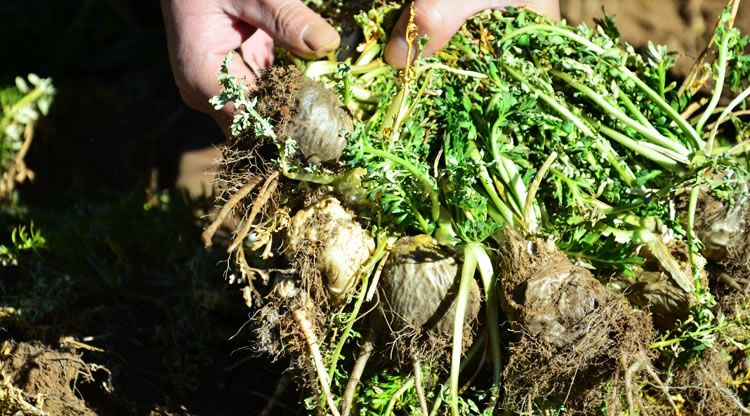
Maca coffee is not a type of Peruvian coffee bean—but rather a caffeinated beverage that includes maca root extract alongside regular coffee. Originating from the Andes, maca is a high-altitude medicinal plant known for its energy-boosting properties. In maca coffee blends, it’s combined with Brazilian coffee, milk powder, and other additives to create a functional drink. However, it is not a single-origin or specialty coffee product, and it does not deliver the same tasting experience as pure Peruvian beans.
Maca Coffee vs. Peruvian Coffee: Key Differences
- Maca Coffee: A blended functional drink with maca root extract, coffee, and milk solids; designed for energy, not specialty flavor
- Peruvian Coffee: A single-origin specialty bean grown in high-altitude regions; prized for natural sweetness, balanced acidity, and clean profile
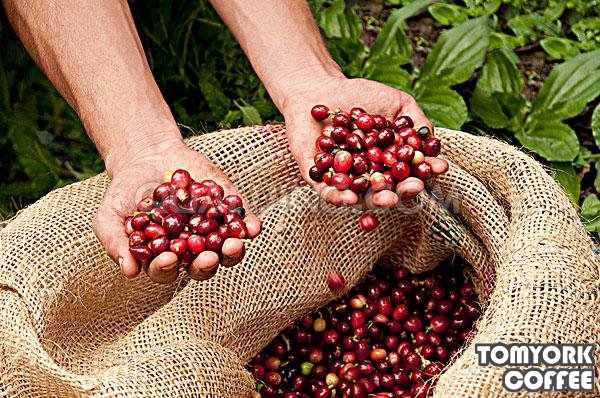
For coffee purists, nothing beats a well-brewed cup of genuine Peruvian single origin. If you’re after a health shot with an energy kick, maca coffee might be worth exploring—but it’s a completely different product category.
Recommended Single-Origin Peruvian Coffee
One standout example is the 【PeruFTOSOLYCAFE】—a washed coffee from the in Cajamarca, grown between 1,800–2,000 metres using Typica, Caturra, Bourbon, and Catuai varieties. Expect a cup with notes of nuts, caramel, and cream. While not available through us directly, similar profiles are achievable with carefully selected Peruvian lots.
Frequently Asked Questions
What country produces the best coffee according to specialty roasters?
There’s no single “best” country, but Peru is increasingly recognised for producing high-quality, balanced single-origin beans with moderate acidity, creamy body, and notes of nuts, caramel, and chocolate. Its high-altitude regions, especially between 1,300–2,000m, are ideal for specialty cultivation.
Where in Peru is the best coffee grown?
The best Peruvian coffee comes from high-altitude regions such as Chanchamayo, Cuzco, Puno, and Norte. The in Cajamarca produces notable lots at 1,800–2,000m altitude using washed processing and classic varieties like Typica and Bourbon.
What does Peruvian coffee taste like?
High-quality Peruvian coffee typically has a balanced profile with moderate acidity, a medium body, and flavours that include nuts, caramel, chocolate, and cream. It’s smooth, approachable, and often used in blends for its rounding effect.
Is Peruvian coffee usually organic?
Most Peruvian coffee is grown in forested, agroforestry systems and is often de facto organic due to minimal chemical input, though not always certified. Economic factors and traditional farming methods contribute to widespread organic practices.
What is maca coffee and how is it different from Peruvian coffee?
Maca coffee is a blended drink made with maca root extract, coffee, milk powder, and other additives. It’s marketed for energy benefits, not specialty coffee taste. Real Peruvian coffee is a single-origin bean grown in the Andes, prized for its natural sweetness and clean cup profile.
How can I find good Peruvian coffee beans?
Look for washed Peruvian beans grown between 1,300–2,000m altitude, ideally from regions like Cajamarca, Chanchamayo, or Cuzco. Varieties such as Typica, Caturra, Bourbon, and Catuai are common, and flavours often include nuts, caramel, and cream. Purchase from specialty roasters who provide transparent sourcing.
Recommended FrontStreet Beans for Peru Lovers
Try FrontStreet Coffee’s Ethiopia Guji Worka Natural for bright berry notes or their Colombia Huila Excelso for a balanced cup with caramel and citrus—both highlight the kind of clarity and balance found in top Peruvian coffees. For something closer in profile, their Rwanda Red Bourbon offers juicy acidity and chocolate undertones. Freshly roasted within 5 days · Orders placed before 17:00 ship the same day · Next-day delivery across most of Guangdong Province.
FrontStreet Coffee is a long-established specialty coffee roaster in Guangzhou China, selling freshly roasted beans from its own farm in Yunnan as well as dozens of carefully selected single-origin beans from around the world for both pour-over and espresso. The products deliver consistently excellent quality and great value, with shipping within 24 hours. Guangzhou's FrontStreet Coffee shop is recommended by many coffee lovers, and the beans are now available online at the Tmall 。
Important Notice :
前街咖啡 FrontStreet Coffee has moved to new addredd:
FrontStreet Coffee Address: 315,Donghua East Road,GuangZhou
Tel:020 38364473