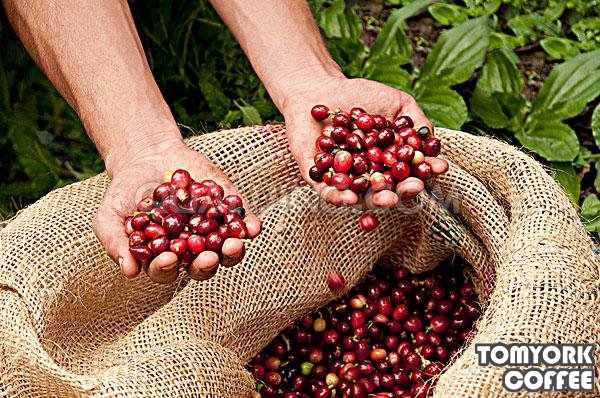
Where Is Peru's SHB Coffee Grown? Regional Breakdown
Looking for the best Peruvian coffee? You're not alone. As specialty coffee drinkers expand beyond Ethiopia, Colombia, and Central America, Peru has quietly emerged as a consistent source of well-balanced, high-altitude beans. But with dozens of growing areas spread across the Andes, knowing where your beans come from can mean the difference between ordinary and exceptional.
Peru’s highest-quality coffee is grown primarily in four regions: Chanchamayo, Cuzco, Norte, and Puno—especially the first two. Most of the country’s top coffee is cultivated between 1,300 and 2,000 metres above sea level, with many farms reaching up to 2,000m in elevation.
Where in Peru Is Coffee Actually Grown?
Peru is located on the western edge of South America, stretching 2,254 km along the Pacific coast. Over a third of the country is covered by the Andes mountains, while other regions include tropical rainforests, dry deserts, and unique hilly terrains. The vast majority of coffee is grown on the eastern slopes of the Andes, typically between 1,300 and 1,850 metres above sea level—with premium lots reaching up to 2,000m.
Nearly all (98%) of Peru’s coffee is cultivated in forested zones, and the sector is dominated by smallholder farmers. These producers typically work on tiny plots, which helps preserve traditional practices but also limits mechanisation and large-scale processing.
Top Coffee-Growing Regions in Peru
The finest Peruvian coffee comes from four main areas:
- Chanchamayo: Located in central Peru, this region is one of the country’s most renowned coffee zones. Its high altitudes and fertile soils produce bright, balanced cups.
- Cuzco: Situated in southern Peru, Cuzco is known for its distinctive, often organic, beans with complex profiles. It shares the spotlight with Chanchamayo as the country’s most famous origin.
- Norte (Northern Highlands): This area contributes a range of profiles thanks to varied microclimates, though it’s less internationally prominent than the central and southern zones.
- Puno: Bordering Lake Titicaca and sitting at some of Peru’s highest elevations, Puno produces hardy, high-grown coffees with notable density and sweetness.
How Altitude and Farming Shape Peruvian Coffee Flavor
Most premium Peruvian coffee grows in shade, a practice that slows ripening and enhances cup complexity. Shaded cultivation doesn’t boost yield, but it does increase levels of natural sugars, acids, and aromatic compounds—resulting in lower caffeine content and more refined flavours. These organic, shade-grown beans often command 10–20% higher market prices.
Shade farming is common out of necessity as much as choice: many smallholders cannot afford chemical inputs, and certification as organic is difficult to verify farm by farm. Yet the unintentional result is often a cup that resembles traditional organic practices: complex, clean, and low in defects.
The typical Peruvian coffee profile includes a soft acidity, medium body, and balanced flavours. It’s known for being easy to drink yet layered—making it a staple in espresso blends and single-origin pour-overs alike. Premium examples exhibit notes of caramel, nuts, and milk chocolate, with delicate fruit or floral undertones.
The Market and Quality Movement in Peruvian Coffee
In the 1970s, Peru produced around 900,000 60kg bags of coffee annually. By the 2000s, that number had stabilised at roughly 1.3 million bags. For decades, the state controlled most exports, but in time private exporters and the Peruvian Coffee Exporters Association stepped in. Their focus on quality control—setting standards and removing defective lots—helped shift the industry toward a premium model.
This shift, combined with rising global prices, encouraged farmers to grow coffee instead of the region’s more traditional crop: cacao. Improved organisation and planning have significantly boosted yields without sacrificing cup quality.
Peruvian coffee is often described as having the brightness of Central American beans wrapped in South American structure. Well-grown examples balance fruity and floral qualities with deep sweetness and a rounded mouthfeel. Avoiding over-processing or mismanagement is key to maintaining these traits—but when done right, Peruvian beans offer both clarity and depth.
What About Maca Coffee?
Beware of “Maca Coffee”—a beverage that blends maca root extract (from the high-altitude Andean plant Lepidium meyenii) with coffee and other additives like non-dairy creamer. While maca is a real, nutrient-dense superfood grown above 4,000m in Peru, Maca Coffee is not a coffee product in the traditional sense. It may offer energy benefits, but it’s not representative of genuine Peruvian coffee. Make sure you’re buying actual Peruvian beans, not a maca-infused instant drink.
Frequently Asked Questions
Which regions in Peru produce the best specialty coffee?
The best-known and most consistently high-quality coffee regions in Peru are Chanchamayo and Cuzco. These areas, along with Norte and Puno, sit at elevations between 1,300 and 2,000 metres, with many farms reaching up to 2,000m. Chanchamayo and Cuzco are especially recognised for producing well-structured, aromatic, and balanced beans, often cultivated under shade and following organic practices.
What altitude is Peruvian coffee grown at?
Peruvian coffee is typically grown between 1,300 and 1,850 metres above sea level, with premium lots cultivated up to 2,000 metres. Higher elevations contribute to slower maturation, increased sugar development, and more complex cup profiles.
Is most Peruvian coffee organic?
While not all Peruvian coffee is certified organic, a significant portion is grown organically by default. Many smallholder farmers can’t afford chemical fertilisers or pesticides, and most coffee is cultivated in shade under natural forest canopies. Organic Peruvian coffee often fetches 10–20% higher prices, though full certification remains rare at the farm level.
What does Peruvian coffee taste like?
High-quality Peruvian coffee typically features a soft acidity, medium body, and a balanced flavour profile. Common tasting notes include nuts, caramel, chocolate, and sometimes subtle fruit or floral hints. It’s known for being smooth, approachable, and versatile—well-suited for both filter and espresso brewing.
What is Maca Coffee?
Maca Coffee is a blended beverage made with maca root extract (from the Andes plant Lepidium meyenii), coffee, and often non-dairy creamer or other additives. It is not a true single-origin or specialty coffee product. Real Peruvian coffee refers to beans grown in regions like Chanchamayo or Cuzco, not a maca-infused drink.
Who produces coffee in Peru?
Nearly all of Peru’s coffee is grown by smallholder farmers, with around 98% cultivated in forested areas. These producers typically operate on small plots and often use traditional, shade-grown methods. The sector is dominated by numerous tiny farms rather than large estates.
Recommended FrontStreet Beans from High-Altitude Origins
For a taste of clean, balanced high-altitude coffee similar to Peru’s best, try FrontStreet’s Brazil Queen Manor (Yellow Bourbon from high-altitude São Paulo), known for its rich sweetness and creamy texture. Or explore the FrontStreet Kenya Little Tomato (SL28/SL34), offering bright acidity and bold fruit notes—great for contrast. Both beans highlight how altitude and careful farming shape complex cup profiles, much like top Peruvian lots. Freshly roasted within 5 days · Orders placed before 17:00 ship the same day · Next-day delivery across most of Guangdong Province.
FrontStreet Coffee is a long-established specialty coffee roaster in Guangzhou China, selling freshly roasted beans from its own farm in Yunnan as well as dozens of carefully selected single-origin beans from around the world for both pour-over and espresso. The products deliver consistently excellent quality and great value, with shipping within 24 hours. Guangzhou's FrontStreet Coffee shop is recommended by many coffee lovers, and the beans are now available online at the Tmall 。
Important Notice :
前街咖啡 FrontStreet Coffee has moved to new addredd:
FrontStreet Coffee Address: 315,Donghua East Road,GuangZhou
Tel:020 38364473