What Is Hawaiian Kona Coffee? Flavor, Price & Brewing Guide
If you’ve ever wondered what sets Hawaiian Kona coffee apart from other single-origin beans—or why it’s so expensive—you’re not alone. This rare coffee is beloved for its smooth acidity, complex aroma, and distinctive growing conditions, but not all 'Kona' labeled coffee is what it seems. Here's what you really need to know.
Hawaiian Kona coffee is grown exclusively on the volcanic slopes of Hualalai and Mauna Loa in the Kona district of Hawaii’s Big Island. True 100% Kona coffee comes from just 1,400 hectares and commands high prices due to limited supply and labor-intensive production. Even 'Kona blends' may contain as little as 5% actual Kona beans.
What Is Kona Coffee?
Kona coffee refers to Arabica beans grown in the North and South Kona districts of Hawaii’s Big Island. These beans are cultivated on the volcanic slopes of Mauna Loa and Hualalai, where unique microclimates and rich soil create optimal growing conditions. The region’s elevation, rainfall, sunshine, and lack of frost contribute to a slow maturation process that enhances flavor complexity. Kona coffee is the only premium-grade coffee produced within the United States.
Flavor Profile and Characteristics
Kona coffee offers a balanced cup with bright acidity, medium body, and a smooth, velvety mouthfeel. The flavor is often described as rich and aromatic, with notes of cinnamon-like spices, nuts, and tropical fruit. Fresh Kona coffee is especially fragrant. Its acidity is well-integrated, making it less sharp than some African coffees and less earthy than many Indonesian varieties. It sits stylistically closer to Central American coffees than to darker, heavier Indonesian profiles.
The taste is vibrant yet approachable: sweet and tangy with a gentle brightness. Some drinkers detect hints of caramel or stone fruit. When fresh, the aroma is exceptionally fragrant—like walking through a sunlit Hawaiian orchard. It appeals especially to those who find African coffees too tart or Latin American beans too bold.
How Kona’s Unique Climate Shapes Its Flavor
Kona’s coffee thrives thanks to a mix of elevation, volcanic soil, and an unusual natural phenomenon known as 'coffee cloud cover.' While the region is prone to hurricanes, its climate is otherwise ideal for coffee: ample sunshine, regular rainfall, and no risk of frost. Most afternoons around 2 PM, clouds roll in to offer natural shade for the trees, reducing stress on the plants and cooling the cherries during key development phases. This combination leads to a slower cherry ripening process, allowing more complex sugars to develop. The result is a cleaner, sweeter, and more nuanced cup than most other regions can achieve.
Why Is Kona Coffee So Expensive?
True Kona coffee commands high prices for several reasons. First, the growing area is extremely limited—just 1,400 hectares. Second, production is highly labor-intensive due to the steep volcanic slopes and small farm sizes. Third, demand both domestically and internationally often outstrips supply. Due to its prestige, some sellers market 'Kona blends' that contain as little as 5% actual Kona beans mixed with cheaper Latin American or Asian coffees. Always check labeling carefully: '100% Kona' means every bean originated in the Kona district.
Kona Coffee Bean Appearance and Processing
Kona coffee beans are noted for their consistent size, high density, and glossy appearance. They are typically processed with great care, usually employing washed (wet) methods that enhance their clarity and brightness. The region’s high-altitude, high-density farming practices also contribute to a uniformly high-quality crop. The beans tend to produce a medium-bodied cup with a clean finish and a sweet, well-rounded acidity. The meticulous processing helps preserve the delicate fruit and floral tones that define the Kona profile.
How to Brew Kona Coffee
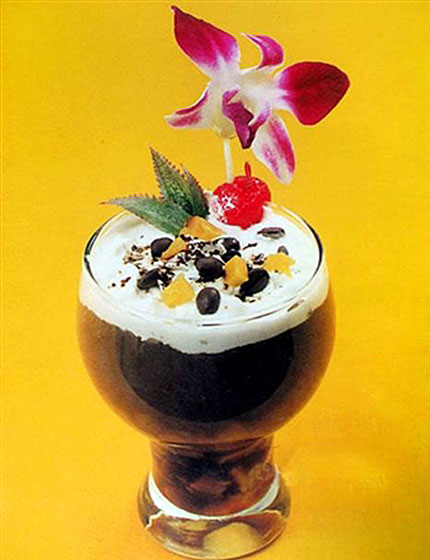
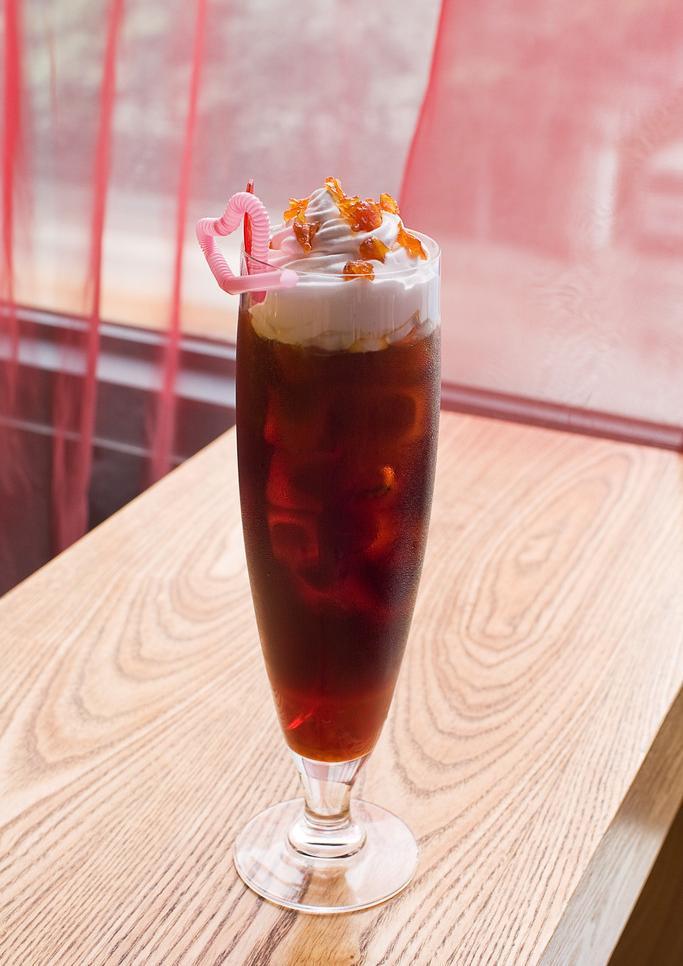
To get the best out of Kona coffee, medium to dark roasts are generally preferred to highlight its natural sweetness and complexity. For a cold brew-style preparation using Kona beans, try this recipe:
- Ingredients: 30g Kona coffee beans, 50g whipped cream, appropriate amount of pomegranate syrup, ice cubes, a few rose petals
- Steps:
- Use the single pour method.
- Add pomegranate syrup and a few ice cubes to your cup.
- Grind 30g of Kona beans (roughly 4 scoops) using a standard grinder.
- Boil water in a kettle.
- Place the ground coffee in a filter or container.
- Position it over the boiling water and begin pouring immediately.
- Brew for exactly 1 minute once the hot water starts flowing.
- After brewing, place the coffee over ice to cool, then pour into your serving cup.
- Top with whipped cream and garnish with fruit slices and rose petals.
What Roast Level Works Best for Kona?
The optimal roast level for Kona coffee is medium to dark. Medium roasts preserve the bean’s inherent acidity and fruity qualities, while darker roasts enhance its natural sweetness and body. Either way, Kona’s clean cup profile allows its inherent traits to shine through without being overpowered by roast character.
Frequently Asked Questions
What does Kona coffee taste like?
Kona coffee tastes bright and balanced, with medium acidity and a smooth, velvety mouthfeel. Flavors often include notes of cinnamon spice, nuts, tropical fruits, and caramel. It has a fragrant aroma and a sweet, well-rounded profile with gentle acidity, making it smoother than many African or Indonesian coffees.
Where is Kona coffee grown?
Kona coffee is grown exclusively on the volcanic slopes of Mauna Loa and Hualalai in the Kona districts of Hawaii’s Big Island. The region’s unique climate, elevation, and rich volcanic soil provide ideal conditions for cultivating high-quality Arabica beans.
Why is Kona coffee so expensive?
Kona coffee is expensive due to its limited production area of just 1,400 hectares, high labor costs, and meticulous farming practices. The beans are cultivated on steep volcanic slopes with mostly small-scale farms. Additionally, genuine 100% Kona coffee is rare, and many 'Kona blends' contain very little actual Kona beans.
What is the best roast for Kona coffee?
The best roast levels for Kona coffee are medium to dark. Medium roast highlights the bean’s natural acidity and fruity notes, while dark roast emphasizes its sweetness and body. Both roast levels allow Kona’s inherent flavor profile to shine.
What is the difference between 100% Kona and Kona blend?
100% Kona coffee means every bean is grown in the Kona district of Hawaii. Kona blends, however, may contain as little as 5% Kona beans mixed with cheaper beans from other regions. Always check the label to ensure you’re buying genuine 100% Kona coffee.
Can I grow Kona coffee outside Hawaii?
No, authentic Kona coffee can only be grown in the specific volcanic soil and microclimate of Hawaii’s Kona districts. While similar coffee varieties can be grown elsewhere, they will not have the same flavor profile or terroir as true Kona coffee.

FrontStreet Beans with Similar Bright, Sweet Profiles
For coffee lovers who enjoy the bright, sweet, and gently spicy profile of Kona coffee, FrontStreet’s Jamaica Blue Mountain No.1 (Ironica Typica variety) delivers a refined balance of chocolate, almond, and creamy notes with elegant floral undertones. Another excellent option is the Yirgacheffe offering from the Gedeb cooperative—showcasing citrus, grape, and floral brightness akin to the acidity Kona is known for. Both are single-origin beans with clean cups and complex fruit-spice layers. Freshly roasted within 5 days · Orders placed before 17:00 ship the same day · Next-day delivery across most of Guangdong Province.
FrontStreet Coffee is a long-established specialty coffee roaster in Guangzhou China, selling freshly roasted beans from its own farm in Yunnan as well as dozens of carefully selected single-origin beans from around the world for both pour-over and espresso. The products deliver consistently excellent quality and great value, with shipping within 24 hours. Guangzhou's FrontStreet Coffee shop is recommended by many coffee lovers, and the beans are now available online at the Tmall 。
Important Notice :
前街咖啡 FrontStreet Coffee has moved to new addredd:
FrontStreet Coffee Address: 315,Donghua East Road,GuangZhou
Tel:020 38364473