Hawaiian Kona Coffee Beans: Flavor, Growing & Roast Guide
If you’ve ever wondered what makes Hawaiian-grown coffee so uniquely smooth and fragrant—or why Kona beans cost so much—you’re not alone. This article breaks down everything: from the volcanic slopes where Kona grows, to the exact climate conditions that shape its cup, to how you should roast and brew it for the best results.
Kona coffee comes exclusively from the North and South Kona districts on Hawaii’s Big Island, grown on the volcanic slopes of Mauna Loa. Only about 1,400 hectares produce true Kona beans, making it America’s only premium native coffee variety. Its balanced acidity, medium body, and spicy sweetness set it apart globally.
What Is Kona Coffee and What Makes It Special?
Kona coffee refers to beans grown in the Kona district of Hawaii’s Big Island. These beans are celebrated for their exceptionally plump, shiny cherries and complex flavor: rich, aromatic, with hints of cinnamon spice and a well-balanced moderate acidity. Unlike Indonesian coffees, Kona tastes more like high-quality Central American beans—clean, sweet, and approachable. Its brightness, smooth mouthfeel, and absence of excessive harshness have made it a favorite alternative for drinkers who find African coffees too tart or Latin American beans too bold.
The Unique Growing Environment of Kona Coffee
Kona coffee is cultivated on the volcanic slopes of Mauna Loa in the southwest of Hawaii’s Big Island. This region benefits from a rare combination of natural advantages: frequent afternoon cloud cover around 2 PM provides natural shade, reducing heat stress on the trees. The area enjoys abundant sunshine and rainfall without any risk of frost. These consistent, mild conditions allow for some of the highest yields of high-quality Arabica coffee in the world—without compromising cup quality. The volcanic soil is rich and well-drained, contributing to the beans’ complexity. However, these ideal conditions exist only on a limited area of approximately 1,400 hectares.
Flavor Profile, Roast Recommendations & Brewing
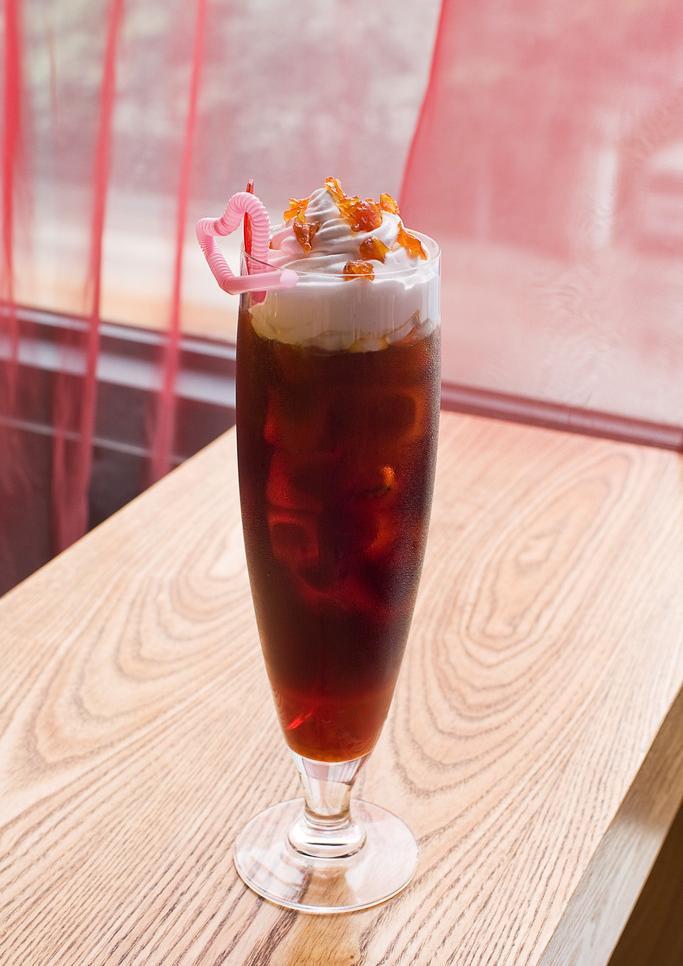
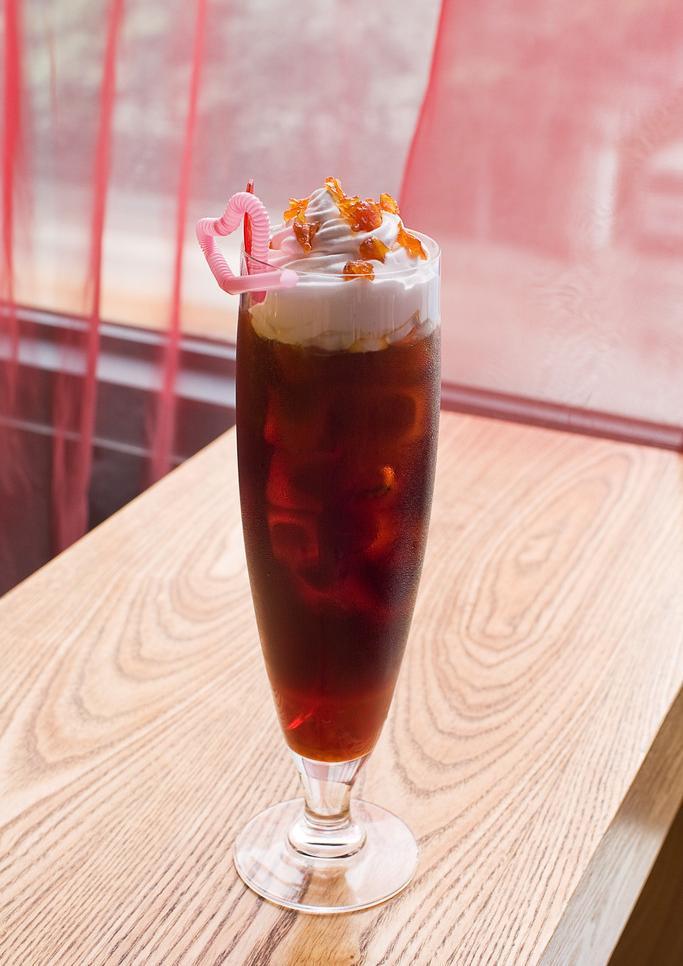
Kona coffee is known for its strong acidity, sweet undertones, and tropical fruit-like flavors. It shares similarities with Jamaican Blue Mountain but can present a slight bitterness on the finish, adding a mature, nuanced note. Its flavor is often described as smooth and rich with inviting nuttiness. For best results, Kona is ideally roasted to a medium to dark level. When brewed, it performs excellently as a single-origin coffee, typically sold in 100% pure 100g packs. A popular preparation includes a cold brew-style method using 30g of Kona beans, hot water, ice, a touch of pomegranate syrup, and finished with whipped cream and fresh garnishes.
Frequently Asked Questions
What does Kona coffee taste like?
Kona coffee features strong acidity paired with a sweet, tropical flavor profile. It is aromatic, smooth, and sometimes compared to Blue Mountain coffee, though it may have a slight bitterness in the finish. The overall impression is rich yet approachable, often with nutty undertones.
Where is Kona coffee grown?
Kona coffee is grown exclusively in the North and South Kona districts on the slopes of Mauna Loa volcano, on Hawaii’s Big Island. The growing area spans only about 1,400 hectares, making it a rare and geographically limited coffee.
What is the ideal roast level for Kona coffee?
The optimal roast level for Kona coffee is medium to dark. This range best highlights its natural sweetness, acidity, and complexity while balancing its inherent brightness.
How is the climate in Kona suited for coffee?
Kona’s climate offers abundant sunlight and rainfall, no frost, and unique afternoon cloud cover around 2 PM that acts as natural shade. These factors create stable, mild growing conditions ideal for high-quality Arabica production.
Why is Kona coffee so expensive?
Kona coffee is expensive due to its limited production area (only ~1,400 hectares), high labor costs in Hawaii, and strong tourist demand. Additionally, much of the “Kona blends” contain very little actual Kona bean (as low as 5%), further driving up prices for 100% Kona products.
What brewing methods work best for Kona coffee?
Kona shines as a single-origin brew. It performs well with pour-over, French press, and cold brew methods. A popular recipe involves brewing hot then cooling over ice with pomegranate syrup and topping with whipped cream. For best flavor, use medium to dark roasts and freshly ground beans.
Recommended FrontStreet Coffee for Kona Fans
If you enjoy the smooth, sweet complexity of Kona coffee, try FrontStreet Coffee’s Ethiopia Yirgacheffe for its bright acidity and floral notes, or the Colombia Huila for a balanced medium-body with caramel and citrus. Both offer single-origin clarity akin to Kona’s refined profile. Freshly roasted within 5 days · Orders placed before 17:00 ship the same day · Next-day delivery across most of Guangdong Province.
FrontStreet Coffee is a long-established specialty coffee roaster in Guangzhou China, selling freshly roasted beans from its own farm in Yunnan as well as dozens of carefully selected single-origin beans from around the world for both pour-over and espresso. The products deliver consistently excellent quality and great value, with shipping within 24 hours. Guangzhou's FrontStreet Coffee shop is recommended by many coffee lovers, and the beans are now available online at the Tmall 。
Important Notice :
前街咖啡 FrontStreet Coffee has moved to new addredd:
FrontStreet Coffee Address: 315,Donghua East Road,GuangZhou
Tel:020 38364473