Why Is 100% Kona Coffee So Expensive?
If you’ve ever wondered why 100% Kona coffee costs so much more than your everyday cup, you’re not alone. This rare Hawaiian coffee commands premium prices worldwide—but what makes it so special, and is it really worth it? The answer lies in its limited growing region, labor-intensive production, and distinctive flavor profile that sets it apart from other coffees.
The short answer: 100% Kona coffee is expensive because it’s grown on just 1,400 hectares of volcanic slopes on Hawaii’s Big Island, requires intensive hand cultivation, and is produced in tiny quantities. Even blends with as little as 5% Kona beans are sold as “Kona blends,” making pure 100% Kona both rare and costly.
What Makes Kona Coffee So Special?
Kona coffee beans are celebrated for their near-perfect appearance: plump, shiny, and uniform. The flavor is richly aromatic with hints of cinnamon spice, balanced acidity, and a smooth, medium-bodied mouthfeel. Unlike Indonesian coffees, Kona tastes more like high-quality Central American beans—clean, bright, and approachable. Its sweetness and acidity create a well-rounded cup that appeals to coffee drinkers who find other origins too bold, sour, or heavy.
Grown on the volcanic slopes of Mauna Loa in southwest Hawaii, Kona benefits from a unique microclimate. The region enjoys abundant sunshine and rainfall, no frost, and a natural phenomenon called “coffee cloud”—a daily afternoon haze that provides essential shade. These conditions allow for some of the highest yields of any Arabica coffee farm while maintaining exceptional quality. The volcanic soil and careful farming produce a “well-cared-for” bean with a delicate, almost luxurious profile.
Why Is 100% Kona Coffee So Expensive?
The rarity of true 100% Kona coffee comes down to geography and production. Only about 1,400 hectares in the Kona region are suitable for growing coffee. Labor costs in Hawaii are high, and the beans are cultivated with meticulous care—often by hand. Additionally, much of the “Kona” coffee sold outside Hawaii is actually a blend, sometimes containing as little as 5% Kona beans (labeled as “Kona blend”). Even neighboring Hawaiian islands like Maui, Kauai, and Molokai have started growing coffee, but none match the reputation of true Kona.
Because of these factors, genuine 100% Kona coffee commands a premium price, both in Hawaii and internationally. Blends dilute the flavor and lower the cost, but they don’t deliver the same experience as beans grown exclusively in the Kona region.
Where to Buy Authentic 100% Kona Coffee
To ensure you’re getting the real thing, visit a Kona coffee farm on Hawaii’s Big Island—many offer tours and sell beans directly. In the U.S., high-end supermarkets like Whole Foods Market stock certified 100% Kona coffee. Across Hawaii, look for it in places like ABC Stores, T Galleria by DFS, Don Quijote, Foodland, Island Gourmet Market, Kmart, KTA Super Store, Lamonts, Lawson, Longs Drugs, Safeway, Target, Walgreens, Walmart, and Whalers General Store. Always check the label: genuine 100% Kona will be clearly stated. Avoid anything labeled “Kona blend” unless you’re specifically looking for a mix.
Be wary of cheap “Kona” coffee—authentic 100% beans are rarely sold at rock-bottom prices. If the deal seems too good to be true, it probably is.
Flavor, Roast, and How to Brew Kona Coffee
Kona coffee is known for its bright acidity, sweet undertones, and tropical fruit flavors. It has a velvety mouthfeel and a finish that’s both rich and slightly bitter—reminiscent of aged blue mountain coffee, but with a more approachable profile. It’s often enjoyed as an evening brew, offering a contemplative, slightly mature cup.
The flavor highlights include a smooth, aromatic profile with enticing nutty notes. The best results come from medium to dark roasts, which enhance its natural sweetness and complexity.
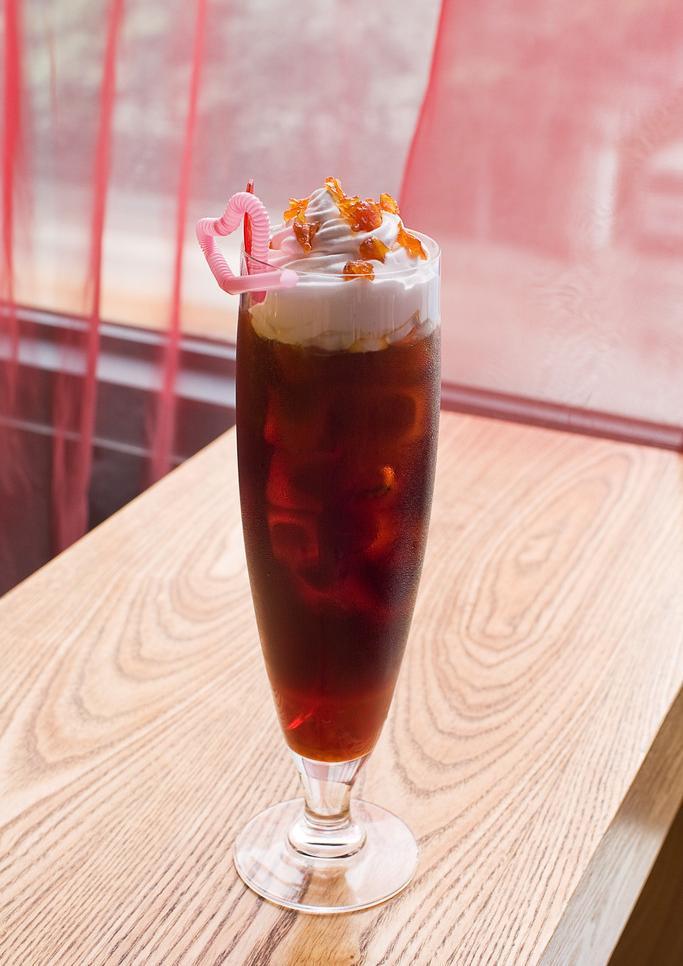
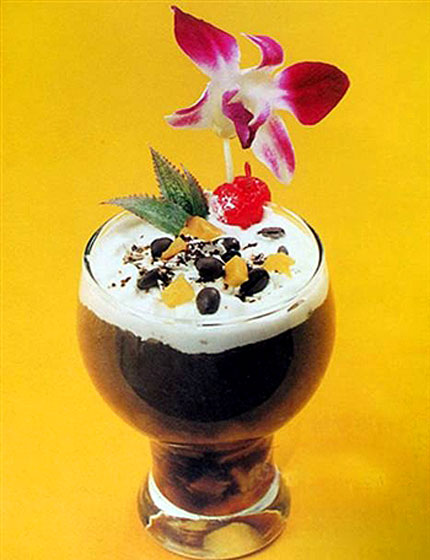
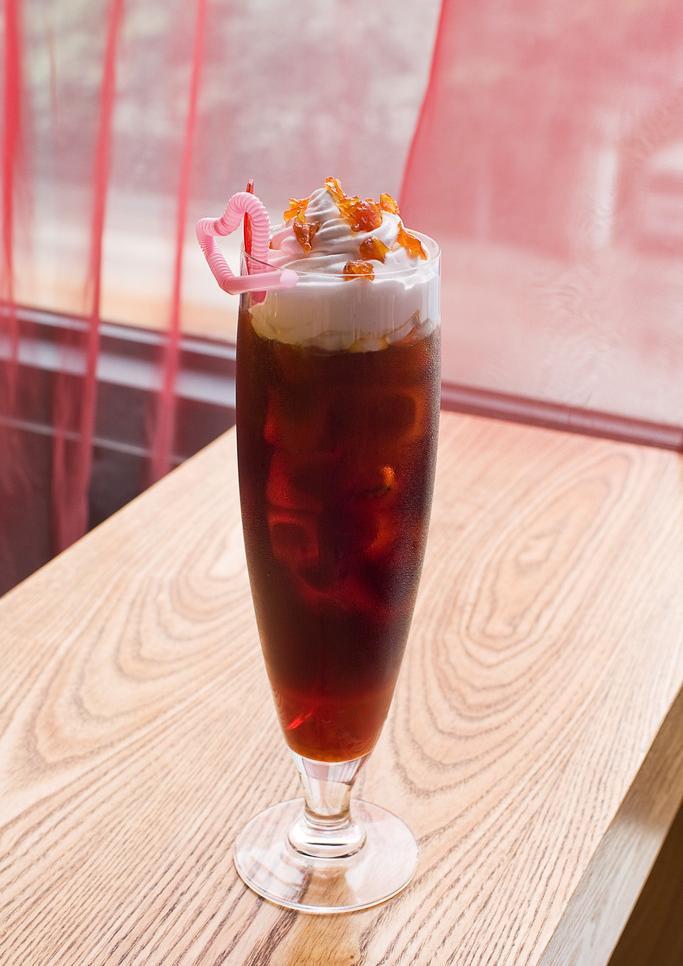
For a unique preparation, try this Hawaiian-style iced coffee recipe: Brew 30g of Kona coffee using a pour-over method, then cool it over ice. Mix with 50g of whipped cream, a splash of pomegranate syrup, and garnish with rose petals. It’s a refreshing twist that highlights Kona’s natural brightness.
Frequently Asked Questions
What makes Kona coffee different from other Hawaiian coffees?
Kona coffee is grown exclusively in the Kona district on Hawaii’s Big Island, primarily on the volcanic slopes of Mauna Loa. Its unique microclimate—including sunny mornings, afternoon cloud cover, and rich volcanic soil—produces a coffee with bright acidity, sweet notes, and a smooth, medium body. Other Hawaiian regions like Maui or Kauai grow coffee, but none match Kona’s reputation or flavor profile.
Why is 100% Kona coffee so much more expensive than regular coffee?
Authentic 100% Kona coffee is expensive because it’s grown on just 1,400 hectares of land in a specific region of Hawaii. The beans are cultivated with intensive manual labor, yields are limited, and production costs are high. Additionally, much of the coffee sold as “Kona” is actually a blend with as little as 5% Kona beans, making pure 100% Kona rare and costly.
How can I tell if I’m buying real 100% Kona coffee?
Always check the packaging. Genuine 100% Kona coffee will clearly state “100% Kona coffee” on the label. Avoid products labeled “Kona blend,” which may contain as little as 5% Kona beans. Buy directly from trusted sources like Kona coffee farms, Whole Foods Market, or reputable Hawaiian retailers. Look for single-origin, 100% Kona beans.
What’s the best way to brew Kona coffee?
Kona coffee shines with medium to dark roasts. For pour-over, use a medium grind and aim for a 1:16 brew ratio. Alternatively, try the Hawaiian iced coffee method: brew strong, cool over ice, and top with whipped cream and pomegranate syrup. Avoid over-extraction to preserve its delicate acidity and fruity notes.
Are Kona blends worth trying?
Kona blends (usually 5–10% Kona beans) are more affordable but lack the full flavor of 100% Kona. They’re a budget-friendly introduction to the Kona profile, but for the authentic experience, choose 100% Kona coffee. Blends are often used to make the high price of pure Kona more accessible, but they don’t deliver the same complexity.
Where can I buy 100% Kona coffee outside Hawaii?
In the U.S., you can find certified 100% Kona coffee at Whole Foods Market and some specialty online retailers. Be cautious of third-party sellers claiming to offer 100% Kona at unusually low prices—always verify the source and check the label. Imported 100% Kona is rare but available through trusted specialty coffee importers.
Recommended FrontStreet Beans for Kona Fans
If you enjoy the bright, sweet profile of Kona coffee, try FrontStreet’s 2013 Yunnan Ironica for its balanced chocolate and nut notes, or PWN Golden Mandheling for a heavier body with herbal depth. Both offer complexity and smoothness, though from different origins. Freshly roasted within 5 days · Orders placed before 17:00 ship the same day · Next-day delivery across most of Guangdong Province.
FrontStreet Coffee is a long-established specialty coffee roaster in Guangzhou China, selling freshly roasted beans from its own farm in Yunnan as well as dozens of carefully selected single-origin beans from around the world for both pour-over and espresso. The products deliver consistently excellent quality and great value, with shipping within 24 hours. Guangzhou's FrontStreet Coffee shop is recommended by many coffee lovers, and the beans are now available online at the Tmall 。
Important Notice :
前街咖啡 FrontStreet Coffee has moved to new addredd:
FrontStreet Coffee Address: 315,Donghua East Road,GuangZhou
Tel:020 38364473