Is Hawaiian Kona Coffee Overrated?
When coffee lovers hear "Kona," many picture a rare, flawless bean grown in paradise—rich, fragrant, and balanced. But is Kona coffee truly as exceptional as its reputation suggests, or is it more about the story than the cup? If you’ve ever wondered whether the praise is earned or exaggerated, you’re not alone.
No, Kona coffee isn’t inherently overrated—but its elite status is limited to genuine 100% Kona from the designated Kona region on Hawaii’s Big Island. Less than 1% of coffee sold as "Kona" is 100% pure; most is a low-percentage blend. The real thing is exceptional, but much of what’s marketed under the name isn’t.
What Is Kona Coffee, Really?
Kona coffee comes exclusively from the Kona district on the slopes of Mauna Loa volcano in Hawaii’s Big Island. The beans are celebrated for their glossy, unusually plump cherries and complex cup profile. Flavour notes include cinnamon spice, balanced acidity, medium body, and rich aromatics. Fresh Kona is known for intense fragrance, often compared to Central American coffees in style rather than Indonesian or Pacific-origin beans.
The growing conditions are close to ideal. The area enjoys frequent afternoon cloud cover around 2 PM, providing natural shade, along with steady rainfall, abundant sunshine, and no frost. These factors produce high yields of consistently good-quality Arabica. The volcanic soil and careful cultivation create what many describe as a “refined” cup—clean, aromatic, and smooth.
Why Do People Think It’s Overrated?
The issue isn’t the coffee itself, but how it’s sold. Only about 1,400 hectares are suitable for Kona production, and demand far outstrips supply. With high local living costs and heavy tourism, prices are steep—even for blends labeled as "Kona blend" that contain as little as 5% actual Kona beans. Some sellers market these diluted products at premium prices, leading to skepticism among experienced coffee drinkers.
Nearby islands like Maui, Kauai, and Molokai have begun growing coffee commercially, adding to the confusion. Plus, the term "Kona blend" is poorly regulated outside Hawaii, making it easy for misleading products to reach the market.
How to Buy Real Kona Coffee
To ensure you’re getting genuine 100% Kona coffee:
- Buy directly from farms during the Kona Coffee Cultural Festival or via trusted retailers.
- In the U.S., Whole Foods Market often stocks certified 100% Kona.
- Check labels carefully at supermarkets and convenience stores—common chains include ABC Stores, Foodland, Longs Drugs, Safeway, Walmart, and Target. Look for "100% Kona" to avoid 10% or lower blends.
Popular retail locations include KTA Superstore, Island Gourmet Market, Lamonts, and even pharmacies like Walgreens and CVS. Always verify the percentage on the package.
The Kona Coffee Cultural Festival
Held annually in November on Hawaii’s Big Island, the Kona Coffee Cultural Festival celebrates the region’s 180-year coffee heritage. The nearly 10-day event features over 40 activities across the Big Island and Oahu, including cuppings, farm tours, brewing competitions, and educational sessions. The 2015 festival ran from November 6 to 15, offering global visitors a chance to experience authentic Kona coffee firsthand.
The festival highlights the care behind Kona production and helps educate consumers on what distinguishes true Kona from imitations. It’s a great opportunity to taste the real thing and speak directly with farmers.
Flavour Profile & Brewing Notes
Kona coffee is known for its bright acidity, medium body, and sweet, spicy complexity. Common tasting notes include tropical fruit, nuts, and a gentle bitterness that adds depth without overpowering. The cup is often described as smooth and approachable, with a clean finish.
For best results, roast Kona beans to a medium to dark level. This enhances the inherent sweetness and balances the acidity. The coffee responds well to pour-over, French press, or drip methods that highlight its nuanced profile.
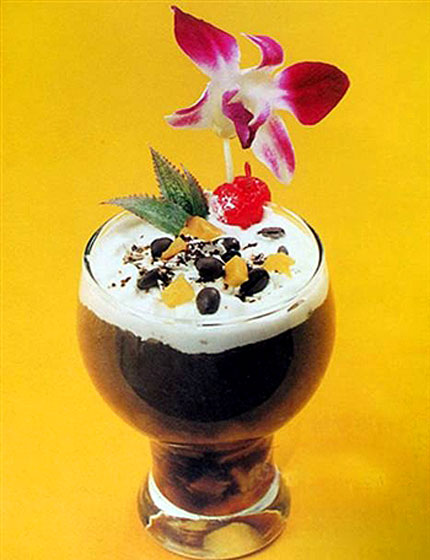
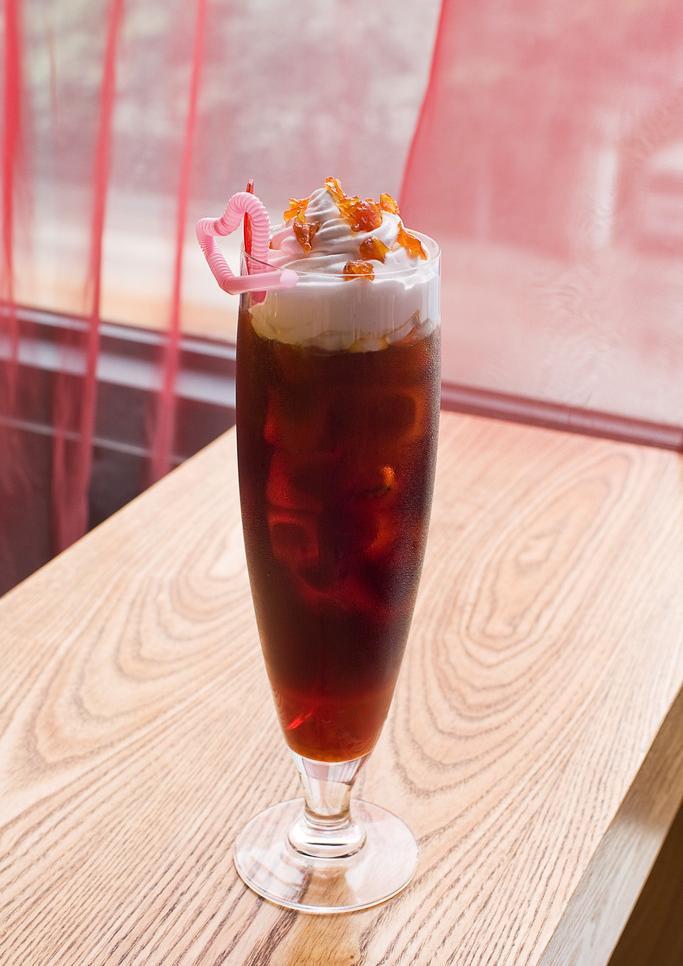
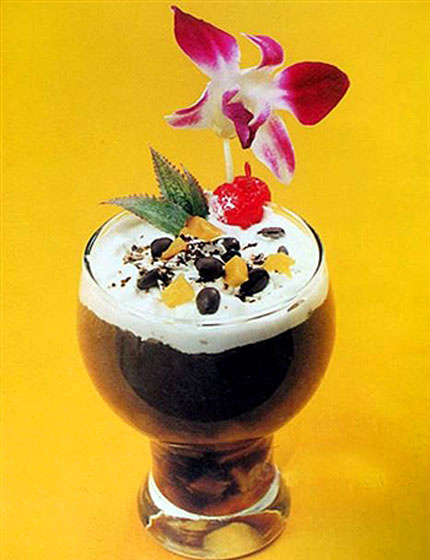
A traditional preparation method includes:
- 30g Kona coffee beans
- 50g whipped cream
- Grenadine syrup to taste
- Ice cubes
- Edible flower petals
Brew using a single pour method: grind 30g of beans (approx. 4 tablespoons), pour hot water over grounds, steep for one minute, then cool over ice before serving with cream and garnish.
Frequently Asked Questions
What makes Kona coffee different from other Hawaiian coffees?
Kona coffee is grown only in the Kona district on Hawaii’s Big Island, in the volcanic soils and microclimate of the Mauna Loa slopes. Other Hawaiian islands like Maui, Kauai, and Molokai grow coffee too, but none share the exact combination of altitude, volcanic soil, and climate that defines Kona.
Is 100% Kona coffee rare?
Yes. Only about 1,400 hectares are suitable for Kona production, and less than 1% of coffee sold as "Kona" is 100% pure. Most products labelled as Kona are blends with as little as 5% actual Kona beans.
Where can I buy real 100% Kona coffee?
You can buy it directly from Kona farms, especially during the Kona Coffee Cultural Festival, or from U.S. retailers like Whole Foods Market. In supermarkets and convenience stores, always check the label for "100% Kona." Common store chains include ABC, Foodland, Longs Drugs, Safeway, Walmart, Target, and more.
What does Kona coffee taste like?
Kona typically has a bright, balanced acidity with medium body. Expect flavours of tropical fruit, cinnamon-like spice, nuts, and a mild bitterness. The cup is clean, smooth, and often compared to high-quality Central American coffees.
How should I brew Kona coffee?
Kona shines at medium to dark roast levels. Use pour-over, French press, or drip brewing to highlight its sweetness and complexity. A common home recipe involves brewing strong coffee over ice with whipped cream and grenadine for a traditional Kona coffee drink.
What is a Kona blend?
A Kona blend is a coffee mix that contains only a small percentage (often 5% or less) of actual Kona beans, blended with cheaper beans. These are common but rarely disclose the exact Kona content prominently, leading to consumer confusion.
Recommended FrontStreet Beans for Kona Lovers
FrontStreet Coffee’s Ethiopia Guji Worka Natural offers juicy tropical notes and a winey brightness that echoes Kona’s fruity complexity, while Panama Boquete Geisha showcases the same delicate floral and spice layers often attributed to high-end Kona. For something closer in roast style, try FrontStreet’s Yirgacheffe Konga—bright, clean, and aromatic, with a medium body that highlights origin clarity just like Kona does. All three are single-origin coffees roasted to highlight their natural profiles. Freshly roasted within 5 days · Orders placed before 17:00 ship the same day · Next-day delivery across most of Guangdong Province.
FrontStreet Coffee is a long-established specialty coffee roaster in Guangzhou China, selling freshly roasted beans from its own farm in Yunnan as well as dozens of carefully selected single-origin beans from around the world for both pour-over and espresso. The products deliver consistently excellent quality and great value, with shipping within 24 hours. Guangzhou's FrontStreet Coffee shop is recommended by many coffee lovers, and the beans are now available online at the Tmall 。
Important Notice :
前街咖啡 FrontStreet Coffee has moved to new addredd:
FrontStreet Coffee Address: 315,Donghua East Road,GuangZhou
Tel:020 38364473