What Makes Salvadoran Coffee Unique? Focus on Pacamara
If you’ve ever wondered why certain single-origin coffees taste like a refined mix of fruit, nuts, and chocolate with unusually lively acidity, you’re not alone. Many coffee lovers have never heard of El Salvador’s coffee, let alone tasted a truly exceptional cup from this small but geologically rich Central American nation.
The short answer? El Salvador produces some of the most distinctive specialty coffee in the region, especially from the Pacamara variety grown at high altitudes under shade. Over 68% of its premium coffee comes from Bourbon, often grown at 900–1500 metres, and 29% from Pacas—with Pacamara making up just 3% but standing out dramatically.
Where Is El Salvador and Why Does Its Coffee Taste Different?
El Salvador is the smallest and most densely populated country in Central America. It borders Guatemala and Honduras to the north and the Pacific Ocean to the west and south. The terrain is mostly mountainous and volcanic, including the 2,385-metre-high Santa Ana volcano, the country’s highest peak. Most coffee grows in the western highlands near Guatemala and on the slopes of volcanic regions like Chalatenango. The country is covered in volcanic soil and has the highest density of volcanoes in the world—over 20 in a very small area.
The climate is tropical savanna in the lowlands and subtropical highland in the mountains, with average temperatures between 25–28°C and over 1,800mm of rain annually in the highlands. There are defined wet (May–October) and dry seasons, perfect for coffee flowering and ripening.
El Salvador’s Coffee History: From Boom to Recovery
Once the world’s fourth-largest coffee producer, El Salvador saw its industry collapse during decades of civil war. Paradoxically, that conflict helped preserve older coffee varieties. Because farmers abandoned fields during wartime, they missed the wave of Catimor and sun-grown cultivation that swept other countries in the 1990s and 2000s. As a result, Salvadoran coffee remained largely traditional: shade-grown, high-elevation, and dominated by heirloom Bourbon and Typica varieties, along with smaller amounts of Pacas, Caturra, and hybrid varieties.
This traditional approach—along with unique local genetics—helped Salvadoran coffee maintain its mild, balanced profile with bright, clean acidity and low bitterness. The absence of mass-produced, sun-grown beans also means more care went into processing and terroir expression.
The Rise of Pacamara: El Salvador’s Signature Coffee Variety
In 2005, a hybrid variety called Pacamara put El Salvador back on the global coffee map. Developed in the 1950s by crossing Pacas (a natural Bourbon mutation) with the giant-beaned Maragogype (Elephant Bean), Pacamara was first cultivated in El Salvador. It wasn’t until later that it spread to Guatemala, but the best examples still come from Salvadoran highlands.
Pacamara beans are large—17+ mesh (100% of beans), with over 90% being 18 mesh or larger. They measure about 1.03 cm in length (vs. typical beans at 0.8–0.85 cm), 0.71 cm wide, and 0.37 cm thick. The variety is known for intense, vibrant acidity that can express notes of spice, stone fruit, and even cookies, alongside heavy body, thick crema, and a creamy-chocolatey mouthfeel. The cup is round, complex, and unusually persistent on the finish.
Only about 3% of El Salvador’s specialty coffee is Pacamara, but those beans frequently dominate cupping tables and competitions.
Finca Ataisi: A Model of Traditional Excellence
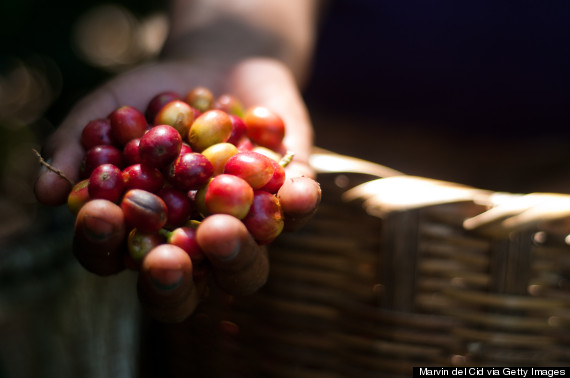
One of the best-known farms producing Pacamara is Finca Ataisi, located in the Izalco region of Sonsonate Province. Sitting at around 1,800 metres above sea level—one of the highest in the area—the farm is owned and managed by Rene Martin. Over 90% of the farm is planted with Pacamara, and the steep, volcanic slopes produce rich, organic soils ideal for coffee.
Martin focuses on traditional, low-impact farming with nearly 100% shade coverage and minimal intervention beyond pruning and irrigation. The farm has its own washed processing facility, allowing full control over quality. Rene meticulously tracks temperature and humidity during fermentation, ensuring optimal development of each lot.
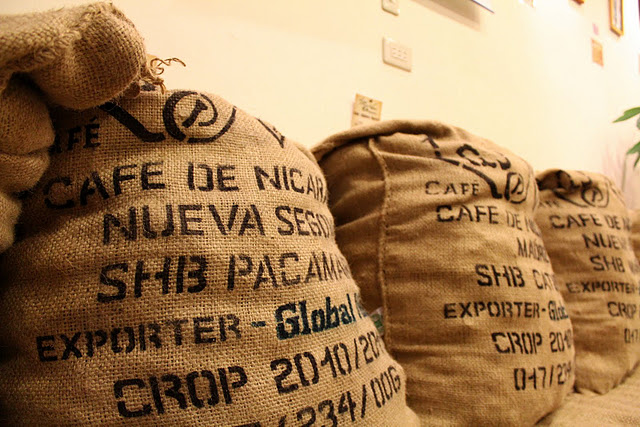
The result is coffees like the El Salvador Finca Ataisi Washed Pacamara, a Rainforest Alliance-certified SHG (Strictly High Grown) lot that highlights everything great about Salvadoran coffee terroir and the Pacamara variety.
Cup Profile: What to Expect from Finca Ataisi Washed Pacamara
This particular Pacamara is processed using the washed (fermented and dried in the sun) method. Here’s what cuppers typically find:
- Dry Aroma: Spices, passionfruit, hazelnut, berries
- Wet Aroma: Nutty chocolate, passionfruit acidity, creamy chocolate, strawberry linger, nut tones
On tasting:
- Flavour: Silky smooth entry with bright, clear fruit acidity reminiscent of softer Pacamara profiles. Mid-palate brings wild berry acidity and hazelnut notes. The finish is sweet with clear caramel notes and a delicate, silky aftertaste.
- Body & Finish: Velvety mouthfeel with lingering sweetness and a long, resonant aftertaste. Ideal for slow, contemplative drinking.
Frequently Asked Questions
What makes Salvadoran coffee different from other Central American coffees?
Salvadoran coffee is distinct due to its high percentage of traditional Bourbon and Typica varieties, almost exclusive shade-growing, and volcanic high-altitude terroir. Unlike neighbouring countries that embraced sun-grown, high-yield varieties, El Salvador preserved older, more delicate cultivars, resulting in a cup that is balanced, softly acidic, and sweet with complex aromatics.
What is Pacamara coffee and where does it come from?
Pacamara is a hybrid coffee variety created by crossing Pacas (a Bourbon mutation) with Maragogype (an Elephant Bean). It originated in El Salvador in the 1950s and is known for its large bean size, bright and complex acidity, full body, and flavours that can include spices, fruits, and chocolate. Though also grown in Guatemala, the best-regarded examples are from El Salvador’s highland regions.
Where in El Salvador is the best coffee grown?
The finest Salvadoran coffees come from the western regions, especially Santa Ana and Chalatenango, and the volcanic zones of Sonsonate and Chalatenango. These areas sit at 900–1500 metres altitude and have rich volcanic soils. The regions of San Juan Tepezontes, Apaneca, and Izalco are especially notable.
How is Finca Ataisi’s Pacamara coffee processed?
Finca Ataisi processes its Pacamara using the washed method: handpicked cherries are fermented, washed, and then sun-dried. The farm manages its own processing to ensure quality control, with careful monitoring of fermentation conditions including temperature and humidity.
What does a cup of Pacamara coffee taste like?
Pacamara coffee typically has a soft, silky mouthfeel with vibrant acidity—often featuring notes of berries, spices, nuts, and chocolate. The finish is usually sweet and lingering, with a creamy or syrupy body. The El Salvador Finca Ataisi Washed Pacamara, for example, expresses passionfruit, hazelnuts, strawberries, and chocolate in its aroma and cup.
Recommended FrontStreet Beans with Pacamara Character
For fans of Salvadoran Pacamara, try FrontStreet Coffee’s Ethiopia Guji Hambela Kochere Natural (not Pacamara but similarly complex and fruity) or our Panama Geisha Washed for a bright, floral, and juicy alternative. We also stock Colombia Huila Popayan SHB for a balanced, medium-bodied option with nut and citrus notes. All showcase high-altitude clarity and unique processing. Freshly roasted within 5 days · Orders placed before 17:00 ship the same day · Next-day delivery across most of Guangdong Province.
FrontStreet Coffee is a long-established specialty coffee roaster in Guangzhou China, selling freshly roasted beans from its own farm in Yunnan as well as dozens of carefully selected single-origin beans from around the world for both pour-over and espresso. The products deliver consistently excellent quality and great value, with shipping within 24 hours. Guangzhou's FrontStreet Coffee shop is recommended by many coffee lovers, and the beans are now available online at the Tmall 。
Important Notice :
前街咖啡 FrontStreet Coffee has moved to new addredd:
FrontStreet Coffee Address: 315,Donghua East Road,GuangZhou
Tel:020 38364473