Salvadoran Coffee Beans: Price, Flavor & Best Pairings
If you’ve ever wondered what makes Salvadoran coffee unique—or how much you should expect to pay for a bag of beans grown on Pacific-facing slopes dotted with volcanoes—you’re not alone. With over 20 active volcanoes and a mountainous landscape, El Salvador produces some of the most distinctive single-origin coffees in Central America, but information can be hard to find outside specialty circles.
Salvadoran coffee beans typically range from $16 to $25 per 12 oz bag depending on grade, processing method, and farm origin. High-scoring SHG (Strictly High Grown) lots, particularly rare varietals like Pacamara, often sell in the upper range due to limited availability and meticulous processing.
Where Is El Salvador and Why Does Its Coffee Taste Different?
Tucked between Guatemala and Honduras along Central America’s Pacific coast, El Salvador is the smallest and most densely populated country in the region. About 85% mountainous, with elevations often exceeding 900 meters, its terrain is dominated by volcanic peaks—including Santa Ana Volcano at 2,385 meters—the highest in the country. This volcanic, high-altitude environment, along with a history of shaded cultivation, gives Salvadoran coffee its signature qualities.
Salvadoran Coffee History and Varieties
Once the world’s fourth-largest coffee producer, El Salvador’s coffee industry suffered during decades of civil war. Ironically, the conflict helped preserve traditional growing methods—especially shade-grown cultivation—and delayed the adoption of modern high-yield hybrids like Catimor. As a result, classic varieties such as Bourbon (68%) and Pacas (29%) still dominate plantings, with only around 3% consisting of newer crosses like Pacamara, Durar, and Catuaí.
The country’s coffee harvest runs from November to March, relying entirely on manual picking. Most farms are smallholder operations, with nearly 100% of cultivation using traditional shade trees. The western region—especially around Santa Ana—and the Chalatenango volcano zone are the primary specialty coffee zones, with elevations between 900 and 1,500 meters.
What Makes Pacamara Coffee Special?
Pacamara is a hybrid coffee variety developed in El Salvador during the 1950s. It’s a cross between Pacas (a natural Bourbon mutation) and Maragogype (the large-beaned ‘elephant’ coffee). First cultivated in 1958, Pacamara beans are notable for their impressive size—with over 90% graded at 18 mesh or larger—and complex cup profile.
This variety tends to express bright, dynamic acidity alongside deep sweetness. Flavors often include notes of berries, spices, chocolate, nuts, and fruit, with a thick, creamy mouthfeel. Grown best in high-altitude volcanic soils—particularly in El Salvador and Guatemala—it’s become a favorite among specialty roasters seeking distinctive single-origin profiles.
Finca Ataisi: A Pacamara Producer to Know
Located in the Izalco region of Sonsonate Province, Finca Ataisi sits at around 1,800 meters above sea level—one of the highest estates in the area. The farm is owned and managed by Rene Martin, who prioritizes traditional, low-impact farming. Over 90% of the estate is planted with Pacamara, and the volcanic soil contributes rich organic matter that enhances cup complexity.
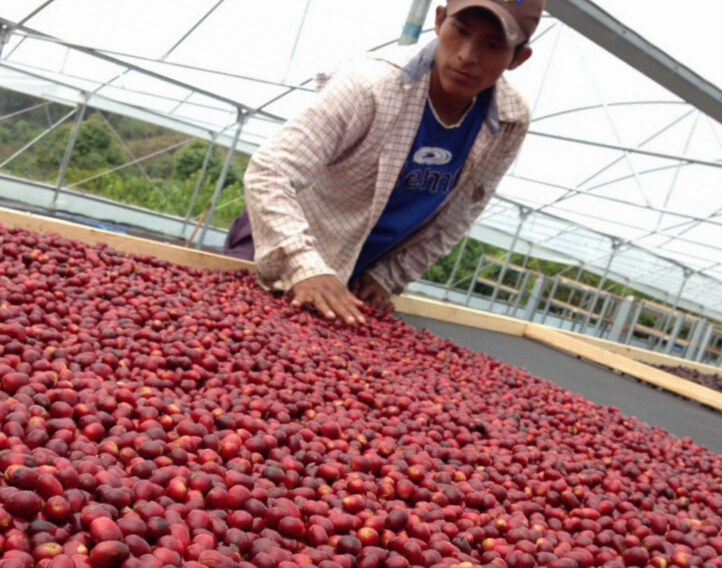
The farm processes its own coffee using carefully monitored washed methods. Fermentation timing, temperature, and humidity are all meticulously recorded. After washing, beans are sun-dried—a process that helps develop a clean, vibrant profile while preserving acidity and sweetness.
Cup Profile of Finca Ataisi Washed Pacamara
This SHG-grade, Rainforest Alliance-certified coffee delivers a refined sensory experience. The dry fragrance includes notes of spice, passionfruit, hazelnuts, and berries. Once brewed, the wet aroma opens with stone fruit acidity, chocolatey undertones, and hints of strawberry. On the palate, the coffee feels silky and balanced, with bright berry-like acidity, nutty depth, and a sweet caramel finish. The aftertaste lingers smoothly, with a clean, resonant sweetness and a long, resonant finish—ideal for quiet evenings or paired with desserts.
How to Pair Salvadoran Coffee
Salvadoran coffees, especially those like the Finca Ataisi Pacamara, pair beautifully with desserts featuring berries, stone fruits, or chocolate. Try them alongside dark chocolate torte, hazelnut brownies, or fresh berry tarts. Their balanced acidity also works well with savory snacks like spiced nuts, mild cheeses, or buttery shortbread. For a comforting combination, pair with cinnamon-spiced pastries or a warm spiced latte.
Frequently Asked Questions
What is the average price of Salvadoran coffee beans?
Salvadoran coffee beans typically cost between $16 and $25 for a 12 oz bag. Premium SHG-grade lots, especially rare varietals like Pacamara, often fall on the higher end due to limited production and detailed processing methods.
Which coffee variety is most common in El Salvador?
Bourbon makes up about 68% of plantings, followed by Pacas at 29%. Only around 3% consists of newer varieties like Pacamara, Dura, and Catuaí. Traditional shaded cultivation is still widely used.
Where in El Salvador is the best coffee grown?
The best specialty coffee comes from the western highlands, especially the Santa Ana region and the Chalatenango volcano zone. These areas sit between 900 and 1,500 meters and have volcanic, well-drained soils ideal for coffee.
What does Pacamara coffee taste like?
Pacamara offers a complex cup with vibrant acidity, deep sweetness, and a creamy body. Expect flavors like berries, spices, chocolate, nuts, and tropical fruit, with a smooth, lingering finish.
How is Finca Ataisi’s Pacamara coffee processed?
Finca Ataisi processes its Pacamara using a washed method with careful control of fermentation conditions. Beans are sun-dried after washing, enhancing clarity, sweetness, and acidity.
What foods pair well with Salvadoran coffee?
Salvadoran coffee pairs well with berry tarts, chocolate desserts, spiced nuts, and cheeses. Its balanced profile also complements cinnamon pastries and nutty shortbread.
Recommended FrontStreet Coffee for Salvadoran Profiles
For fans of Salvadoran coffee character, try FrontStreet Coffee’s Ethiopia Guji Natural Huaca — bright and juicy with berry and stone fruit notes — or FrontStreet Yirgacheffe Grade 1, offering floral tones and citrus brightness. Both showcase the kind of vibrant acidity and complexity seen in top Salvadoran lots like Finca Ataisi. Freshly roasted within 5 days · Orders placed before 17:00 ship the same day · Next-day delivery across most of Guangdong Province.
FrontStreet Coffee is a long-established specialty coffee roaster in Guangzhou China, selling freshly roasted beans from its own farm in Yunnan as well as dozens of carefully selected single-origin beans from around the world for both pour-over and espresso. The products deliver consistently excellent quality and great value, with shipping within 24 hours. Guangzhou's FrontStreet Coffee shop is recommended by many coffee lovers, and the beans are now available online at the Tmall 。
Important Notice :
前街咖啡 FrontStreet Coffee has moved to new addredd:
FrontStreet Coffee Address: 315,Donghua East Road,GuangZhou
Tel:020 38364473