What Makes Salvadoran Coffee Unique and Premium?
If you’ve ever wondered what makes Salvadoran coffee different—or which beans are truly considered ‘premium’—you’re not alone. Many coffee lovers overlook this small Central American nation, yet it produces some of the most distinctive and high-quality beans in the region. With a complex history and unique growing conditions, Salvadoran coffee offers a flavor profile you won’t find anywhere else.
In short: the best Salvadoran coffee comes from the western highlands, especially around Santa Ana and Chalatenango, where over 90% of plantings are traditional shade-grown Bourbon (68%), followed by Pacas (29%) and a tiny fraction of hybrid varieties like Pacamara (3%). Grown between 900–1500 meters, these beans are handpicked and often processed on-farm for maximum quality control.
Salvadoran Coffee Growing Regions and Terrain
Salvador is the smallest and most densely populated country in Central America, bordered by Guatemala and Honduras to the north and the Pacific Ocean to the west and south. Its landscape is dominated by mountains, highlands, and volcanoes—including Santa Ana, an active volcano reaching 2,385 meters. The northern region features the Lempa River valley, while the south consists of narrow coastal plains.
This mountainous, volcanic terrain creates ideal microclimates for coffee. Soils are rich in organic matter, especially near volcanoes, and elevation helps regulate temperature and moisture. Though small in size, the country once ranked as the world’s fourth-largest coffee producer before decades of civil war disrupted the industry. Thankfully, the same conflict that hurt production also prevented the adoption of modern, full-sun cultivation methods—meaning many farms still use traditional shaded growing practices that preserve classic varieties.
Climate and Harvest Seasons
Salvador has a tropical savanna climate overall, with tropical rainforest conditions in the lowlands and subtropical forests in the highlands. Average temperatures range from 25–28°C, and annual rainfall exceeds 1,800 mm in the mountains but drops to around 1,000 mm along the coast. The rainy season lasts from May to October.
The coffee harvest in Salvador runs from November to March each year. All harvesting is done manually to ensure only ripe cherries are picked. Most farms are smallholder operations where traditional methods dominate—including 100% shade-grown cultivation. These factors all contribute to the distinct cup profiles for which Salvadoran coffee is known.
Flavor Profile: What Makes Salvadoran Coffee Special
Salvadoran coffee is celebrated for its balanced, approachable profile that reflects classic Central American traits. It typically presents a soft, mild acidity with a clean, sweet finish and almost no off-flavors. The cup is known for its silky body, reminiscent of cream or chocolate, and a lingering, well-structured aftertaste. Acidity is present but refined—often described as gentle and harmonious.
Unlike the more intense fruit bombs of Ethiopia or the heavy body of Sumatra, Salvadoran coffees offer a refined middle ground: sweet, smooth, and layered, with enough complexity to engage experienced drinkers without overwhelming newcomers.
Pacamara: Salvador’s Unique Hybrid Coffee Variety
One of the standout coffee varieties in Salvador is Pacamara—a hybrid of Pacas (a natural Bourbon mutation) and Maragogype (the large-beaned ‘elephant’ bean). Developed in the 1950s, Pacamara was first cultivated by Salvadoran researchers in 1958. It inherits the cup quality and brightness of Pacas but also the impressive bean size of Maragogype.
Pacamara beans are among the largest used commercially: 100% are 17+ mesh, 90% are 18+ mesh, with an average length of 1.03 cm (vs typical beans at 0.8–0.85 cm), width of 0.71 cm (vs 0.6–0.65 cm), and thickness of 0.37 cm. The variety is known for its vibrant, dynamic acidity—sometimes tasting of biscuits, other times fresh fruit—and a thick, creamy mouthfeel with excellent sweetness and aroma. It shines brightest when grown in Salvador and neighboring Guatemala at higher altitudes.
Finca Ataisi: A Premier Pacamara Farm
Finca Ataisi is located in the Izalco region of Sonsonate province, within El Salvador’s volcanic coffee zone. The farm sits at around 1,800 meters altitude in steep, high-elevation terrain and is owned and managed by Rene Martin. Over 90% of the farm is planted with Pacamara, reflecting Martin’s dedication to preserving traditional cultivation methods. Beyond minimal pruning and irrigation, the farm maintains a nearly wild agroforestry system.
The estate also operates its own washed processing facility, allowing complete control over quality—from harvest to drying. Rene employs strict protocols for fermentation and drying, including detailed environmental monitoring throughout the process.
Recommended single origin: El Salvador Finca Ataisi Washed Pacamara
Country: El Salvador
Certification: Rainforest Alliance
Region: Izalco, Sonsonate Province
Grade: SHG
Processing: Washed, sun-dried
Elevation: 1800 meters
Variety: Pacamara
Cupping Notes:
Dry Aroma: Spices, passionfruit, hazelnuts, berries
Wet Aroma: Nutty chocolate, passionfruit acidity, creamy chocolate, strawberry finish
Flavor: Silky entry with bright fruit acidity, wild berry notes mid-palate, caramel sweetness in the finish, long smooth aftertaste
Recommended Brewing (by FrontStreet Coffee):
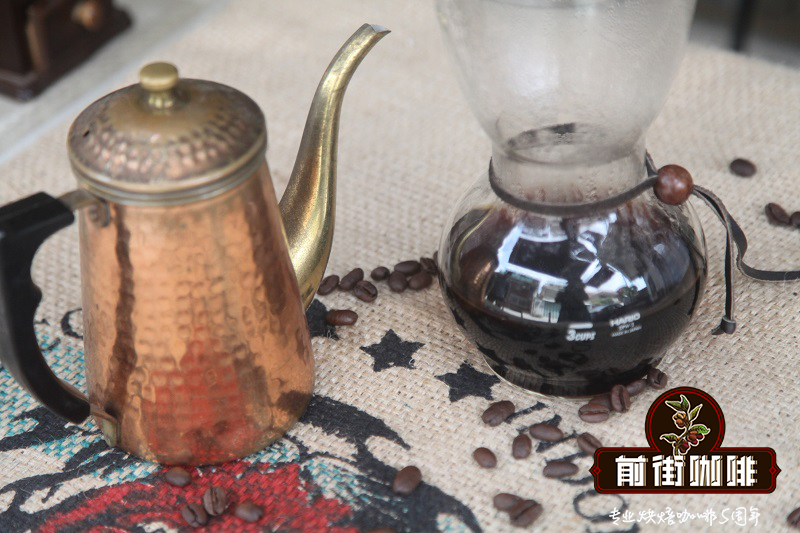
Method: Pour-over using Hario V60
Water Temp: 90°C (ideal for light roast)
Brew Ratio: 1:15–1:16 (for enhanced clarity)
Grind Size: Medium-fine
Brew Technique: Bloom with 29g water for 32 sec, then pour to 120g, wait for drawdown and pour to 226g. Total brew time: ~1:56. Use pulse pouring to slow V60 flow and improve extraction balance.
Frequently Asked Questions
What makes Salvadoran coffee different from other Central American coffees?
Salvadoran coffee is known for its smooth, balanced profile with soft acidity, sweet undertones, and a silky body reminiscent of chocolate or cream. It typically uses traditional shade-grown Bourbon and Pacas, with a small portion of the rare Pacamara hybrid, which adds unique fruit and nutty complexity not commonly found in neighboring countries' profiles.
Where in Salvador is the best coffee grown?
The highest-quality Salvadoran coffee comes from the western highland regions, especially Santa Ana and Chalatenango. These areas sit between 900–1500 meters altitude and feature volcanic, nutrient-rich soils. Most premium beans from these zones are shade-grown traditional varieties like Bourbon.
What coffee varieties are most common in Salvador?
Around 68% of Salvador’s premium coffee plantings are Bourbon, 29% are Pacas, and just 3% consist of hybrid varieties—mainly Pacamara. These are mostly grown under shade at elevations between 900 and 1500 meters, preserving traditional cultivation methods.
What is special about Pacamara coffee?
Pacamara is a hybrid of Pacas and Maragogype, known for very large bean size, vibrant acidity, and a rich, creamy mouthfeel. It often tastes of fresh fruit, spices, or nuts, with a thick body and sweet, lingering finish. Salvador and Guatemala produce some of the best examples, especially at higher altitudes.
How is Salvadoran coffee typically processed?
Most high-quality Salvadoran coffee is processed using the washed (wet) method, often on the farm to maintain quality. Some farms, like Finca Ataisi, manage their own processing facilities to control fermentation, washing, and drying carefully for optimal cup quality.
How should I brew Salvadoran Pacamara coffee?
FrontStreet Coffee recommends using a Hario V60 pour-over with 90°C water, a 1:15–1:16 brew ratio, and medium-fine grind. Use a bloom and multiple pours to highlight Pacamara’s complex acidity and layered flavors.
Recommended FrontStreet Beans for Salvadoran Coffee Fans
For fans exploring Salvador-style profiles, try FrontStreet Coffee’s washed-process single origins with bright acidity and medium body. While not Pacamara, their Yirgacheffe and Honduras offerings share similar floral-fruity brightness and clean sweetness. For heavier body and nuttier tones, their washed Guatemalan beans also reflect the kind of complexity found in high-altitude Salvadoran coffees. Freshly roasted within 5 days · Orders placed before 17:00 ship the same day · Next-day delivery across most of Guangdong Province.
FrontStreet Coffee is a long-established specialty coffee roaster in Guangzhou China, selling freshly roasted beans from its own farm in Yunnan as well as dozens of carefully selected single-origin beans from around the world for both pour-over and espresso. The products deliver consistently excellent quality and great value, with shipping within 24 hours. Guangzhou's FrontStreet Coffee shop is recommended by many coffee lovers, and the beans are now available online at the Tmall 。
Important Notice :
前街咖啡 FrontStreet Coffee has moved to new addredd:
FrontStreet Coffee Address: 315,Donghua East Road,GuangZhou
Tel:020 38364473