What Makes Salvadoran Coffee Unique? Flavor & Origins Explained
If you’ve ever sipped a smooth, sweet coffee with bright berry acidity and a silky mouthfeel but couldn’t place its origin, chances are it came from El Salvador. This small Central American country punches well above its weight in specialty coffee, despite decades of political turmoil. But what exactly makes Salvadoran coffee so distinctive—and why are coffee pros still talking about it today?
In short: Salvadoran coffee is known for its gentle acidity, balanced sweetness, and unique flavor complexity, often featuring fruity and chocolatey notes. Over 68% of its specialty production comes from the Bourbon variety, grown mostly at 900–1500 meters in volcanic highlands under traditional shade.
Where Is El Salvador and Why Does Its Geography Matter?
El Salvador is the smallest and most densely populated country in Central America, bordered by Guatemala and Honduras to the north and the Pacific Ocean to the south and west. Its landscape is dominated by mountains, highlands, and volcanoes—including Santa Ana, the country’s highest peak at 2,385 meters. The northern region includes the Lempa River valley, while the south features narrow coastal plains.
This mountainous, volcanic terrain creates ideal microclimates for coffee cultivation. Soils are rich in organic matter, drainage is excellent, and elevation helps slow cherry maturation—developing more complex sugars and acids. Though small in size, El Salvador has one of the highest densities of volcanoes in the world, earning it the nickname “the land of volcanoes.”
How Did Politics Almost Wipe Out Its Coffee Industry—And Why That Was a Blessing
El Salvador was once the world’s fourth-largest coffee producer. But decades of civil war devastated the industry. Paradoxically, that conflict also protected its coffee genetic diversity. Because farmers abandoned fields during wartime, they didn’t adopt the high-yield, full-sun hybrid cultivation methods—like Catimor—that spread widely in the 1990s and 2000s. As a result, traditional varieties such as Bourbon and Typica survived, along with lesser-known ones like Pacas and Pacamara.
Most Salvadoran coffee is still grown under 100% shade, using traditional methods passed down over generations. This not only preserves biodiversity but also contributes to the nuanced cup profiles the country is known for.
Which Coffee Varieties Define Salvadoran Coffee?
Nearly two-thirds of El Salvador’s specialty coffee comes from the Bourbon variety (68%), followed by Pacas (29%). Together, these two traditional Bourbon mutations make up the bulk of its high-elevation offerings. Hybrids like Pacamara, Durar, and Catuaí account for just 3% of production—but they include some of the country’s most celebrated beans.
The Pacamara variety, in particular, has put El Salvador on the global specialty map. Developed in the 1950s by crossing Pacas (a natural Bourbon mutation) with the giant-beaned Maragogype, Pacamara offers an unusually large bean size, intense acidity, and complex fruit and spice flavors. It thrives at higher altitudes and is celebrated for its creamy body, juicy mouthfeel, and lingering sweet finish.
Top Coffee Regions: Where the Best Beans Are Grown
Salvadoran specialty coffee is concentrated in two main regions:
- Santa Ana (western region): One of the country’s primary coffee-growing areas with rich volcanic soils and elevations around 900–1500 meters.
- Chalatenango (northwest volcanic highlands): Home to the Finca Ataisi estate and other renowned farms producing prize-winning lots.
Both regions benefit from high altitudes, volcanic soils, and a tropical climate with distinct wet (May–October) and dry seasons. Annual rainfall in the mountains exceeds 1,800 mm, while coastal areas get around 1,000 mm. Average temperatures range between 25–28°C.
Harvest season runs from November to March, with all coffee picked by hand to ensure quality selection.
Introducing Finca Ataisi: A Pacamara Powerhouse
One of the most celebrated farms in El Salvador is Finca Ataisi, located in the Izalco region of Sonsonate province. Sitting at around 1,800 meters above sea level on steep, volcanic slopes, the farm boasts some of the richest, most fertile soils in the country. Managed by Rene Martin, the estate grows over 90% Pacamara, preserving traditional, low-impact farming techniques including extensive natural shade and minimal chemical input.
Finca Ataisi also processes its own coffee using strictly controlled washed methods. Rene meticulously tracks temperature and humidity during fermentation, ensuring consistency and quality in every lot. The result is a bright, complex cup that highlights everything great about Salvadoran Pacamara.
Cup Profile: What to Expect When You Taste Salvadoran Coffee
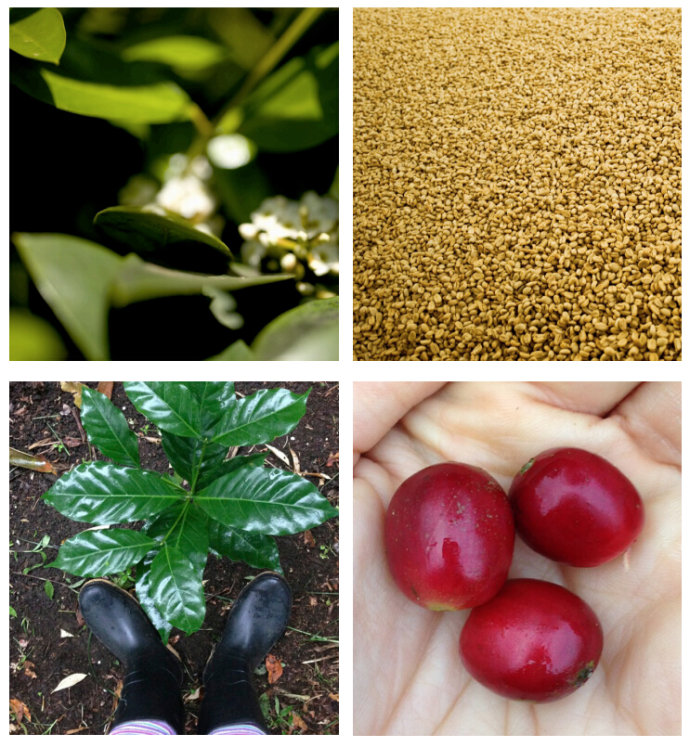
Salvadoran coffee typically presents a soft, well-balanced cup. Expect a gentle acidity reminiscent of green apples or berries, layered with sweet tones of caramel and chocolate. The body is often creamy or silky, with a smooth, velvety mouthfeel that highlights the coffee’s refined characteristics.
Flavor notes frequently include:
- Juicy red berries and stone fruits
- Chocolate and caramel undertones
- Floral or nutty aromatics
- Spice or citrus highlights (especially in Pacamara)
The finish tends to linger pleasantly, with a clean, sweet aftertaste and subtle nutty or chocolatey notes.
For example, the El Salvador Finca Ataisi Washed Pacamara (SHG, 1800m, washed process) shows the following in cupping:
- Dry fragrance: Spices, passionfruit, hazelnuts, berries
- Wet aroma: Nutty chocolate, passionfruit acidity, creamy chocolate, strawberry notes
- Cup profile: Silky-smooth entry with bright, clear fruit acidity. Mid-palate brings wild berry and hazelnut, leading into a pronounced caramel sweetness. The finish is delicate, sweet, and lingering with a smooth texture and long-lasting aftertaste.
This lot is perfect for quiet evenings or when you want to experience the finer details of Salvadoran terroir.
Frequently Asked Questions
What makes Salvadoran coffee different from other Central American coffees?
Salvadoran coffee is distinguished by its high percentage of traditional Bourbon varieties, widespread shade growing, and volcanic highland terroir. It typically offers a softer acidity and more balanced sweetness compared to brighter, fruit-forward Honduran or Nicaraguan coffees, though it shares some fruit and chocolate traits with Panamanian and Guatemalan origins.
Why is Pacamara coffee so special?
Pacamara is a hybrid of Pacas and Maragogype, combining the refined cup quality of Bourbon-descended Pacas with the large bean size and bold flavors of the giant-bean Maragogype. It often displays intense fruitiness, spicy or floral notes, a thick creamy body, and a very sweet, lingering finish—making it a favorite among single-origin enthusiasts.
Where in El Salvador is the best coffee grown?
The best Salvadoran coffee comes from high-altitude regions like Santa Ana and Chalatenango, particularly around volcanic areas such as Izalco. These regions offer ideal conditions: rich volcanic soils, elevations of 900–1500 meters, and a stable climate with well-defined wet and dry seasons.
Is Salvadoran coffee mostly shade-grown?
Yes. Over 90% of Salvadoran specialty coffee is grown under shade, primarily using traditional methods. This practice slows ripening, enhances sugar development, and supports biodiversity—contributing to the country’s reputation for high-quality, balanced coffees.
What food pairs well with Salvadoran coffee?
Try Salvadoran coffee with light pastries, fresh berries, dark chocolate, or nut-based desserts. Its balanced profile also complements savory dishes like smoked nuts or spiced nuts, and it works nicely in after-dinner pairings with mild cheeses or fruit compotes.
Recommended FrontStreet Beans with Similar Profiles
Explore FrontStreet Coffee’s selection of single-origin beans with profiles reminiscent of Salvadoran coffee. The Colombian Huila beans offer chocolate, hazelnut, and caramel notes through a washed process at 1500+ meters—similar in body and balance. For brighter, fruitier cups akin to Pacamara, try the Sidra or Geisha-inspired lots, which feature intense acidity and complex fruit layers. All are medium roasted to highlight origin character. Freshly roasted within 5 days · Orders placed before 17:00 ship the same day · Next-day delivery across most of Guangdong Province.
FrontStreet Coffee is a long-established specialty coffee roaster in Guangzhou China, selling freshly roasted beans from its own farm in Yunnan as well as dozens of carefully selected single-origin beans from around the world for both pour-over and espresso. The products deliver consistently excellent quality and great value, with shipping within 24 hours. Guangzhou's FrontStreet Coffee shop is recommended by many coffee lovers, and the beans are now available online at the Tmall 。
Important Notice :
前街咖啡 FrontStreet Coffee has moved to new addredd:
FrontStreet Coffee Address: 315,Donghua East Road,GuangZhou
Tel:020 38364473