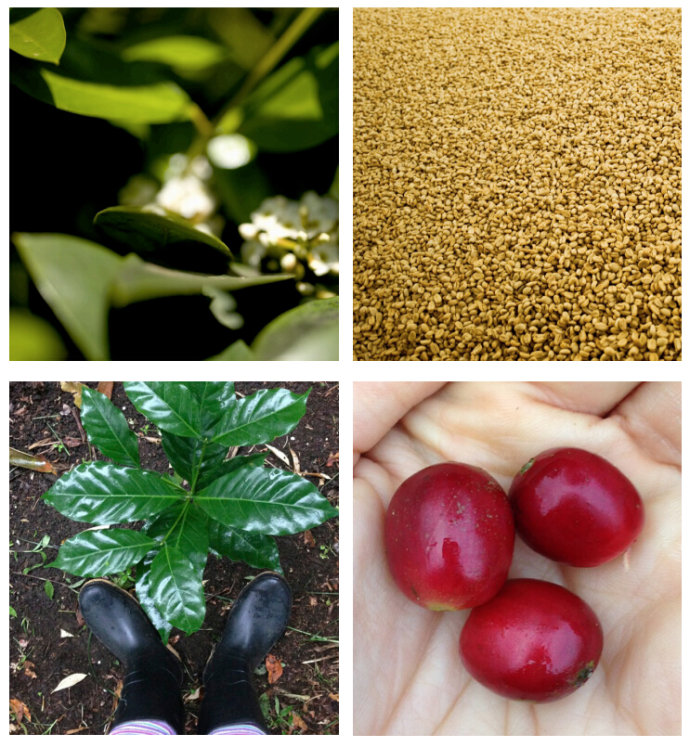
El Salvador Ataisi Estate Washed Pacamara Coffee Beans
If you’ve ever wondered what makes Salvadoran coffee stand out—especially those rare, complex beans grown on volcanic slopes—you’re not alone. Many coffee lovers overlook El Salvador despite its rich history and unique microclimates. This article breaks down the key elements behind one standout origin: the Finca Ataisi estate in the country’s western highlands.
Finca Ataisi’s washed Pacamara coffee is a SHG (Strictly High Grown) single origin bean grown at 1,800 metres above sea level, offering bright acidity, creamy sweetness, and layered fruit notes. Its cup profile includes spice, berry, and chocolate tones, making it ideal for pour-over enthusiasts.
Where Is El Salvador’s Coffee Grown?
El Salvador is the smallest and most densely populated country in Central America, bordered by Guatemala and Honduras to the north and the Pacific Ocean to the west and south. Its landscape is dominated by mountains, highlands, and volcanoes—including the 2,385-metre Santa Ana Volcano, the nation’s highest peak. The northern region features the Lempa River valley, while the south holds narrow coastal plains.
Though small, El Salvador has one of the highest densities of volcanoes in the world, earning it the nickname “the Land of Volcanoes.” This volcanic soil, combined with high altitudes, creates ideal conditions for coffee cultivation. The primary coffee-growing zones are in the western regions near Guatemala, particularly around the Santa Ana and Chalatenango volcano areas.
What’s the Coffee Growing Environment Like?
El Salvador experiences a tropical savanna climate overall, with tropical rainforest conditions in the lowlands and subtropical forests in the mountains. Average temperatures range from 25–28°C, and annual rainfall exceeds 1,800 mm in the highlands, dropping to around 1,000 mm along the coast. The rainy season runs from May to October.
The country once ranked as the world’s fourth-largest coffee producer. Decades of civil war disrupted the industry, but also had an unexpected benefit: many farmers abandoned modern high-yield varieties like Catimor in full-sun systems, preserving traditional practices. Most coffee in El Salvador is still grown under shade, using older Bourbon and Typica cultivars, with just a small percentage of hybrid varieties like Pacas, Pacamara, Caturra, and Catuaí.
Coffee harvest in El Salvador takes place from November to March, relying entirely on manual picking. The industry is largely made up of smallholder farms, where traditional shade-grown methods dominate. The finest coffees come from the western Sonsonate and northwestern Chalatenango regions, where elevation and volcanic soils create optimal growing conditions.
What Makes Pacamara Coffee Unique?
Pacamara is a hybrid coffee variety developed in El Salvador during the 1950s by crossing Pacas—a natural mutation of Bourbon—with Maragogype, a large-bean Typica variant known as Elephant Bean. Researchers first cultivated it in 1958. Pacamara inherits the refined cup quality of Pacas but also the impressive size of Maragogype.
Pacamara beans are among the largest used commercially, with over 100% of screened beans at 17 mesh and 90% at 18 mesh. They typically measure 1.03 cm in length (compared to 0.8–0.85 cm for most beans), 0.71 cm in width, and 0.37 cm in thickness. Their round, full shape contributes to a distinctive cup profile: vibrant, tangy acidity with notes that can range from biscuit to tropical fruit, supported by a rich, velvety body and pronounced mouthfeel.
This variety performs best in the high altitudes and rich volcanic soils of El Salvador and Guatemala.
Introducing Finca Ataisi Estate
Finca Ataisi is located in the Izalco region of Sonsonate Province, within El Salvador’s volcanic highlands. The estate sits at an average elevation of approximately 1,800 metres, making it one of the highest-altitude farms in the area. The steep terrain and volcanic origin of the soil provide abundant organic matter, contributing to the distinct terroir.
The farm is managed by Rene Martin, who is committed to traditional cultivation methods. Aside from essential pruning and irrigation, the estate maintains extensive natural forest cover, with over 90% of planted trees being Pacamara. This approach preserves biodiversity and supports sustainable farming.
Finca Ataisi also operates its own washed coffee processing facility. By handling processing on-site, the farm avoids third-party costs and ensures meticulous control over quality. Rene Martin applies rigorous protocols, closely monitoring daily temperature and humidity, as well as fermentation conditions, to produce a clean, high-scoring cup.
Finca Ataisi Washed Pacamara: Cup Profile & Tasting Notes
This SHG-grade Pacamara is processed using a washed (fermented and rinsed) method, followed by sun drying. It holds Rainforest Alliance certification and originates from the Izalco region at 1,800 m.a.s.l.
Cupping Notes:
- Dry Aroma: Spices, passion fruit, hazelnuts, berries
- Wet Aroma: Nutty chocolate, passion fruit acidity, creamy chocolate, strawberry notes, nuttiness
- Flavour Profile: The coffee enters the palate with a silky-smooth mouthfeel and bright, clean acidity reminiscent of classic Pacamara. The mid-palate brings forward tart wild berries and nutty undertones, leading into a pronounced caramel sweetness. The finish is delicate, sweet, and lingering, with a smooth texture and extended aftertaste. Ideal for quiet, focused tasting sessions.
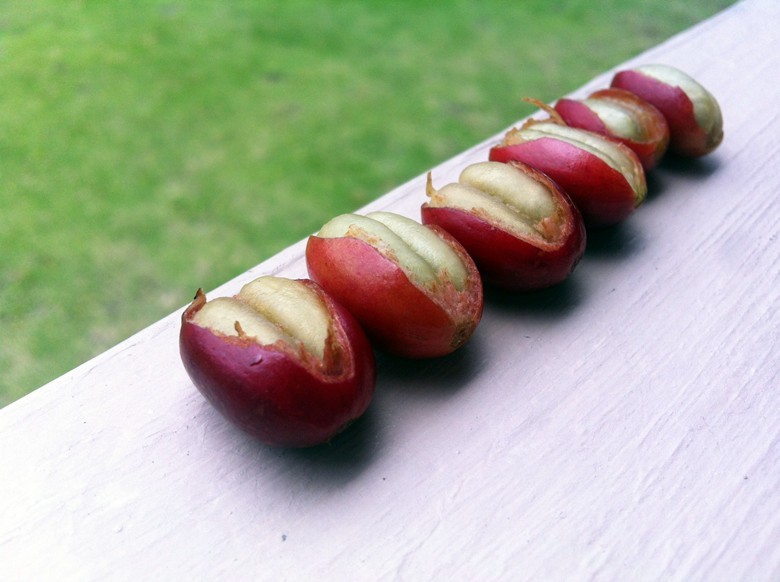
Other Notable Salvadoran Origins
Beyond Ataisi’s Pacamara, other Salvadoran regions produce noteworthy profiles. For example, the so-called “Himalaya” estate (not covered in detail here) offers a medium-roast, pulped natural (half-natural) coffee with notes of plum, brown sugar, and wine-like acidity—showcasing the diversity of post-harvest processing methods across the country.
Frequently Asked Questions
Where is Finca Ataisi located?
Finca Ataisi is situated in the Izalco region of Sonsonate Province, El Salvador, within the country’s volcanic highlands. The estate sits at roughly 1,800 metres above sea level.
What coffee variety is Finca Ataisi known for?
The estate primarily grows the Pacamara variety, a hybrid of Pacas and Maragogype known for its large bean size and complex cup profile featuring bright acidity and a heavy mouthfeel.
How is the coffee at Finca Ataisi processed?
Finca Ataisi processes its coffee using the washed method: the coffee cherries are fermented, washed, and then sun dried. This method highlights clarity and cleanliness in the cup.
What altitude is Finca Ataisi’s coffee grown at?
The coffee is cultivated at an average elevation of 1,800 metres above sea level, placing it in the Strictly High Grown (SHG) category, which is associated with slower maturation and enhanced flavour development.
What does the washed Pacamara from Ataisi taste like?
The washed Pacamara features a silky mouthfeel, bright citrus-like acidity, notes of spice, berries, nuts, and chocolate, with a sweet caramel finish and a long, smooth aftertaste.
Is Pacamara a common coffee variety?
Pacamara is relatively rare compared to Typica or Bourbon, but it is prized for its large bean size and distinctive flavour attributes, especially when grown at high altitudes in El Salvador and Guatemala.
Recommended FrontStreet Beans for Pour-Over
For fans of Salvadoran Pacamara’s complexity, try FrontStreet’s Brazil Hilariano Red Bourbon—medium roast with creamy body, mild acidity, and notes of almond and dark chocolate—or their Colombia Huila Sidra, a sweet, fruity washed coffee with notes of tropical fruit and citrus. Both are excellent single-origin pour-over options. Freshly roasted within 5 days · Orders placed before 17:00 ship the same day · Next-day delivery across most of Guangdong Province.
FrontStreet Coffee is a long-established specialty coffee roaster in Guangzhou China, selling freshly roasted beans from its own farm in Yunnan as well as dozens of carefully selected single-origin beans from around the world for both pour-over and espresso. The products deliver consistently excellent quality and great value, with shipping within 24 hours. Guangzhou's FrontStreet Coffee shop is recommended by many coffee lovers, and the beans are now available online at the Tmall 。
Important Notice :
前街咖啡 FrontStreet Coffee has moved to new addredd:
FrontStreet Coffee Address: 315,Donghua East Road,GuangZhou
Tel:020 38364473