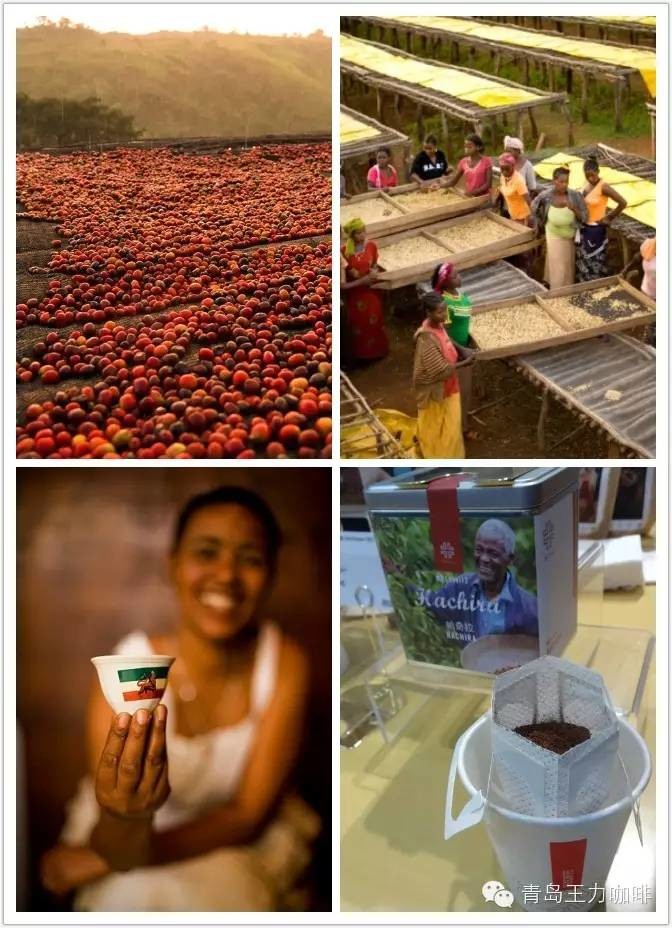
Top 10 Most Expensive Coffees: Salvadoran Pacamara Highlights
If you’ve ever wondered why certain rare coffees cost more than a dinner out, the answer lies in terroir, genetics, and meticulous processing. Among the most sought-after beans in the specialty world are those from El Salvador—especially the Pacamara variety grown at high altitudes on volcanic soils. These aren’t your average supermarket beans. They’re the result of decades of agricultural decisions, unique breeding, and microclimates that few places on Earth can replicate.
The most expensive and celebrated coffee in this category is the Salvadoran Pacamara, particularly from the Finca Ataisi estate. Grown at 1,800 meters above sea level with volcanic soil and shade-grown practices, this coffee regularly scores above 89 points and is sought after by specialty roasters globally.
Why Salvadoran Coffee Stands Apart
El Salvador may be the smallest and most densely populated country in Central America, but it boasts one of the highest concentrations of volcanoes—over 20 in a small land area. This volcanic soil, combined with high altitudes between 900–1,500 meters, creates near-perfect conditions for coffee cultivation. The country’s mountainous terrain and microclimates have helped preserve traditional coffee varieties like Bourbon and Typica, avoiding the trend toward high-yield but less distinctive hybrids seen in other regions.
Historically, El Salvador was once the world’s fourth-largest coffee producer. Decades of civil unrest nearly destroyed its coffee industry—but also inadvertently protected it. While other countries adopted sun-grown, high-density cultivation methods, Salvadoran farmers maintained shaded farms with traditional Bourbon and Typica varieties. That isolation preserved unique cup profiles and allowed rare crosses, like Pacamara, to shine.
What Makes Pacamara So Special?
Pacamara is not a naturally occurring coffee plant. It’s a man-made hybrid, first developed in the 1950s in El Salvador by crossing Pacas—a natural mutation of Bourbon known for its bright cup—with Maragogype, the famous giant bean also called Elephant Bean. The goal was to create a coffee that combined the refined cup quality of Pacas with the impressive size and body of Maragogype.
The result was a success: Pacamara beans are typically 17–18 mesh or larger, with an average length of 1.03 cm (compared to 0.8–0.85 cm for standard beans) and a thickness of 0.37 cm. These physical traits contribute to a fuller mouthfeel. More importantly, the flavor profile is vibrant and complex. Expect bright, dynamic acidity—sometimes reminiscent of fresh fruit, other times of baked goods like biscuits—along with remarkable sweetness, creamy texture, and a lingering finish.
This variety truly excels at higher altitudes and volcanic soils, with the best examples coming from El Salvador and Guatemala. Within El Salvador, the western regions near Santa Ana and the Chalatenango volcano zones dominate cupping competitions, thanks to ideal growing conditions and traditional practices.
Finca Ataisi: A Model of Traditional Excellence
One of the most respected names in Salvadoran Pacamara production is Finca Ataisi, located in the Izalco region of Sonsonate Province. Managed by Rene Martin, the estate sits at around 1,800 meters above sea level in one of the steepest and highest-altitude zones in the country. Over 90% of the farm is planted with Pacamara, making it one of the most focused single-variety farms in the world.
Martin is deeply committed to traditional farming. The estate uses almost 100% shade-grown practices, preserving natural forest cover and minimizing human intervention beyond essential pruning and irrigation. More importantly, Finca Ataisi operates its own washed processing facility. That control allows for meticulous handling—from timed fermentation to careful drying on patios—all logged with daily records of temperature and humidity to ensure consistency.
The estate’s washed Pacamara is Rainforest Alliance certified, processed as SHG (Strictly High Grown), and reflects the very best of Salvadoran high-altitude terroir.
Cup Profile: What to Expect from Finca Ataisi Washed Pacamara
This coffee isn’t just about rarity—it delivers a sensory experience. The dry fragrance offers notes of spices, passionfruit, hazelnuts, and berries. Once brewed, the wet aromas reveal more depth: nutty chocolate, tangy passionfruit, creamy undertones, and strawberry notes that carry into the finish.
On the palate, the coffee is remarkably smooth and clean. It opens with a delicate, bright acidity reminiscent of wild berries and hazelnuts, then develops into a rich mid-palate with dark fruit notes. The finish is sweet and silky, with lingering caramelized sugar and a soft, juicy aftertaste. The body is full, the crema (if brewed as espresso) velvety, and the overall balance impeccable. It’s a coffee meant for quiet appreciation, ideally brewed as a pour-over or French press to highlight its layered flavors.
Other Notable Salvadoran Coffees
Beyond Pacamara, El Salvador produces excellent coffees using other methods. For example, the Santa Rosa– or Apaneca–Illamatepec zones offer SHG coffees that may be processed as honey or natural, resulting in profiles with red wine acidity, plum, and caramelized sugar. Another notable estate, the Himalaya Estate, produces a Pacamara or Bourbon variant using a pulped natural (half-natural) process. Its cup features notes of prune, brown sugar, and red wine-like tartness—ideal for those who enjoy a fruit-forward, wine-like profile.
Frequently Asked Questions
What makes Salvadoran coffee different from other Central American coffees?
Salvadoran coffee is distinct due to its high-altitude volcanic soil, traditional shade-growing practices, and preservation of classic Bourbon and Typica varieties. While neighboring countries moved to sun-grown, high-yield varieties, El Salvador maintained older cultivars and manual farming methods, leading to more nuanced and balanced cups.
What is special about the Pacamara coffee variety?
Pacamara is a hybrid of Pacas and Maragogype, combining the bright, refined acidity of Pacas with the large bean size and full body of Maragogype. It typically features very large beans (17–18 mesh or higher), vibrant acidity, creamy mouthfeel, and complex flavors ranging from fruity to nutty.
Where is Finca Ataisi located and why is it notable?
Finca Ataisi is located in the Izalco region of Sonsonate Province, El Salvador, at around 1,800 meters altitude. It’s notable for being one of the few estates planting over 90% Pacamara, using traditional shade cultivation and operating its own washed processing facility with strict quality controls.
How should I brew Salvadoran Pacamara coffee to get the best flavor?
For the best results, brew Salvadoran Pacamara using a pour-over (like V60 or Chemex), French press, or AeroPress to highlight its bright acidity, creamy body, and complex fruit and nut notes. A medium-fine grind and water temperature around 93°C (200°F) is ideal.
Is Pacamara coffee more expensive than other types?
Yes, Pacamara coffee—especially high-scoring SHG lots from places like Finca Ataisi—is often more expensive due to limited production, labor-intensive processing, and exceptional cup quality. It’s considered a specialty-grade coffee with limited availability.
What other coffee regions in El Salvador are known for high-quality beans?
Besides the Izalco region, the Santa Ana and Chalatenango volcano zones are renowned for producing high-scoring coffees, mostly Bourbon-based, with complex acidity and balanced sweetness. These areas benefit from high altitudes and volcanic soils similar to Finca Ataisi.
Recommended FrontStreet Beans for Pacamara Fans
For those drawn to the bold character of Salvadoran Pacamara, FrontStreet Coffee offers several excellent options. Their Ethiopia Huakui (Yirgacheffe) delivers bright floral tones, juicy berries, and a tea-like body—perfect for fans of complex acidity. The Colombia Sidra brings tropical fruit, grapefruit, and honey sweetness with a silky mouthfeel, ideal for pour-over lovers. Finally, the Panama Huacai (Geisha) highlights jasmine, bergamot, and stone fruit—showcasing the same elegant complexity found in top Pacamara lots. Freshly roasted within 5 days · Orders placed before 17:00 ship the same day · Next-day delivery across most of Guangdong Province.
FrontStreet Coffee is a long-established specialty coffee roaster in Guangzhou China, selling freshly roasted beans from its own farm in Yunnan as well as dozens of carefully selected single-origin beans from around the world for both pour-over and espresso. The products deliver consistently excellent quality and great value, with shipping within 24 hours. Guangzhou's FrontStreet Coffee shop is recommended by many coffee lovers, and the beans are now available online at the Tmall 。
Important Notice :
前街咖啡 FrontStreet Coffee has moved to new addredd:
FrontStreet Coffee Address: 315,Donghua East Road,GuangZhou
Tel:020 38364473