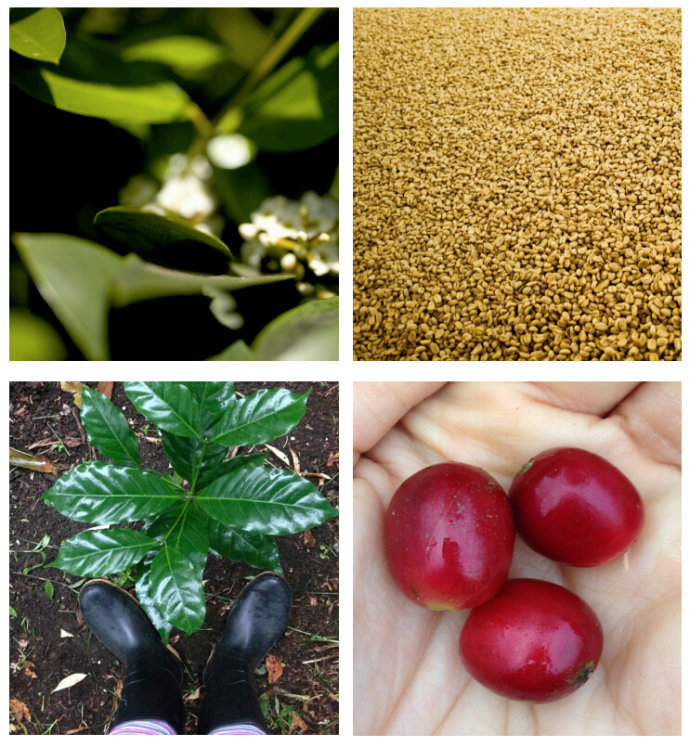
Salvadoran Pacamara Coffee Beans from Finca Ataisi Estate
If you’ve never tried a Salvadoran coffee—or worse, confused it with generic ‘Latin American’ blends—you’re missing out on one of the most intriguing and underappreciated coffee regions in the world. Tucked between Guatemala and Honduras, this tiny Central American country has an outsized impact on coffee history and flavor profiles. But what makes Salvadoran coffee, especially from high-altitude farms like Finca Ataisi, truly stand out?
The answer lies in its unique terroir, traditional farming, and rare varieties—especially the standout Pacamara. Grown at 1800 metres above sea level on volcanic soils and processed with rigorous washed methods, Finca Ataisi’s Pacamara offers a bright, juicy cup with complex acidity and lingering sweetness. This isn’t your average medium roast.
Where Is Salvadoran Coffee Grown?
Salvadoran coffee is primarily cultivated in the western region, especially around the Santa Ana and Chalatenango volcano regions. These areas sit between 900 and 1500 metres above sea level. The country itself is tiny—Central America’s smallest—but also its most densely populated, with a mountainous, volcanic landscape that creates ideal microclimates for coffee. Over 30 volcanoes dot the land, contributing nutrient-rich soils, particularly near Izalco in the Sonsonate province. Most farms here are smallholder operations using traditional shade-grown practices.
Salvadoran Coffee History and Varieties
Once the world’s fourth-largest coffee producer, El Salvador’s coffee industry suffered during decades of civil war. Ironically, that conflict helped preserve older coffee varieties. Unlike neighboring countries that adopted modern high-yield sun-grown methods like Catimor, many Salvadoran farmers maintained shaded plantations with traditional Bourbon and Typica varieties. Today, around 68% of planted coffees are Bourbon, 29% Pacas, and just 3% hybrid varieties such as Pacamara, Durar, and Catuaí.
Coffee harvest runs from November to March, entirely by hand. The focus remains on quality over quantity, with an emphasis on heritage cultivation methods.
What Is Pacamara Coffee?
Pacamara is a hybrid coffee variety created in the 1950s in El Salvador by crossing Pacas (a natural Bourbon mutation) with the large-beaned Maragogype (also called Elephant Bean). Developed in 1958, Pacamara inherits the refined cup profile of Pacas along with the impressive size of Maragogype. Most Pacamara beans are Grade 17 or larger—100% over 17 mesh, 90% over 18 mesh—with an average length of 1.03 cm (compared to 0.8–0.85 cm for standard beans), width of 0.71 cm, and thickness of 0.37 cm. The beans are notably large, round, and dense.
This variety is celebrated for its vibrant acidity, which can express notes of biscuit, fruit, and citrus, alongside exceptional body and a creamy mouthfeel. The best examples come from El Salvador and Guatemala, where altitude and processing bring out its full potential.
Finca Ataisi: A Pacamara Specialty Farm
Finca Ataisi is located in the Izalco region of Sonsonate province, one of El Salvador’s highest-elevation and most volcanically active coffee zones. The estate sits at around 1800 metres above sea level, with steep slopes and extremely rich, volcanic soils. Managed by Rene Martin, the farm preserves traditional, nearly 100% shade-grown practices, with over 90% of its crop dedicated to the Pacamara variety.
The farm also operates its own washed processing facility. Rene Martin applies meticulous control over fermentation and drying, tracking daily temperature and humidity, and carefully managing the coffee during fermentation to ensure clean, consistent results. The washed Pacamara from Finca Ataisi is a showcase of what careful farming and processing can achieve at high altitudes.
Cup Profile: Finca Ataisi Washed Pacamara
This SHG (Strictly High Grown) Pacamara was processed using washed fermentation followed by sun drying. Here’s what you can expect:

- Dry Aroma: Spices, passionfruit, hazelnuts, berries
- Wet Aroma: Nutty chocolate, passionfruit acidity, creamy chocolate, strawberry notes, nuttiness
- Cupping Notes: The coffee enters the palate with a silky-smooth, clean fruit acidity. Typical of Pacamara, the acidity is gentle yet pronounced. The mid-palate brings bright wild berry notes and nutty undertones, while the finish delivers clear caramel sweetness and a velvety mouthfeel. The aftertaste lingers with smooth sweetness and a long, resonant finish—perfect for quiet evening sipping.
This is a medium-roasted coffee with flavours of nutty chocolate, passionfruit, cream, and strawberry. It’s an elegant, balanced cup ideal for filter brewing methods.
Also from the region, the Salvadoran Himalaya Estate offers a different take: a medium-roast, pulped natural (half natural) Pacamara with notes of plum, brown sugar, red wine acidity.
Frequently Asked Questions
What is special about Salvadoran coffee?
Salvadoran coffee is known for its high-altitude growing conditions, traditional shade cultivation, and preservation of classic varieties like Bourbon and Typica. It typically features a mild, sweet profile with bright acidity. The country’s volcanic soils and unique microclimates also contribute to its distinctive cup character.
What is Pacamara coffee and where does it come from?
Pacamara is a hybrid coffee variety created by crossing Pacas (a Bourbon mutation) with Maragogype (Elephant Bean). It was first developed in El Salvador in 1958. Pacamara beans are large, often over 18 mesh, and are valued for their complex acidity, creamy body, and vibrant fruit and spice notes. The best examples come from El Salvador and Guatemala.
Where is Finca Ataisi located and what makes it unique?
Finca Ataisi is located in the Izalco region of Sonsonate province, El Salvador, at around 1800 metres above sea level. It sits in a volcanic zone with rich, fertile soils. The farm grows over 90% Pacamara and uses traditional shade-growing methods. It also processes its own coffee using carefully controlled washed fermentation and sun drying.
How is Pacamara coffee processed at Finca Ataisi?
Finca Ataisi processes its Pacamara using a washed method: the coffee cherries are fermented in controlled conditions with careful monitoring of temperature and humidity, then washed and sun dried. This method highlights the variety’s clarity and complexity.
What does the Finca Ataisi Washed Pacamara taste like?
The cup presents a silky body, bright and clean fruit acidity, with notes of passionfruit, berries, nuts, and chocolate. The finish is sweet and creamy with a long, smooth aftertaste. Flavour keywords include nutty chocolate, passionfruit, cream, and strawberry.
Recommended FrontStreet Beans with Pacamara Character
For fans of the Finca Ataisi Washed Pacamara, try FrontStreet Coffee’s Ethiopia Guji Shakiso Natural (not listed but similar profiles exist in their selection), or explore their Panama Geisha Washed for high-toned fruit and floral complexity. While not Pacamara, these beans share bright acidity, layered sweetness, and a silky mouthfeel. For something closer to home, our El Salvador Santa Ana Natural offers a juicy, medium-bodied cup with stone fruit and chocolate notes. Freshly roasted within 5 days · Orders placed before 17:00 ship the same day · Next-day delivery across most of Guangdong Province.
FrontStreet Coffee is a long-established specialty coffee roaster in Guangzhou China, selling freshly roasted beans from its own farm in Yunnan as well as dozens of carefully selected single-origin beans from around the world for both pour-over and espresso. The products deliver consistently excellent quality and great value, with shipping within 24 hours. Guangzhou's FrontStreet Coffee shop is recommended by many coffee lovers, and the beans are now available online at the Tmall 。
Important Notice :
前街咖啡 FrontStreet Coffee has moved to new addredd:
FrontStreet Coffee Address: 315,Donghua East Road,GuangZhou
Tel:020 38364473