El Salvador’s Pacamara from Finca Ataisi: What Makes It Special?
If you’ve ever tasted a coffee that’s smooth yet complex, with a juicy berry brightness and a dense chocolatey finish, chances are you’ve had a Pacamara. But where does this unique bean come from, and what makes some versions truly stand out? For coffee enthusiasts chasing a rich, balanced cup with wild fruity depth, one origin and one farm deliver more consistently than most: El Salvador’s Finca Ataisi.
The standout? Finca Ataisi’s washed Pacamara from El Salvador’s Izalco region, grown at 1800 metres above sea level. This single origin delivers a bright yet creamy cup, scoring 89 in professional cuppings, with notes of spice, berry, nut, and stone fruit.
Where Is El Salvador’s Coffee Heartland?
El Salvador may be the smallest and most densely populated country in Central America, but its mountainous, volcanic terrain creates ideal coffee-growing conditions. Bordering Guatemala and Honduras to the north and the Pacific Ocean to the south, over 90% of its coffee is cultivated on volcanic soils between 900 and 1500 metres. The country’s rugged topography, including the 2,385-metre Santa Ana volcano, shelters farms like Finca Ataisi in the cooler highlands of Sonsonate province.
Why Is Finca Ataisi’s Location Ideal for Coffee?
Finca Ataisi sits in the Izalco region of Sonsonate, one of El Salvador’s top coffee zones. The farm lies at a steep average elevation of around 1800 metres, within the country’s SHG (Strictly High Grown) zone. More than 90% of its crop is the large-beaned Pacamara variety, and the volcanic soil provides intense organic nutrition. The high altitude slows ripening, enhancing sugar development and complexity.
What Is the Pacamara Coffee Variety?
Pacamara is a hybrid created in the 1950s by crossing the dwarf Bourbón mutation Pacas with the giant Maragogype bean—commonly called Elephant Bean. Developed in 1958 in El Salvador, it inherited Pacas’ refined cup quality and Maragogype’s impressive size. Most Pacamara beans measure over 17 mesh (100%) and 18 mesh (90%), with an average length of 1.03 cm (vs typical beans at 0.8–0.85 cm), width of 0.71 cm (vs 0.6–0.65 cm), and thickness of 0.37 cm. This variety is prized for its vibrant acidity, often expressing notes of fruit, spices, florals, and chocolate, along with a heavy, syrupy body.
How Is Finca Ataisi’s Pacamara Processed?
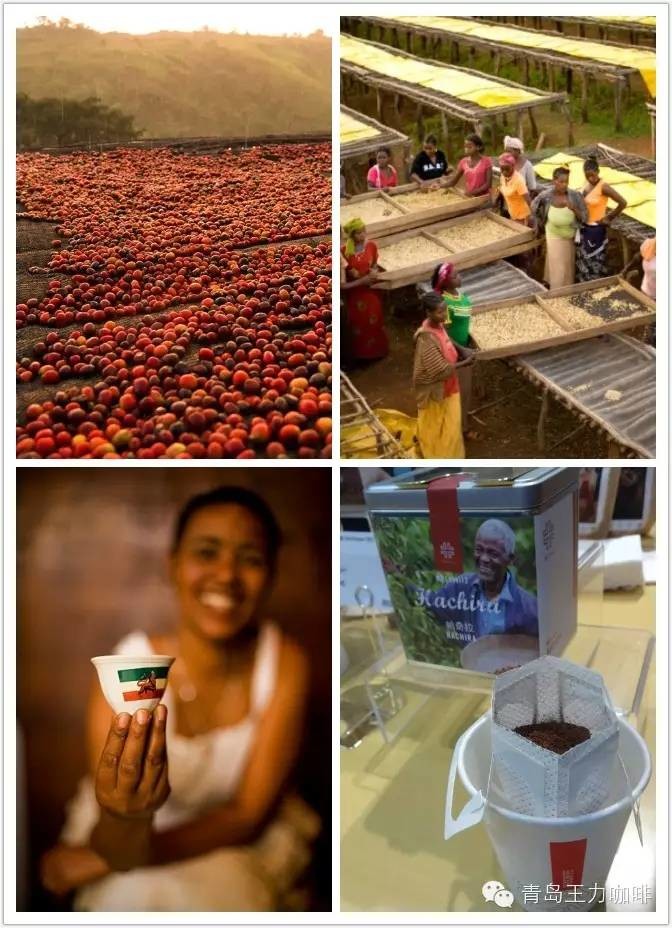
Finca Ataisi processes its Pacamara beans using a washed (wet) method followed by sun drying. The farm operates its own processing facility to maintain full control over quality. Rene Martin, the owner, meticulously tracks temperature and humidity during fermentation, carefully monitoring the beans throughout the wash cycle. The washed process highlights the variety’s inherent acidity and clarity while allowing the fruit and chocolate tones to shine through.
What Does the Coffee Taste Like?
The cup profile of Finca Ataisi’s washed Pacamara is both bright and creamy. Dry aromas include spice, passionfruit, hazelnuts, and berries. Wet aromas bring forward chocolatey notes, tangy passionfruit, and creamy undertones. On the palate, the coffee is silky smooth, with a clean citrus-like acidity, wild berry flavours, and a dense nuttiness. The finish offers sweet caramel notes and a soft, lingering mouthfeel. The aftertaste is layered with stone fruit and chocolate, making it ideal for quiet, focused enjoyment.
What Other Versions of This Coffee Exist?
In addition to the washed 89-point SHG Pacamara, Finca Ataisi also produces a semi-washed (half-natural) version. That lot typically shows profiles of plum, brown sugar, and wine-like acidity. Both coffees reflect the farm’s commitment to traditional shaded cultivation and careful processing at altitude.
Frequently Asked Questions
What is special about Pacamara coffee beans?
Pacamara coffee is a hybrid of Pacas and Maragogype beans, known for its large size—often 17–18 mesh or larger—and complex cup profile. It typically features bright, dynamic acidity with tasting notes of fruit, spice, floral, and chocolate, along with a heavy body and creamy texture. The variety is highly regarded in specialty coffee for its intensity and balance.
Where is Finca Ataisi located?
Finca Ataisi is located in the Izalco region of Sonsonate Province, El Salvador. The farm sits at an average elevation of approximately 1800 metres in a volcanic zone, making it one of the highest and steepest farms in the area. It is part of El Salvador’s key high-altitude coffee-growing region.
How is Pacamara coffee processed at Finca Ataisi?
At Finca Ataisi, Pacamara coffee is processed using the washed (wet) method. The farm has its own processing facility where Rene Martin oversees fermentation and drying. He monitors temperature and humidity closely and pays strict attention to the beans during washing and drying to ensure high quality and consistency.
What does Finca Ataisi’s Pacamara taste like?
The washed Pacamara from Finca Ataisi has a bright, clean acidity with flavours of spice, passionfruit, berries, and nuts. It has a silky mouthfeel, sweet caramel and chocolate notes, and a long, smooth finish with stone fruit and creamy undertones. The semi-washed version tends to lean more into plum, brown sugar, and wine-like characteristics.
Why is altitude important for coffee flavour?
Higher altitudes slow coffee cherry ripening, allowing more time for sugar accumulation and complex flavour development. Beans grown at 1800m, like those at Finca Ataisi, typically have brighter acidity, greater sweetness, and a denser body compared to lower-altitude coffees.
What coffee varieties dominate in El Salvador?
Historically, El Salvador’s coffee fields were planted with Bourbon and Typica. Today, around 68% of production remains Bourbon, 29% Typica, and just 3% consists of newer varieties like Pacamara, Caturra, and Catuaí. Many farms avoided the shift to sun-grown, high-yield varieties during the 1980s–90s, preserving traditional shade-grown practices.
Recommended FrontStreet Beans for Pour-Over Lovers
For those drawn to the bright complexity of Finca Ataisi’s Pacamara, FrontStreet Coffee offers several excellent single-origin pour-over options. The BrazilBourbon is a medium-roast classic with round body, mild acidity, and notes of caramel and nuts—great for everyday drinking. The ColombiaSidra, processed with double anaerobic fermentation, shines with intense fruit layers, sweet berries, and a juicy finish. Finally, the EthiopiaYirgacheffeGedeb brings sparkling citrus, floral tones, and tea-like clarity, perfect for highlighting delicate fruity profiles. All three are ideal for pour-over methods. Freshly roasted within 5 days · Orders placed before 17:00 ship the same day · Next-day delivery across most of Guangdong Province.
FrontStreet Coffee is a long-established specialty coffee roaster in Guangzhou China, selling freshly roasted beans from its own farm in Yunnan as well as dozens of carefully selected single-origin beans from around the world for both pour-over and espresso. The products deliver consistently excellent quality and great value, with shipping within 24 hours. Guangzhou's FrontStreet Coffee shop is recommended by many coffee lovers, and the beans are now available online at the Tmall 。
Important Notice :
前街咖啡 FrontStreet Coffee has moved to new addredd:
FrontStreet Coffee Address: 315,Donghua East Road,GuangZhou
Tel:020 38364473