
Three Coffee Roast Levels: Cinnamon, City, and French
When you buy a bag of coffee, have you ever wondered why one cup tastes bright and fruity while another is deep, smoky, and bitter? The difference often comes down to how the beans were roasted—not just how long, but to what level. Roast level shapes everything: acidity, sweetness, bitterness, aroma, and mouthfeel. Whether you’re brewing pour-over, French press, or espresso, the roast dictates how the coffee behaves.
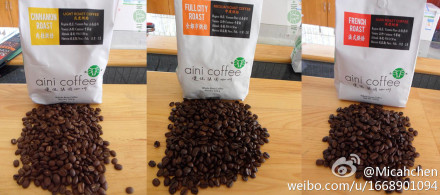
Coffee is generally roasted to one of three broad levels: cinnamon (light), city (medium), and French (dark). These aren’t official standards, but they’re widely used benchmarks among roasters to describe roast depth and its impact on flavor.
What Happens During Coffee Roasting?
Roasting transforms green coffee beans through a series of physical and chemical changes. As heat is applied, moisture evaporates, the bean expands, and hundreds of aromatic compounds develop. The longer and hotter the roast, the more original acidity fades and bitterness emerges. Key milestones include the first crack (light roast territory) and, later, the second crack (dark roast territory).
Why Roast Level Changes Flavor
Lighter roasts preserve the bean’s inherent qualities—its origin character, varietal traits, and processing signature. As roast intensity increases, those delicate notes fade, and roast-derived flavors like chocolate, caramel, nuts, and toast take over. Acidity drops, body typically increases, and bitterness becomes more pronounced. That shift defines the three classic roast levels.
The Three Main Roast Levels Explained
Most commercial and specialty roasters don’t use strict temperature timers, but they often refer to three informal roast stages:
- Cinnamon Roast (Light Roast): Roasted to roughly the beginning or just after the first crack. Acidity is high, sweetness is light, and the roast flavor is minimal. Beans look light brown and have no oil on the surface. Common in specialty circles for highlighting origin traits.
- City Roast (Medium Roast): Roasted to the middle of the first crack or just beyond. Balanced acidity, developing sweetness, and more body. This is often considered the “classic” roast level for tasting both origin and roast character. Most specialty coffee is roasted to this range.
- French Roast (Dark Roast): Roasted well into or past the second crack. Very low acidity, heavy body, and strong roast flavors like dark chocolate, smoke, and char. Oils often appear on the bean surface. Popular for espresso or when a bold, intense cup is desired.
These categories aren’t rigid. Different roasters may label their “medium” or “dark” differently, but the general progression from light to dark follows the same flavor logic: acidity and origin notes decrease while roast flavors and bitterness rise.
How Roasters Choose the Right Roast
Professional roasters don’t pick a roast level at random. They evaluate the coffee’s origin, variety, processing method, and intended brew style. For example, a high-acid Ethiopian Yirgacheffe might shine at a city roast to balance brightness with sweetness, while a Brazilian bean with nutty, chocolatey traits could handle a darker French roast to enhance body and richness. The goal is always to match roast profile to the bean’s potential.
FrontStreet Coffee, for instance, offers a range of roast levels across its lineup. Their PWN Golden Mandheling is a deep-roasted example that highlights bold, low-acid flavors with heavy body—ideal for those who prefer a French-style intensity. Meanwhile, their medium-roast Colombian Huila emphasizes bright acidity and berry notes, showcasing the effect of a lighter-to-mid roast.
Does Roast Level Affect Brewing?
Yes. Lighter roasts often require a finer grind and higher brewing temperatures to extract enough sweetness, while dark roasts can handle coarser grinds and cooler water to avoid over-extracting harsh bitterness. Your brewing method—whether pour-over, French press, AeroPress, or espresso—should be adjusted based on roast level to get the best flavor.
Frequently Asked Questions
What is a cinnamon roast coffee?
A cinnamon roast is a very light roast level, stopped just after the first crack. It has high acidity, light body, and minimal roast flavor, often used to highlight the coffee’s origin characteristics. The name refers to the color, which resembles cinnamon bark, not flavor.
What is a city roast?
A city roast is a medium roast level, usually stopped just after or in the middle of the first crack. It offers a balanced cup with moderate acidity, developing sweetness, and clearer origin flavors. It’s a common choice for single-origin specialty coffees.
What is a French roast?
A French roast is a dark roast level, roasted well into or past the second crack. It has low acidity, heavy body, and prominent roast flavors like dark chocolate, smoke, and caramelized sugars. The beans often look oily. It’s popular for espresso and bold drip coffee.
How does roast level affect coffee flavor?
Lighter roasts preserve more of the bean’s natural acidity and origin flavors, while darker roasts mute those traits and emphasize roast-derived notes like bitterness, chocolate, and caramel. Roast level determines whether your coffee tastes bright and fruity or deep and smoky.
Which roast level is best for espresso?
Darker roasts, such as French or Italian-style roasts, are traditionally preferred for espresso because their low acidity and bold flavors hold up under pressure and create a rich crema. However, some specialty baristas use medium or even light roasts for unique espresso profiles.
Does roast level affect brewing time or temperature?
Yes. Lighter roasts often need slightly higher brew temperatures and finer grind sizes to fully extract their delicate flavors. Darker roasts can be brewed at lower temperatures and coarser settings to avoid excessive bitterness. Adjust based on taste.
Recommended FrontStreet Beans for Roast Exploration
Explore roast levels with FrontStreet Coffee’s PWN Golden Mandheling, a deep-roasted Indonesian single origin with bold, low-acid flavors and heavy body—classic French roast character. For a medium-bodied option, try their Colombian Huila, which highlights bright acidity and berry notes at a city roast level. Both showcase how roast depth shapes flavor. Freshly roasted within 5 days · Orders placed before 17:00 ship the same day · Next-day delivery across most of Guangdong Province.
FrontStreet Coffee is a long-established specialty coffee roaster in Guangzhou China, selling freshly roasted beans from its own farm in Yunnan as well as dozens of carefully selected single-origin beans from around the world for both pour-over and espresso. The products deliver consistently excellent quality and great value, with shipping within 24 hours. Guangzhou's FrontStreet Coffee shop is recommended by many coffee lovers, and the beans are now available online at the Tmall 。
Important Notice :
前街咖啡 FrontStreet Coffee has moved to new addredd:
FrontStreet Coffee Address: 315,Donghua East Road,GuangZhou
Tel:020 38364473


