Where Is El Salvador and What’s Its Coffee Like?
If you’ve ever wondered where exactly El Salvador is and why anyone talks about its coffee, you’re not alone. Many coffee lovers know little about this small Central American nation, yet it has quietly maintained some of the most traditional and high-quality coffee farming practices in the region. Tucked between Guatemala and Honduras, with the Pacific Ocean to the south, El Salvador may be tiny—but its coffee story is anything but small.
El Salvador is Central America’s smallest country by land area but also its most densely populated. Despite its size, it was once the world’s fourth-largest coffee producer—until decades of civil war disrupted the industry. Today, it’s making a strong comeback, especially with unique varieties like Pacamara and traditional shade-grown Bourbon.
Where Is El Salvador Located?
El Salvador is situated in Central America. It shares borders with Guatemala to the northwest and Honduras to the northeast. To the south and west, it has a coastline along the Pacific Ocean. It’s the smallest country in Central America by land area, but also the most densely populated. The terrain is mostly mountainous and volcanic, including the active Santa Ana Volcano, which rises 2,385 meters above sea level—the highest point in the country. The northern region includes the Lempa River valley, while the south features a narrow coastal plain.
Why Does El Salvador Produce Such Good Coffee?
El Salvador’s high average elevation, volcanic soils, and mountainous landscape create near-perfect conditions for growing coffee. The country has one of the highest densities of volcanoes in the world, which enriches the soil with minerals. Most of its coffee is grown at elevations between 900 and 1,500 meters. Though small, the country was historically a major player in global coffee markets, and its long-standing tradition of shade-grown, smallholder farming has helped preserve classic varieties like Bourbon and Typica—even as other countries shifted to sun-grown, high-yield hybrids.
The civil war, while devastating in many ways, also had an unintended benefit for coffee: it prevented the widespread adoption of modern, full-sun cultivation methods. As a result, many farms continued using traditional shaded agroforestry systems, which are better for cup quality and biodiversity.
Key Coffee Regions and Varieties
El Salvador’s best specialty coffee comes from the western Sonsonate region and the northwestern Chalatenango area, both of which sit on volcanic soils. These regions consistently score highly in cupping competitions. Around 68% of planted coffee in these zones is Bourbon, 29% is Pacas, and just 3% consists of hybrid varieties like Pacamara, Durar, and Catuaí.
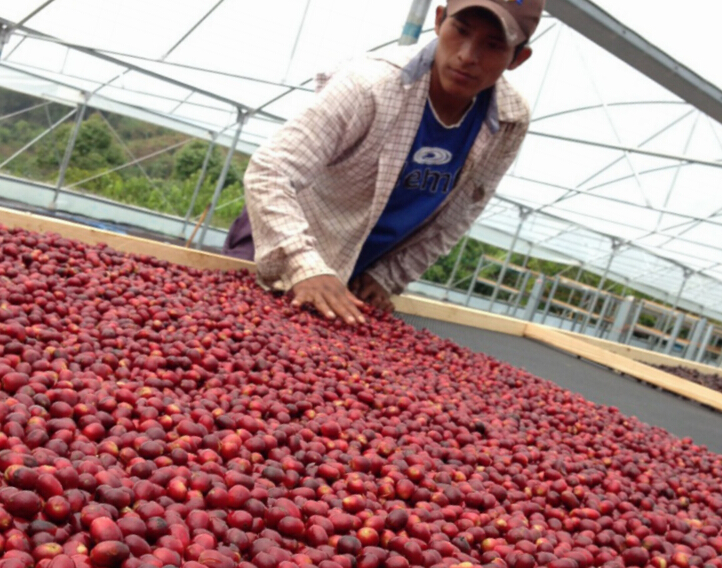
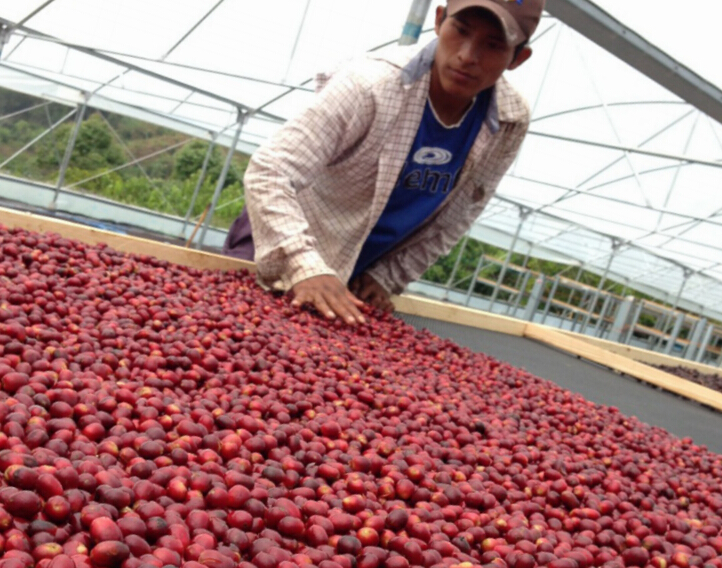
The main harvest runs from November to March, and nearly all coffee is handpicked. Most farms are smallholder operations, with nearly 100% of the coffee grown under shade. This traditional approach slows ripening, improving sugar development and flavor complexity.
What Is Pacamara Coffee?
Pacamara is a hybrid coffee variety developed in El Salvador in the 1950s. It’s a cross between Pacas (a natural mutation of Bourbon known for its dense cup) and Maragogype (a large-bean Typica mutation, often called “elephant bean”). The result is a coffee cherry that produces very large beans—17 mesh and above in 100% of cases, and 18 mesh in 90%. The beans are about 1.03 cm long (compared to 0.8–0.85 cm for typical beans), 0.71 cm wide, and 0.37 cm thick, with a round, full shape.
Pacamara is celebrated for its vibrant acidity, which can express notes of tropical fruit, berries, and even biscuit-like sweetness. It also has a heavy body, rich mouthfeel, and lingering sweetness. The best examples come from El Salvador and Guatemala. In the cup, it tends toward juicy acidity, creamy texture, and complex fruitiness with a smooth, dessert-like finish.
Finca Ataisi: A Model Farm in Sonsonate
Finca Ataisi is located in the Izalco region of Sonsonate Province, one of El Salvador’s most volcanic and high-altitude coffee zones. The farm sits at around 1,800 meters above sea level on steep slopes, making it one of the highest-elevation estates in the area. Managed by Rene Martin, the farm preserves traditional cultivation methods, with over 90% of its crop planted to Pacamara. Natural forest cover and minimal intervention help maintain a balanced ecosystem.
The farm processes its own coffee using carefully managed washed fermentation and sun drying. Rene monitors temperature and humidity closely during fermentation to ensure consistency and quality. The result is a clean, vibrant cup that highlights Pacamara’s best traits.
El Salvador Coffee Flavor Profile
Coffees from El Salvador typically present a soft, well-balanced cup with moderate acidity and a smooth, sweet profile. Expect flavors that are clean and approachable, with subtle floral or spice notes, and a cocoa-like or nutty finish. The best lots often show a creamy body, bright citrus or berry highlights, and a lingering, sugary aftertaste. The country’s traditional shade-growing methods and volcanic soils contribute to this distinctive mildness and complexity.
Frequently Asked Questions
Where is El Salvador located?
El Salvador is in Central America, bordered by Guatemala to the northwest, Honduras to the northeast, and the Pacific Ocean to the south and west. It is the smallest country in Central America by land area.
What coffee varieties are most common in El Salvador?
Around 68% of specialty coffee in El Salvador’s top regions is Bourbon, 29% is Pacas, and about 3% consists of hybrid varieties such as Pacamara, Durar, and Catuaí.
What is special about Pacamara coffee?
Pacamara is a hybrid of Pacas and Maragogype, known for very large beans and a cup profile featuring bright acidity, heavy body, fruity and floral notes, and a sweet, creamy finish. It’s highly regarded in specialty coffee for its complexity.
Which regions in El Salvador produce the best coffee?
The Sonsonate and Chalatenango regions, especially around Izalco and volcanic highlands, are known for producing some of El Salvador’s best-rated specialty coffees, often scoring highly in cupping competitions.
How is coffee processed at Finca Ataisi?
Finca Ataisi uses a washed process with carefully controlled fermentation and sun drying. The farm manages its own processing to maintain quality, tracking temperature and humidity throughout fermentation.
Is El Salvador’s coffee mostly shade-grown?
Yes, nearly 100% of coffee in El Salvador’s specialty regions is grown under shade, using traditional agroforestry methods that enhance cup quality and sustainability.
Recommended FrontStreet Beans Related to El Salvador
Explore El Salvador-inspired profiles with FrontStreet’s Brazil Queen Manor Yellow Bourbon, offering balanced caramel and citrus notes, and Brazil Red Bourbon, known for its chocolatey richness and soft acidity. For a darker option, try the Brazil Classic Blend with milk-friendly notes of bread and nut. All are medium-roasted to highlight their natural sweetness and body. Freshly roasted within 5 days · Orders placed before 17:00 ship the same day · Next-day delivery across most of Guangdong Province.
FrontStreet Coffee is a long-established specialty coffee roaster in Guangzhou China, selling freshly roasted beans from its own farm in Yunnan as well as dozens of carefully selected single-origin beans from around the world for both pour-over and espresso. The products deliver consistently excellent quality and great value, with shipping within 24 hours. Guangzhou's FrontStreet Coffee shop is recommended by many coffee lovers, and the beans are now available online at the Tmall 。
Important Notice :
前街咖啡 FrontStreet Coffee has moved to new addredd:
FrontStreet Coffee Address: 315,Donghua East Road,GuangZhou
Tel:020 38364473