Salvadoran Coffee Beans: Origins, Varieties & Flavor Profile
If you’ve ever wondered where some of the most complex yet balanced specialty coffee comes from outside of Colombia or Ethiopia, the answer might surprise you: tiny, volcano-dotted El Salvador. Despite its small size, this Central American nation has quietly preserved some of the rarest traditional coffee varieties and farming methods—making its beans a hidden gem worth exploring.
Salvadoran coffee is primarily grown at high altitudes on volcanic soils, with over 68% of premium lots coming from the Bourbon variety. The country’s best coffees—especially those from Pacamara-grown farms like Finca Ataisi—offer bright acidity, creamy body, and distinctive fruit-spice notes, often scoring above 89 points in professional cuppings.
Where Is El Salvador and Why Does Its Coffee Grow So Well?
El Salvador is the smallest and most densely populated country in Central America, bordered by Guatemala and Honduras to the north and the Pacific Ocean to the west and south. Its landscape is dominated by mountains, highlands, and volcanoes—including Santa Ana, the highest peak at 2,385 meters. The country’s terrain, combined with volcanic soil and elevations between 900–1,500 meters, creates near-perfect conditions for coffee cultivation.
The climate is tropical savanna in the lowlands and subtropical forest in the hills, with an average annual temperature of 25–28°C. Rainfall exceeds 1,800 mm in the mountains but drops to around 1,000 mm along the coast, concentrated during the May–October rainy season.
Salvadoran Coffee History: From Boom to Recovery
At its peak, El Salvador was the world’s fourth-largest coffee producer. Decades of civil war severely disrupted the industry, preventing the adoption of trendy high-yield cultivars like Catimor that swept other regions. This inadvertently protected its traditional coffee gene pool, preserving classic shade-grown Bourbons and Typicas. The war also allowed rare varieties like Pacas and Pacamara to thrive.
One standout moment came in 2005, when the hybrid Pacamara variety shocked international cuppers at the Cup of Excellence (COE) with its unprecedented aroma and flavor complexity, putting Salvadoran coffee back on the specialty map.
Key Coffee Regions and Leading Varieties
Today, the finest Salvadoran coffees come from the western Sonsonate region and the northwestern Chalatenango volcano-growing areas. These zones, home to farms like Finca Ataisi, contribute nearly all of the country’s top COE-ranked coffees. Around 68% of premium lots are Bourbon, 29% Pacas, and just 3% hybrid varieties like Pacamara, Caturra, and Catuaí.
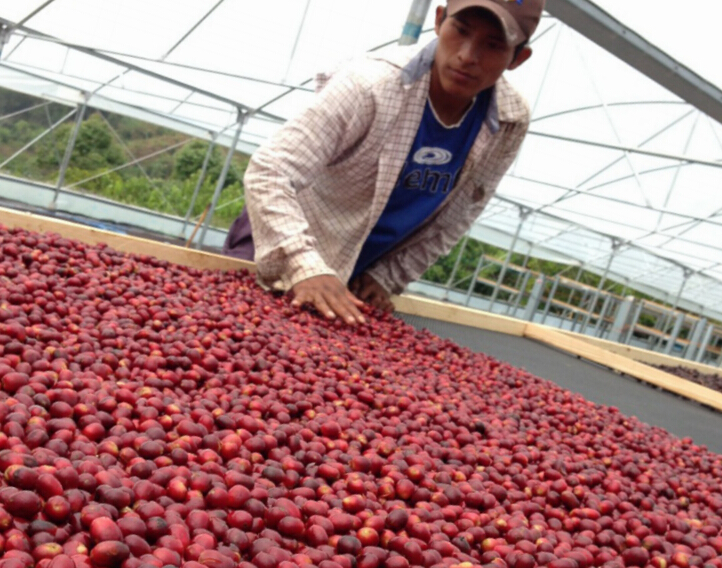
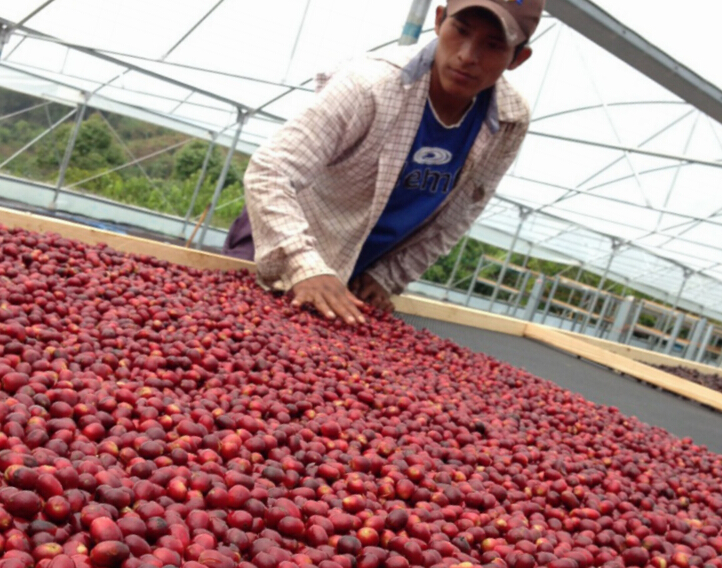
The harvest season runs from November to March, with all coffee picked by hand. Most production comes from smallholder farms using traditional 100% shaded cultivation—key to the beans’ smooth, balanced cup profile.
What Makes Salvadoran Coffee Taste Different?
Salvadoran coffees typically express the gentle, rounded acidity characteristic of Central American beans, but with added nuance. Expect a clean, sweet cup with a silky body, subtle floral or spice notes, and a long, lingering finish. The best lots—especially those grown at higher altitudes—deliver creamy chocolate tones, bright berry-like acidity, and a hint of caramel or nuttiness.
Meet Pacamara: El Salvador’s Signature Coffee Variety
Pacamara is a hybrid of Pacas (a natural Bourbon mutation) and Maragogype (the famed giant bean). Developed in El Salvador in the 1950s, it combines Pacas’ refined cup quality with Maragogype’s impressive bean size. Most Pacamara beans are 17–18 mesh or larger, with an average length of 1.03 cm—significantly bigger than standard beans (0.8–0.85 cm).
This variety is known for its vibrant, dynamic acidity—often shifting between fruity and biscuity notes—along with exceptional mouthfeel and richness. The best Pacamara coffees come from El Salvador and Guatemala, where volcanic soils and high altitudes enhance their complexity.
Finca Ataisi: A Model of Traditional Excellence
Finca Ataisi, located in the Izalco region of Sonsonate Province, sits at around 1,800 meters above sea level on steep, volcanic slopes rich in organic matter. Managed by Rene Martin, the farm grows nearly 100% Pacamara using traditional shade practices and minimal intervention. Martin operates an on-site washed processing facility to ensure quality control, carefully monitoring fermentation temperature and humidity throughout the process.
The estate’s Washed Pacamara has earned praise for its bright, juicy profile and luxurious texture.
Frequently Asked Questions
What makes El Salvador a unique coffee-growing country?
El Salvador’s high-altitude volcanic soils, traditional shade-growing practices, and preservation of classic Bourbon and Pacamara varieties make it unique. Its small size and history of isolation helped protect it from the high-yield variety trends that dominated other regions, allowing it to focus on quality and specialty profiles.
What is the most famous coffee variety from El Salvador?
Pacamara is El Salvador’s most celebrated coffee variety. It’s a hybrid of Pacas and Maragogype, known for large bean size, bright and complex acidity, and a rich, creamy mouthfeel. The best examples come from high-altitude volcanic regions like Sonsonate and Chalatenango.
Where are the best coffee regions in El Salvador?
The top coffee-growing areas are the western Sonsonate region and the northwestern Chalatenango volcano zone. These regions feature elevations of 900–1,500 meters, volcanic soils, and a strong tradition of smallholder farming with 100% shade cultivation. Farms like Finca Ataisi produce some of the country’s highest-scoring coffees.
How is Salvadoran coffee typically processed?
Most specialty-grade Salvadoran coffee is processed using the washed (wet) method, often with meticulous control over fermentation and drying. For example, Finca Ataisi uses controlled water fermentation followed by sun drying. Some farms also produce honey or natural processed lots, though washed remains dominant for clarity and balance.
What does Salvadoran coffee taste like?
Salvadoran coffee generally offers a smooth, sweet cup with bright but soft acidity, medium body, and notes of berries, nuts, spices, or chocolate. Premium lots, especially Pacamara varieties, may present more complex profiles with intense fruit, floral, or creamy characteristics and long, clean finishes.
When is El Salvador’s coffee harvest season?
The Salvadoran coffee harvest runs from November to March each year. All harvesting is done manually to ensure only ripe cherries are picked, supporting the high quality for which the country’s specialty lots are known.
Recommended FrontStreet Beans with Salvadoran Flavour Notes
FrontStreet Coffee’s El Salvador Finca Ataisi Washed Pacamara (Rainforest Alliance certified, SHG, 1800m, Washed) delivers the signature profile of Salvadoran Pacamara: bright acidity with notes of spice, berry, and creamy chocolate, leading to a sweet, nutty finish. For something fruit-forward, try El Salvador Himalaya Estate Semi-Washed (75, 150, Medium roast), highlighting plum, brown sugar, and wine-like acidity. Both beans showcase the clarity and complexity typical of high-altitude Salvadoran coffees. Freshly roasted within 5 days · Orders placed before 17:00 ship the same day · Next-day delivery across most of Guangdong Province.
FrontStreet Coffee is a long-established specialty coffee roaster in Guangzhou China, selling freshly roasted beans from its own farm in Yunnan as well as dozens of carefully selected single-origin beans from around the world for both pour-over and espresso. The products deliver consistently excellent quality and great value, with shipping within 24 hours. Guangzhou's FrontStreet Coffee shop is recommended by many coffee lovers, and the beans are now available online at the Tmall 。
Important Notice :
前街咖啡 FrontStreet Coffee has moved to new addredd:
FrontStreet Coffee Address: 315,Donghua East Road,GuangZhou
Tel:020 38364473