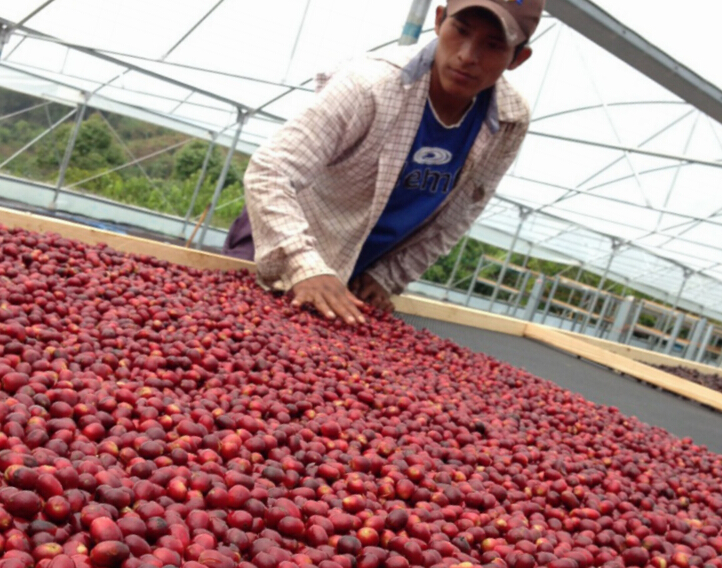
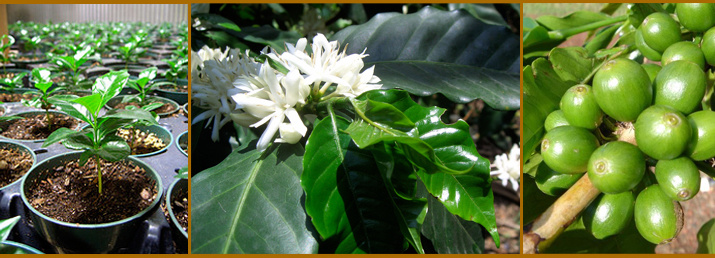
Finding Organic Coffee Beans in Costa Rica
If you’ve ever wondered why some Costa Rican coffees taste unusually sweet, clean, and complex—especially those with bright acidity and a syrupy body—the answer lies in where and how they’re grown. The country’s high-altitude volcanic regions produce some of the most sought-after single-origin beans in the world, thanks to unique environmental factors and meticulous processing methods.
To find top-tier Costa Rican coffee, look for beans grown above 1,500 meters altitude classified as SHB (Strictly Hard Bean)—these beans develop more intense flavors, higher acidity, and denser bodies due to slower maturation in cooler temperatures.
Why Costa Rican Coffee Stands Out
Costa Rica has been growing coffee since 1729, but today it’s recognized for having one of the most organized and productive coffee industries globally. With just 3.5 million people, the country manages over 400 million coffee trees, exporting 25% of its total goods as coffee. Much of this success is thanks to fertile volcanic soils, excellent drainage, and high altitudes—especially in regions like Tarrazú, located south of the capital San José.
The country’s coffee research institute, IAAC, based in Tarrazú, has also played a key role in improving cultivation and processing techniques. These factors combine to create coffee that’s not only high-yielding—at 1,700 kg per hectare—but also renowned for its quality.
What Makes SHB Coffee So Special?
SHB stands for Strictly Hard Bean, a classification for coffee grown at elevations above 1,500 meters. At these heights, cooler temperatures slow the growth of coffee cherries, allowing more complex sugars to develop. The result is a denser bean with a brighter acidity, fuller body, and more pronounced flavors. SHB beans respond well to both medium and dark roasts, often exhibiting a crisp, lingering finish.
Notable SHB-grade coffees from Costa Rica include varieties from regions like Heredia, the Central Valley, and towns along the “Coffee Route” such as Sarchi—located near the Poás Volcano. Farms at these altitudes benefit from increased rainfall, volcanic minerals, and extended cherry development periods, all contributing to a more vibrant cup profile.
The Rise of Honey Process in Costa Rica
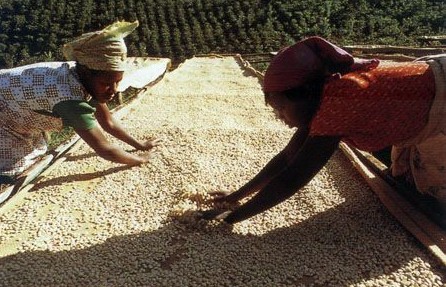
In recent decades, Costa Rica has pioneered the honey process (known locally as “miel”), a method that bridges washed and natural processing. Developed partly in response to water scarcity in high-altitude regions, honey processing involves removing the coffee cherry skin and pulp but leaving varying amounts of the sticky mucilage (fruit layer) on the beans during drying. This results in greater sweetness and pronounced caramel or fruity tones in the roasted coffee.
The level of mucilage left on the bean determines the honey process grade:
- Yellow Honey: ~20% mucilage retained, faster drying, lighter sweetness
- Red Honey: ~50% mucilage, moderate drying time, balanced sweetness and acidity
- Black Honey: ~100% mucilage, slowest drying, intense sweetness and fruitiness
This method not only enhances flavor complexity but also reduces water usage compared to traditional washed processing.
Fire Phoenix Estate: Pioneers of Organic Coffee
Nestled in the fertile volcanic hills of the Central Valley near the Poás Volcano, Fire Phoenix Estate is a fully organic coffee farm and one of Central America’s earliest adopters of both honey and natural processing methods. The estate has been 100% organic since inception, avoiding synthetic pesticides and fertilizers in favor of vermiculture (worm composting) and rainwater harvesting. These sustainable practices have resulted in exceptionally sweet, clean cups with remarkable clarity and body.
The estate measures fruit ripeness using a Brix meter, only harvesting coffee cherries with a sugar content exceeding 20%. For comparison, common fruits like apples measure around 14, lemons 12, and passion fruit 18—Fire Phoenix coffee cherries often hit 21–22 Brix, indicating extraordinary ripeness and sugar concentration. This attention to detail helped the estate gain recognition in specialty coffee competitions starting in 2009.
Frequently Asked Questions
What does SHB mean in Costa Rican coffee?
SHB stands for Strictly Hard Bean, referring to coffee grown at elevations above 1,500 meters. These beans mature more slowly in cooler temperatures, resulting in denser beans with higher acidity, greater sweetness, and more complex flavors. SHB coffee is well-suited for both medium and dark roasts.
What is honey processed coffee and where did it originate?
Honey processing, or miel in Spanish, is a coffee method where the skin and pulp are removed but some or all of the sticky fruit mucilage is left on the beans during drying. Originating in Costa Rica, it was developed as a water-saving alternative to washed processing in regions with limited water. It produces sweeter, fruitier, and more full-bodied coffees than traditional washed methods.
How do altitude and Brix levels affect coffee flavor?
Higher altitudes slow cherry development, increasing sugar accumulation and acidity in the beans. The Brix scale measures sugar content in the coffee cherry; Fire Phoenix Estate only harvests cherries with a Brix level over 20, which is exceptionally high (most fruits range below 20). This leads to sweeter, more flavorful coffee.
Which regions in Costa Rica are best known for specialty coffee?
The Tarrazú region, part of the Central Valley, is the most famous, known for high-altitude SHB beans with bright acidity and clean profiles. Other notable areas include Heredia, the Central Valley, and towns along the Coffee Route like Sarchi and Poás. Each region offers distinct cup characteristics due to variations in soil, climate, and processing.
What makes Fire Phoenix Estate unique?
Fire Phoenix Estate is 100% organic and avoids synthetic inputs, using vermiculture and rainwater collection. It was among the first in Costa Rica to produce honey and natural process coffees. The estate uses Brix measurements to determine optimal harvest times, resulting in exceptionally sweet and complex beans recognized in international competitions since 2009.
Recommended FrontStreet Beans for Honey & SHB Fans
For fans of Costa Rica’s signature honey and SHB profiles, try FrontStreet’s Cumbres del Poas: a Central Valley SHB red honey coffee at 1300–1500m, offering dried fruit, vanilla, honey, and a thick, smooth mouthfeel. Also consider the SHB (Diamond Mountain Estate) with its medium-dark roast washed process, highlighting citrus, toast, and clean caramel notes for $69. Or explore the SHB (San Roman Royal) at similar roast and price, delivering berry, caramel, cream, and light spice. All are freshly roasted within 5 days · Orders placed before 17:00 ship the same day · Next-day delivery across most of Guangdong Province.
FrontStreet Coffee is a long-established specialty coffee roaster in Guangzhou China, selling freshly roasted beans from its own farm in Yunnan as well as dozens of carefully selected single-origin beans from around the world for both pour-over and espresso. The products deliver consistently excellent quality and great value, with shipping within 24 hours. Guangzhou's FrontStreet Coffee shop is recommended by many coffee lovers, and the beans are now available online at the Tmall 。
Important Notice :
前街咖啡 FrontStreet Coffee has moved to new addredd:
FrontStreet Coffee Address: 315,Donghua East Road,GuangZhou
Tel:020 38364473