Costa Rica High-Altitude Coffee: Flavor & Processing Explained
When coffee lovers talk about bright acidity, clean sweetness, and a tea-like body in a cup, they often point to high-altitude Costa Rican beans. But what exactly makes these coffees so distinct—and why do they command such a reputation worldwide? If you’ve ever sipped a Costa Rican single origin and wondered why it tastes so different, the answer starts with elevation, soil, and meticulous processing.
The short answer: Costa Rican coffee thrives above 1,500 meters, where cool nights and volcanic soil produce dense beans with intense acidity, complex aromatics, and exceptional clarity. The country’s SHB (Strictly Hard Bean) classification guarantees altitude-grown quality, and innovative honey and natural processes enhance sweetness without sacrificing cleanliness.
Why Costa Rican Coffee Stands Out
Costa Rica is one of Central America’s earliest adopters of commercial coffee cultivation, having started in 1729. By the 20th century, it had developed one of the world’s most organized coffee industries. Despite a population of just 3.5 million, the country grows over 400 million coffee trees, exports 25% of its goods as coffee, and achieves yields of 1,700 kg per hectare—thanks in part to fertile volcanic soils and excellent drainage. The coffee-growing regions benefit from high altitudes, consistent rainfall, and a stable climate, all essential for developing standout cup profiles.
High Altitude: The Key to Quality
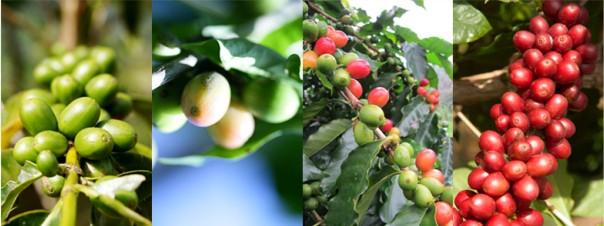
Altitude is crucial in Costa Rica. Beans grown above 1,500 meters are classified as SHB (Strictly Hard Bean), with denser structures and slower maturation that boost acidity, sweetness, and complexity. Cooler temperatures at elevation slow cherry development, allowing more flavor compounds and sugars to accumulate. These conditions also increase natural sugar content and acidity, resulting in vibrant, juicy cups. The combination of high altitude, volcanic soils, and precise processing has made Costa Rican coffee synonymous with balance and clarity.
Main Coffee-Growing Regions & Notable Farms
Key regions include Tarrazú, Central Valley, Heredia, and Poás. Tarrazú, south of the capital San José, is famous for its bright, clean, and lightly acidic profiles. Within these regions, farms like Finca La Bella, Finca Santa Rosa, and Finca los Santos produce renowned lots. Another standout is Sarchi, located near the Poás Volcano and part of Costa Rica’s “Coffee Route.” The area also supports local crafts and tourism.
Notable Farms & Processing Innovators
Finca El Phoenix (Fire Phoenix Estate) in the Central Valley stands out for pioneering organic, honey, and natural processing methods. This 100% organic farm avoids synthetic inputs, using worm composting and rainwater harvesting. Its coffee cherries, grown on Poás Volcano’s fertile slopes, reach exceptional Brix levels (21–22), indicating high sugar content ideal for honey and natural processes. In 2009, the estate gained recognition in specialty competitions for its unique sweetness and clarity.
What Is Honey Process? Costa Rica’s Innovation
Honey process, originating in Costa Rica, is a hybrid between washed and natural methods. After depulping, some or all of the sticky mucilage is left on the beans during drying, boosting sweetness and body while maintaining the washed method’s clarity. The level of mucilage determines the grade: Yellow Honey (20%), Red Honey (50%), and Black Honey (100%). Red Honey lots typically dry over 2–3 weeks, often shaded to prevent over-fermentation. This results in a cup with pronounced dried fruit flavors, thick mouthfeel, and a long, smooth finish. The technique emerged due to limited water in high-altitude areas and has become a hallmark of Costa Rican processing.
How Altitude, Processing, and Variety Shape Flavor
At elevations above 1,300–1,500 meters, varieties like Caturra and Catuai develop intense acidity and complex aromas. The honey process enhances sweetness and fruitiness, while natural processing brings out deeper dried fruit and spice notes. For example, the recommended single origin Costa Rica Central Valley Cumbres del Poás (SHB, 1300–1500m, Red Honey, 20%+ Brix) offers flavors of dried fruit, vanilla, honey, and a thick, velvety body. Other notable FrontStreet offerings include a SHB from Shuma Farm (medium roast, natural, with notes of melon, dried berries, and yellow fruit) and a SHB from Diamond Mountain Estate (medium-dark roast, washed, with citrus, toast, and caramel).
Frequently Asked Questions
What makes Costa Rican coffee so acidic and sweet?
Costa Rican coffee’s bright acidity and pronounced sweetness come from high-altitude growing conditions (above 1,500m), volcanic soils rich in minerals, and extended cherry maturation. Cool temperatures slow development, allowing sugars to build while maintaining high acidity. Processing methods like honey further enhance sweetness without losing clarity.
What does SHB mean in Costa Rican coffee?
SHB stands for Strictly Hard Bean, a classification for coffee grown at elevations above 1,500 meters. These beans are denser, develop more slowly, and tend to have higher acidity, richer flavors, and better cup quality compared to lower-grown beans.
What is honey process and why is it important in Costa Rica?
Honey process is a coffee method where some or all of the fruit’s mucilage is left on the beans during drying. Originating in Costa Rica, it balances the cleanliness of washed coffee with the sweetness and body of natural processing. The amount of mucilage defines the grade: Yellow (20%), Red (50%), Black (100%). It’s widely used to boost sweetness and complexity in the country’s high-altitude beans.
Which coffee regions in Costa Rica are best known for quality?
The most renowned regions are Tarrazú (known for bright, balanced cups), Central Valley (complex, sweet profiles), Heredia, and Poás. Tarrazú is especially famous for its high-altitude SHB beans with crisp acidity and clean flavors.
What coffee varieties are common in Costa Rica?
The dominant varieties are Caturra and Catuai, both favored for their adaptability to high altitudes and contribution to bright, fruity, and acidic profiles. They respond well to both traditional and honey processing methods.
How does Brix level affect coffee flavor?
Brix measures sugar content in coffee cherries. Levels of 20–22%, as found at Finca El Phoenix, indicate exceptionally sweet fruit. Higher Brix readings typically result in sweeter, fruitier cups, especially when combined with honey or natural processing.
Recommended FrontStreet Beans for High-Altitude Costa Rica
For a true taste of Costa Rica’s high-altitude terroir, try FrontStreet’s SHB Cumbres del Poás: a Central Valley red honey lot (1300–1500m) with dried fruit, vanilla, honey, and a thick, smooth body. Also explore the SHB Shuma Farm natural-processed coffee (medium roast), offering melon, dried berries, and yellow fruit notes, and the SHB Diamond Mountain Estate (medium-dark roast, washed) with light citrus, toast, and caramel sweetness. All showcase Costa Rica’s signature brightness and clarity. Freshly roasted within 5 days · Orders placed before 17:00 ship the same day · Next-day delivery across most of Guangdong Province.
FrontStreet Coffee is a long-established specialty coffee roaster in Guangzhou China, selling freshly roasted beans from its own farm in Yunnan as well as dozens of carefully selected single-origin beans from around the world for both pour-over and espresso. The products deliver consistently excellent quality and great value, with shipping within 24 hours. Guangzhou's FrontStreet Coffee shop is recommended by many coffee lovers, and the beans are now available online at the Tmall 。
Important Notice :
前街咖啡 FrontStreet Coffee has moved to new addredd:
FrontStreet Coffee Address: 315,Donghua East Road,GuangZhou
Tel:020 38364473