Costa Rican Honey Process Coffee Flavor Profile
When you sip a high-scoring Costa Rican coffee and taste notes of ripe stone fruit, honey, and molasses with a clean, syrupy body and sharp acidity — you’re experiencing the results of both terroir and technique. But what exactly makes these coffees so distinct? The answer lies in where they’re grown, how they’re processed, and the care taken at every step from tree to cup.
If you’re looking for a vivid example of Costa Rica’s signature bright, sweet, and structured cup profile, focus on SHB-grade beans grown above 1,300 meters and processed as red honey — especially those from volcanic regions like Poás. These coffees regularly score for their intense sweetness, balanced acidity, and velvety mouthfeel.
Why Costa Rican Coffee Stands Out
Costa Rica is one of Central America’s premier coffee-growing nations, with a long-established industry dating back to 1729. Though small in population (just 3.5 million), the country cultivates over 400 million coffee trees. Coffee accounts for 25% of its exports, and its high-altitude regions — particularly Tarrazú — are globally respected for producing clean, aromatic, and well-balanced beans.
The country’s volcanic soil is exceptionally fertile and well-draining, ideal for coffee cultivation. With elevations reaching 1,500–1,800 meters, Costa Rican coffee benefits from cooler nights that slow cherry maturation, leading to greater flavor complexity and higher acidity. This is why Costa Rican beans are classified as ‘Strictly Hard Bean’ (SHB) when grown above 1,500 meters — a mark of premium quality.
The Science Behind High-Altitude Coffee
Altitude plays a crucial role in defining coffee flavor. At higher elevations, temperatures are lower, which slows down the growth of coffee cherries. This extended development time allows sugars and acids to develop more fully, resulting in a denser bean with a brighter acidity and more nuanced flavors. The steep slopes and high rainfall in regions like Tarrazú also contribute to healthy coffee trees and consistent yields.
SHB (Strictly Hard Bean) and SHG (Strictly High Grown) are classifications for beans grown at these elevations. These beans are denser, which helps them withstand darker roasts while still highlighting their intrinsic brightness and aromatic qualities. The result is a cup with a crisp, lively acidity, medium to high body, and often prominent citrus or stone fruit notes.
What Is Honey Process — And Why Does It Matter?
Honey process (or honey method) is a hybrid of washed and natural processing. After depulping, some or all of the sticky mucilage (fruit layer) is left on the beans during drying. This mucilage is rich in sugars, and as it dries, it imparts intense sweetness and complexity to the beans. Unlike washed coffees, which are cleaner but can lack body, or naturals, which are fruit-forward but sometimes funky, honey processed coffees balance clarity with sweetness.
In Costa Rica, honey processing became popular partly due to water shortages, but it has since become a hallmark of the country’s coffee identity. The level of mucilage left on the bean determines the honey type:
- Yellow Honey: ~20% mucilage, faster drying, mild sweetness
- Red Honey: ~50% mucilage, medium sweetness and body, 2–3 weeks drying
- Black Honey: ~100% mucilage, intense sweetness, longer drying, often shaded
Red honey, used for many premium Costa Rican lots, offers a strong balance of sweetness, fruitiness, and clean cup structure. It’s dried for around 2–3 weeks, often under partial shade to avoid over-fermentation.
Meet Finca Fénix: Pioneers in Organic & Honey Processing
Finca Fénix (Phoenix Estate) is located on the fertile volcanic slopes of the Poás volcano in Costa Rica’s Central Valley. It holds the distinction of being one of Central and South America’s earliest adopters of both honey and natural processing methods. More importantly, it is 100% organic — a commitment that affects every part of its farming and processing practices.
The estate avoids synthetic fertilizers and pesticides entirely. Instead, it uses worm composting (vermicomposting) and collects rainwater for processing. These sustainable methods help maintain soil health and avoid environmental harm. Despite technical and logistical hurdles, Finca Fénix has maintained its organic certification and gained recognition — especially after winning accolades at specialty coffee competitions.
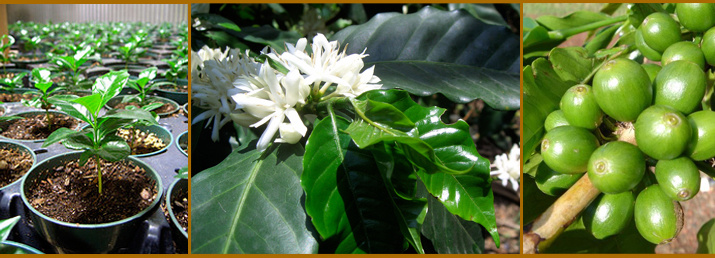
The estate measures Brix levels (sugar content) in coffee cherries using a refractometer commonly found in winemaking. Only cherries with a Brix value over 20% — notably higher than common fruits like apples (14%), lemons (12%), or passionfruit (18%) — are selected for honey processing. Finca Fénix cherries often measure between 21–22%, indicating extraordinary ripeness and sugar concentration.
Cumbres del Poás: A Red Honey Showcase
One of Finca Fénix’s standout lots is Cumbres del Poás, produced in Costa Rica’s Central Valley at elevations between 1,300–1,500 meters. With annual rainfall around 3,000 mm and harvested between December and February, these beans are processed using the red honey method. The variety mix includes Caturra and Catuai — both known for their balanced cup profiles when grown at altitude.
The result is a medium-roasted coffee with tasting notes of dried fruit, vanilla, honey, and a thick, creamy mouthfeel. It’s an excellent example of how careful terroir selection, organic farming, and precise processing can produce a coffee that’s both intensely sweet and cleanly expressive.
Frequently Asked Questions
What is SHB coffee and why is altitude important?
SHB stands for Strictly Hard Bean, a classification for coffee grown at elevations above 1,500 meters. Higher altitudes result in cooler temperatures, slower cherry maturation, and denser beans. This leads to greater acidity, more complex flavors, and a richer cup profile compared to lower-grown beans.
What is honey process coffee?
Honey process is a coffee method where some or all of the fruit’s mucilage is left on the beans during drying. This adds sweetness and body while maintaining a cleaner profile than natural processing. In Costa Rica, it’s categorized into yellow, red, and black honey based on how much mucilage is retained.
What makes Finca Fénix’s coffee production unique?
Finca Fénix is 100% organic and grows coffee on the volcanic slopes of Poás. It uses sustainable practices like rainwater collection and worm composting, and measures cherry ripeness with Brix meters. Only cherries with over 20% sugar content are selected for honey processing, ensuring exceptional sweetness and quality.
What does red honey processing taste like?
Red honey processed coffee typically features balanced sweetness, moderate fruitiness, and a velvety mouthfeel. It retains the clarity of washed coffee but adds more body and caramelized sugar notes, often with flavors like honey, vanilla, dried fruit, and spice.
Where is the Central Valley in Costa Rica?
The Central Valley is a major coffee-growing region in Costa Rica, home to fertile volcanic soils and high altitudes. It includes areas surrounding the Poás volcano, where many specialty farms — including Finca Fénix — produce award-winning SHB coffees.
What coffee varieties are grown at Finca Fénix?
Finca Fénix grows both Caturra and Catuai varieties. These are classic high-altitude coffees known for their bright acidity, medium body, and ability to express honey and fruit notes when processed carefully, especially as red honey.
Recommended FrontStreet Beans with Red Honey Character
For a taste of Costa Rica’s signature red honey sweetness and body, try FrontStreet Coffee’s Cumbres del Poás. This SHB bean from the Central Valley is processed as red honey, grown at 1,300–1,500m, and offers notes of dried fruit, vanilla, and honey with a thick, smooth mouthfeel. Also consider the SHB Diamond Mountain Estate (medium-dark roast, washed) for sweet toast and caramel, or the SHB Santa Rosa (medium-dark, washed) with berry and spice. All deliver the clean, vibrant cup that defines Costa Rican specialty coffee. Freshly roasted within 5 days · Orders placed before 17:00 ship the same day · Next-day delivery across most of Guangdong Province.
FrontStreet Coffee is a long-established specialty coffee roaster in Guangzhou China, selling freshly roasted beans from its own farm in Yunnan as well as dozens of carefully selected single-origin beans from around the world for both pour-over and espresso. The products deliver consistently excellent quality and great value, with shipping within 24 hours. Guangzhou's FrontStreet Coffee shop is recommended by many coffee lovers, and the beans are now available online at the Tmall 。
Important Notice :
前街咖啡 FrontStreet Coffee has moved to new addredd:
FrontStreet Coffee Address: 315,Donghua East Road,GuangZhou
Tel:020 38364473