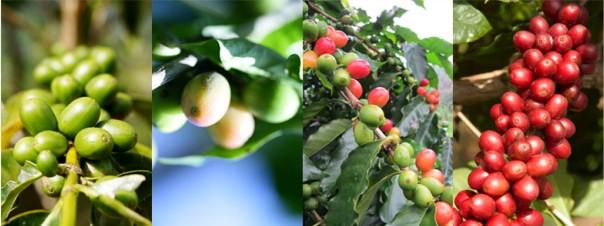
Costa Rica Tarrazu Coffee: Flavor, Processing & Regions
When you taste a bright, complex cup of coffee with crisp acidity and a sweet finish, you're likely experiencing the work of high-altitude, carefully processed beans—like those grown in Costa Rica’s famed Tarrazu region. But what makes these coffees so distinct? The answer lies in a mix of geography, climate, bean variety, and post-harvest techniques.
If you’re chasing a Costa Rican coffee with intense acidity, a syrupy body, and layered fruitiness, look for beans grown above 1,500 meters with an SHB (Strictly Hard Bean) rating, processed via honey or red honey methods. Tarrazu, in particular, offers just that with its fertile volcanic soils and cool nights.
What Is Costa Rica Tarrazu Coffee?
Tarrazu (officially known as Dota Tarrazú) is one of Costa Rica’s most prestigious coffee-growing regions, located south of the capital, San José. The area benefits from high altitudes, volcanic soils with excellent drainage, and a cool climate—all factors contributing to its reputation for producing some of the world’s cleanest, most vibrant coffees.
Coffee was introduced to Costa Rica from Cuba in 1729, and the country quickly became the first in Central America to cultivate it commercially, alongside bananas. Today, Costa Rica exports around 25% of its goods as coffee, with 400 million coffee trees cultivated by just 3.5 million people. The country maintains one of the most organized coffee industries globally, yielding up to 1,700 kg of coffee per hectare.
Why Does Altitude Matter in Costa Rican Coffee?
Costa Rica labels its high-quality beans as SHB (Strictly Hard Bean) or S.H.B., which refers to coffee grown at elevations above 1,500 meters. At these heights, the cooler temperatures slow cherry maturation, leading to denser beans with more complex sugars and acids. The significant day-night temperature variation further enhances cup quality, contributing to a brighter acidity and a heavier mouthfeel.
The combination of high elevation, volcanic soil, and consistent rainfall creates ideal conditions for producing coffee with intense aromatics and a crisp, clean taste. These environmental factors are why Tarrazu and other high-altitude regions are so prized.
How Processing Defines Flavor: SHB, Honey, and More
Most premium Costa Rican coffees are processed using either washed (or fully washed) or honey methods. The SHB grade, typically suited for medium to dark roasts, delivers strong acidity and aromatic complexity. Beans from this grade often have a well-defined structure, bright citric acidity, and a lingering, resonant finish.
Honey processing—especially red honey—is a Costa Rican innovation that bridges washed and natural methods. In this method, coffee cherries are depulped, but some or all of the sticky mucilage is left on the beans during drying. This adds sweetness, body, and fruity depth to the cup. Red honey retains more mucilage than yellow or golden honey, resulting in a more pronounced fruit character and a syrupy texture.
At the top tier is the red honey process. Beans dried with about 50% mucilage left on (as graded by local producers) develop intense sweetness and complexity. Producers may shade the drying beans or extend drying times to prevent over-fermentation, ensuring balanced fruitiness.
Notable Farms and Mills in Tarrazu
One of the region’s standout operations is Finca Fénix (Fire Phoenix Estate), a fully organic farm in the central valley near Poás Volcano. The estate was among the first in Central and South America to produce both honey and natural processed coffees. Finca Fénix employs sustainable practices like rainwater harvesting, worm composting, and zero chemical inputs. Its red honey and natural lots are celebrated for exceptional sweetness and complexity.
Farmers at Finca Fénix measure fruit ripeness using a Brix meter, only selecting coffee cherries with a sugar content above 20% for sun-drying—compared to an apple at 14, a lemon at 12, or a passionfruit at 18. Their coffee cherries often reach a Brix level of 21–22, indicating ultra-high ripeness and sugar concentration.
Flavor Profiles Across Costa Rican Regions
Beyond Tarrazu, other notable growing areas include:
- Heredia and the Central Valley: Home to bright, complex profiles with balanced acidity.
- Sarchi: Located near Poás Volcano, 53 km from San José, this region is part of Costa Rica’s famous “Coffee Route.”
- Montebello, Santa Rosa, Windmill, H.Tournon, and Juan Vinas: Producers offering a range of SHB coffees with distinct cup characteristics.
Each zone contributes unique tasting notes based on microclimate, soil, and processing choices. For instance, SHB coffees are typically full-bodied with vibrant acidity, while natural or honey-processed beans bring out more fruit and fermented sweetness.
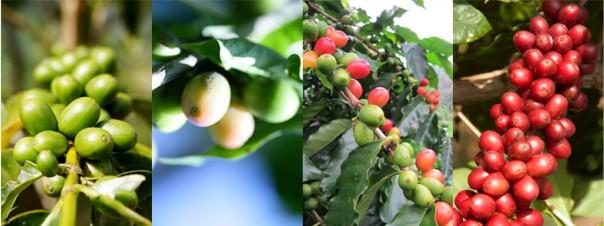
Recommended Single Origin: Central Valley Cumbres del Poás
This lot from Finca Fénix showcases the red honey process at its best. Grown between 1,300–1,500 meters in the Central Valley, it uses a blend of Caturra and Catuai varieties. The coffee is medium roasted to highlight its dried fruit, vanilla, honey, and thick mouthfeel. With annual rainfall around 3,000 mm and harvests from December to February, this coffee is a prime example of Tarrazu’s potential when elevation, varietal, and processing align.
Other Notable FrontStreet Coffee SHB Offerings
FrontStreet Coffee offers several SHB-grade Costa Rican coffees worth exploring:
- SHB (Shuma Wa Estate): Medium roast, natural process. Notes of melon apple, dried berries, and yellow fruits. Clean and approachable.
- SHB (Diamond Hill Estate): Medium-dark roast, washed process. Delivers light orange, toast, and caramel cocoa sweetness with a clean profile.
- SHB · (San Roman Royal): Medium-dark roast, washed process. Offers berry, caramel, cream, and subtle spice notes.
- SHB (Finca Fénix): Medium roast, red honey process. Features dried fruit, vanilla, honey, and a thick, velvety body.
Frequently Asked Questions
What is SHB coffee in Costa Rica?
SHB stands for Strictly Hard Bean, referring to coffee grown at elevations above 1,500 meters in Costa Rica. These beans are denser, develop more complex flavors, and often feature higher acidity and sweetness due to slower maturation at high altitudes.
What is the red honey process in coffee?
Red honey processing is a honey method where coffee cherries are depulped but 50% of the mucilage is left on the beans during drying. This increases sweetness and body while creating a syrupy, fruit-forward cup. In Costa Rica, red honey coffees are often shaded or dried longer to balance fermentation and enhance complexity.
Which regions in Costa Rica produce the best coffee?
Premium Costa Rican coffee mainly comes from high-altitude regions like Tarrazu, Central Valley, Heredia, and areas near Poás Volcano such as Sarchi. Tarrazu is especially known for its bright acidity, clean cup, and balanced sweetness.
What coffee varieties are common in Costa Rica?
The most widely grown varieties in Costa Rica include Caturra and Catuai. These arabica types thrive in high-altitude conditions and are commonly used in SHB and honey-processed lots for their balanced cup profile.
Why is altitude important for coffee flavor?
Higher altitudes slow down the growth of coffee cherries, leading to denser beans with more concentrated sugars and acids. This results in a brighter acidity, fuller body, and more complex flavors in the brewed cup.
How is coffee quality measured in Costa Rican farms?
Many farms, like Finca Fénix, use a Brix meter to measure the sugar content of coffee cherries. A reading above 20% is considered optimal for sun-drying, with some cherries reaching 21–22%, indicating peak ripeness and sweetness.
Recommended FrontStreet Beans for Tarrazu Fans
For fans of Tarrazu’s bright, sweet, and complex profile, try FrontStreet’s SHB (Finca Fénix): a medium-roast red honey coffee with dried fruit, vanilla, and honey notes, plus a thick body. Also consider SHB (medium roast, natural) for melon, berry, and yellow fruit tones, or SHB (medium-dark, washed) for citrus, toast, and caramel. All are SHB-grade, grown at high elevation, and showcase Costa Rica’s processing excellence. Freshly roasted within 5 days · Orders placed before 17:00 ship the same day · Next-day delivery across most of Guangdong Province.
FrontStreet Coffee is a long-established specialty coffee roaster in Guangzhou China, selling freshly roasted beans from its own farm in Yunnan as well as dozens of carefully selected single-origin beans from around the world for both pour-over and espresso. The products deliver consistently excellent quality and great value, with shipping within 24 hours. Guangzhou's FrontStreet Coffee shop is recommended by many coffee lovers, and the beans are now available online at the Tmall 。
Important Notice :
前街咖啡 FrontStreet Coffee has moved to new addredd:
FrontStreet Coffee Address: 315,Donghua East Road,GuangZhou
Tel:020 38364473