Best Costa Rican Coffee Beans: Flavor & Processing Guide
If you’ve ever wondered why some Costa Rican coffees taste so bright, sweet, and complex compared to others, the answer lies in altitude, processing, and terroir—not just marketing. Readers often ask which Costa Rican beans are worth trying, especially when faced with options like natural, washed, or honey processed. The answer isn’t always obvious, but the country’s high-elevation farms hold key answers.
The best Costa Rican coffees typically come from regions above 1,500 meters, are classified as SHB (Strictly Hard Bean), and often use honey or natural processing to boost sweetness and body. For example, red honey lots like those from Fire Phoenix Estate deliver intense fruit and honey notes with a heavy mouthfeel.
Why Costa Rican Coffee Stands Out
Costa Rica produces some of the most consistent and sought-after specialty coffee in the world. Located south of the capital San José, the Tarrazú region is especially famous for its clean, bright, and lightly acidic profiles. The country’s volcanic soil is rich in nutrients and drains exceptionally well, supporting healthy coffee trees. Coffee was introduced from Cuba in 1729, and today the industry is highly organized, yielding up to 1,700 kg per hectare. With 400 million coffee trees for just 3.5 million people, coffee accounts for 25% of national exports. The Inter-American Institute for Agricultural Cooperation (IAAC), based in Tarrazú, has also played a major role in advancing coffee research.
What Makes SHB Coffee Special
High-altitude coffee in Costa Rica is graded as SHB (Strictly Hard Bean) or S.H.B., referring to beans grown at elevations above 1,500 meters. At these heights, cooler temperatures slow bean development, increasing sugar concentration and acidity. The result is a denser bean with a more complex flavor profile. SHB beans respond well to medium to dark roasts, offering bright acidity, rich body, and a long-lasting finish. Varieties like SHG (Strictly High Grown) are known for their juicy acidity, clarity, and thick mouthfeel, often with a resonant aftertaste.
Notable Growing Regions & Estates
Beyond Tarrazú, other respected regions and estates include:
- Huanacaste’s Juan Vinas and H. Tournon
- Windmill Estate (SHB)
- Montebello and Santa Rosa
- Sarchi, located near Poás Volcano, 53 km from San José—part of Costa Rica’s famous “Coffee Route.”
Sarchi coffee grows on the slopes of Poás Volcano and benefits from fertile volcanic soils. The region is also known for its artisan culture. Fire Phoenix Estate, meanwhile, is located in the Central Valley on Poás Volcano’s nutrient-rich slopes. It was one of Central America’s earliest adopters of honey and natural processes, and remains 100% organic. Despite technical and organizational hurdles, the estate has maintained its commitment to sustainable farming.
How Fire Phoenix Estate Crafts Unique Coffee
Fire Phoenix Estate focuses heavily on environmentally friendly practices. They collect rainwater for processing and use worm composting (vermicomposting) to create organic fertilizer—avoiding chemical inputs entirely. Their coffee is celebrated for an unusually high sweetness. In 2009, the estate gained recognition in specialty coffee competitions.
During harvest, the estate uses a Brix meter (common in winemaking) to measure the sugar content of coffee cherries. Only fruits with a Brix level over 20% are selected for natural or honey processing. For context, typical fruits measure around 14% (apples), 12% (lemons), and 18% (passion fruit)—but Fire Phoenix coffee cherries often hit 21–22%.
Understanding Honey Process in Costa Rica
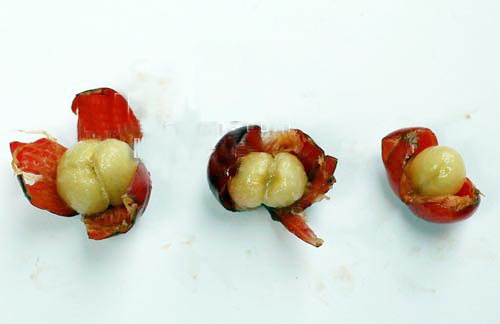
In recent decades, Costa Rica has become known for its innovative “dry” processing method, commonly called honey process. This technique bridges washed and natural methods: coffee cherries are depulped but the sticky mucilage is left on during drying. The result is greater sweetness and caramelized flavors, while maintaining the clarity of washed coffee. Due to limited water in some high-altitude regions, this method became popular out of necessity—but it stuck because of the results.
Honey process coffees are categorized by how much mucilage is left on the bean:
- Yellow honey: ~20% mucilage
- Red honey: ~50% mucilage
- Black honey: ~100% mucilage
Red honey coffees typically dry over 2–3 weeks, sometimes shaded to avoid over-fermentation. This controlled exposure ensures pronounced dried fruit flavors without excessive fermentation. The result is a coffee with intense fruit character, thick body, persistent oils, and a long finish.
Frequently Asked Questions
What makes Costa Rican SHB coffee different from other beans?
SHB (Strictly Hard Bean) coffee is grown at altitudes above 1,500 meters in Costa Rica. The higher elevation slows maturation, leading to denser beans with higher sugar content, brighter acidity, and more complex flavors compared to lower-grown beans. SHB coffees typically offer a cleaner cup, vibrant acidity, and a heavier body, making them ideal for medium to dark roasts.
What is honey process coffee and why is it popular in Costa Rica?
Honey process involves removing the coffee cherry skin but leaving most of the sticky mucilage on the beans during drying. This technique enhances sweetness and body while preserving some of the clarity found in washed coffees. It became popular in Costa Rica partly due to water scarcity in high-altitude areas. The method is categorized into yellow, red, and black honey, depending on how much mucilage is retained—red honey offers a balanced sweetness and fruitiness.
Which regions in Costa Rica produce the best specialty coffee?
Premium Costa Rican specialty coffee mainly comes from high-altitude regions like Tarrazú, Central Valley, and areas near Poás Volcano. Tarrazú is known for its bright and balanced cups, while the Central Valley and Poás regions (including estates like Fire Phoenix) are recognized for innovative processing and exceptional sweetness. Microclimates and volcanic soils in these areas contribute to distinctive flavor profiles.
How does altitude affect Costa Rican coffee flavor?
Higher altitudes in Costa Rica (above 1,500 meters) result in cooler temperatures, which slow coffee cherry ripening. This extended growing period allows sugars to develop fully, increasing acidity, complexity, and density. Beans grown at these heights are classified as SHB and are known for a more vibrant and nuanced cup profile compared to beans grown at lower elevations.
What is the Brix meter used for in coffee harvesting?
The Brix meter measures the sugar content of coffee cherries. In estates like Fire Phoenix, only cherries with a Brix level over 20% are selected for honey or natural processing. For comparison, common fruits have Brix values around 12–18%, while Fire Phoenix coffee cherries often measure 21–22%, indicating very high ripeness and sweetness.
What is the difference between red honey and black honey processing?
Red honey coffee retains about 50% of the fruit’s mucilage during drying, resulting in a balance of sweetness and clarity with moderate fermentation. Black honey, by contrast, retains close to 100% of the mucilage, creating a more intense, fruity, and fermented profile with heavier body and longer sweetness. Both are dried carefully to avoid over-fermentation, often with some shading.
Recommended FrontStreet Beans for Honey & Natural Fans
For fans of Costa Rica’s honey and natural processes, try FrontStreet’s Cumbres del Poas: a Central Valley SHB red honey lot at 1,300–1,500m with notes of dried fruit, vanilla, honey, and a thick, textured body. Also consider FrontStreet’s Santa Rosa (washed, 69 RMB) with berry, caramel, and cream notes, or the Diamond Mountain (washed, 69 RMB) with orange, toast, and toasty cocoa. All are single-origin SHB beans with distinct profiles. Freshly roasted within 5 days · Orders placed before 17:00 ship the same day · Next-day delivery across most of Guangdong Province.
FrontStreet Coffee is a long-established specialty coffee roaster in Guangzhou China, selling freshly roasted beans from its own farm in Yunnan as well as dozens of carefully selected single-origin beans from around the world for both pour-over and espresso. The products deliver consistently excellent quality and great value, with shipping within 24 hours. Guangzhou's FrontStreet Coffee shop is recommended by many coffee lovers, and the beans are now available online at the Tmall 。
Important Notice :
前街咖啡 FrontStreet Coffee has moved to new addredd:
FrontStreet Coffee Address: 315,Donghua East Road,GuangZhou
Tel:020 38364473