Costa Rica Red Honey Process Coffee from Organic Farm
When you taste a bright, syrupy Costa Rican coffee with distinct honey-like sweetness and complex fruit notes, you’re likely drinking a red honey processed bean—but how does a farm achieve that balance of acidity and body? The answer lies in altitude, processing precision, and organic farming methods honed over decades in Costa Rica’s highlands.
The key to Costa Rica’s renowned red honey coffee? Altitude above 1,300 meters, careful harvesting at 20%+ Brix sugar levels, and retaining around 50% of the coffee cherry’s mucilage during drying—resulting in a sweet, structured cup with notes of dried fruit, vanilla, and honey.
Why Costa Rica’s Tarrazú Produces Premium Coffee
Costa Rica’s Tarrazú region, south of the capital San José, is one of Central America’s most respected coffee-growing areas. The area benefits from fertile, well-drained volcanic soils and a history of commercial coffee production dating back to 1729. Today, with yields of up to 1,700 kg per hectare and 400 million coffee trees for just 3.5 million people, coffee accounts for 25% of national exports. The region is also home to the Inter-American Institute for Agricultural Cooperation (IAAC), a major research hub.
What Makes SHB Coffee So Special?
Strictly High Grown (SHB) or Strictly Hard Bean (SHB) coffee grows above 1,500 meters. The high elevation slows tree growth, increases acidity, and allows for more complex flavor development. These beans are dense, often used for medium to dark roasts, and feature bright acidity, rich body, and long-lasting finishes. Notable SHB regions in Costa Rica include Escazú, Heredia, and the central valley town of Sarchi, near the Poás Volcano.
How Fire Phoenix Estate Masters Organic Honey Processing
Fire Phoenix Estate, located in the fertile volcanic hills of Costa Rica’s central valley, is a fully organic farm and a pioneer in honey and natural process coffees in Central and South America. Rejecting synthetic chemicals, the farm uses rainwater collection and worm composting for fertility. Their commitment to organic practices contributes to exceptionally sweet, clean-tasting coffee. In 2009, their efforts earned them recognition in specialty coffee competitions.
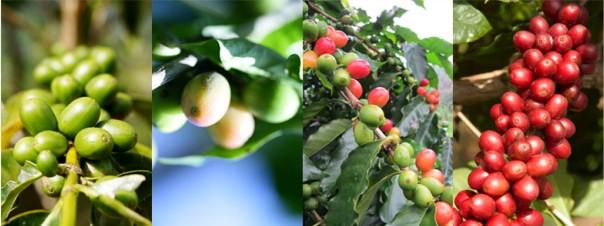
The estate monitors cherry ripeness using a Brix meter, only harvesting coffee with sugar content above 20%. For context, typical fruits like apples measure around 14, lemons 12, and passion fruit 18—but Fire Phoenix cherries reach 21–22 Brix. This high sugar content is key to their signature red honey process.
Understanding Red Honey Coffee Processing
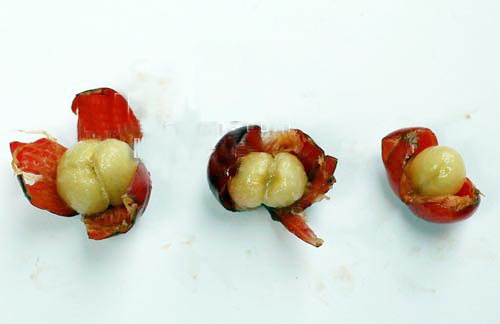
Honey processing, originating in Costa Rica, is a hybrid between washed and natural methods. It retains some or all of the coffee cherry’s mucilage—rich in natural sugars—during drying, boosting sweetness and complexity. Unlike natural processing, honey methods include a pulping stage that removes the skin but leaves varying amounts of mucilage based on the desired flavor profile.
There are three main honey process grades, ranked by mucilage retention:
- Yellow Honey: ~20% mucilage retained, faster drying, more washed-like profile
- Red Honey: ~50% mucilage retained, moderate drying (2–3 weeks), balanced sweetness and fruit
- Black Honey: ~100% mucilage retained, slow sun drying, intense sweetness and fermentation notes
Red honey coffees like those from Fire Phoenix are typically dried over 2–3 weeks. Farmers may reduce direct sun exposure using shade cloths to prevent over-fermentation, resulting in a cup with pronounced dried fruit, vanilla, and honey notes, a thick mouthfeel, and a lingering finish.
Featured Coffee: Cumbres del Poás from Central Valley
The recommended single origin coffee from this method is the Costa Rica Central Valley Cumbres del Poás, produced by Fire Phoenix Estate. Grown at 1,300–1,500 meters with annual rainfall around 3,000 mm, this SHB coffee is harvested between December and February. Using the red honey process, it’s made from a blend of Caturra and Catuai varieties. It’s typically roasted to a medium level, yielding flavors of dried fruit, vanilla, and honey, with a thick, smooth body and long finish. Priced between $79–$158 per bag, it exemplifies the balance and clarity that Costa Rica’s honey process is known for.
Other examples from Costa Rica include:
- SHB Shuimawa Estate (medium roast, natural): offers notes of melon apple, dried berries, and yellow fruit at $128–$256
- SHB Diamond Mountain Estate (medium-dark roast, washed): features light citrus, toast, and clean caramel notes at $69–$138
- SHB Santa Rosa Royal (medium-dark roast, washed): delivers berry, caramel, cream, and subtle spice at $69–$138
All showcase different processing methods and flavor outcomes from the diverse terroirs of Costa Rica.
Frequently Asked Questions
What is red honey processed coffee?
Red honey processed coffee is a type of honey process where about 50% of the coffee cherry’s mucilage is left on the beans during drying. This retention boosts sweetness and body while creating flavors like dried fruit, honey, and vanilla. The beans are usually dried for 2–3 weeks, sometimes in shade to control fermentation.
Where is Costa Rica’s Tarrazú coffee region?
Tarrazú is a high-altitude coffee-growing region located south of San José, Costa Rica. It’s known for producing SHB (Strictly Hard Bean) coffee with bright acidity, clean flavors, and good body due to its volcanic soils and elevations above 1,500 meters.
What does SHB mean in coffee?
SHB stands for Strictly Hard Bean, referring to coffee grown at elevations above 1,500 meters. These beans are denser, develop more complex flavors, and are typically associated with brighter acidity and a heavier body compared to lower-grown beans.
How is Brix used in coffee harvesting?
Brix is a measurement of sugar content in coffee cherries, taken with a refractometer. Farms like Fire Phoenix Estate only harvest cherries with a Brix level above 20%, ensuring optimal ripeness and sweetness for processes like red honey, which rely on high natural sugar content for flavor development.
What’s the difference between honey process types?
Honey processes are categorized by how much mucilage is left on the bean: Yellow Honey (20%), Red Honey (50%), and Black Honey (100%). More mucilage means more sweetness, body, and fermentation influence, with Red Honey offering a balanced profile between brightness and richness.
Which coffee varieties are used in Cumbres del Poás?
The Cumbres del Poás coffee from Fire Phoenix Estate is made from Caturra and Catuai coffee varieties, both common in Costa Rica and valued for their adaptability to high altitudes and contribution to clean, vibrant cup profiles.
Recommended FrontStreet Beans for Honey Process Fans
For lovers of red honey processed coffee, try FrontStreet Coffee’s Costa Rica SHB (79.00–158.00), which delivers notes of dried fruit, vanilla, and honey with a thick, smooth mouthfeel. Also consider the FrontStreet SHB (69.00–138.00) for a brighter, cleaner cup with citrus and caramel, and the FrontStreet SHB · (69.00–138.00) for berry, toast, and creamy spice. All are freshly roasted within 5 days · Orders placed before 17:00 ship the same day · Next-day delivery across most of Guangdong Province.
FrontStreet Coffee is a long-established specialty coffee roaster in Guangzhou China, selling freshly roasted beans from its own farm in Yunnan as well as dozens of carefully selected single-origin beans from around the world for both pour-over and espresso. The products deliver consistently excellent quality and great value, with shipping within 24 hours. Guangzhou's FrontStreet Coffee shop is recommended by many coffee lovers, and the beans are now available online at the Tmall 。
Important Notice :
前街咖啡 FrontStreet Coffee has moved to new addredd:
FrontStreet Coffee Address: 315,Donghua East Road,GuangZhou
Tel:020 38364473