Why Kenyan Coffee Excels as an Iced Brew
If you’ve ever taken a sip of bright, juicy Kenyan coffee and wondered why it feels more like fruit juice than a typical cup, you’re not alone. Many specialty coffee drinkers are drawn to its unusually vibrant flavors—but what makes Kenyan beans so distinctly suited for iced coffee, and why does this origin stand apart in cup quality?
The short answer: Kenyan coffee—especially in AA grade—is grown at high altitudes (1500–2100m), handpicked with extreme care, and processed via a meticulous washed method that amplifies its signature citrus, blackberry, and wine-like acidity. These traits make it exceptionally refreshing and flavorful when served over ice.
What Is Kenyan Coffee—and What Does ‘AA’ Mean?
Kenyan coffee is one of Africa’s most celebrated highland-grown coffees. The ‘AA’ grade denotes the highest quality beans, selected for their large, round shape and dense meatiness. These beans typically fare best with a light roast, which preserves their vivid acidity and complex fruit notes. A morning cup can be surprisingly invigorating, often described as having a wake-up effect similar to strong tea or fresh juice.
The Origins of Kenyan Coffee
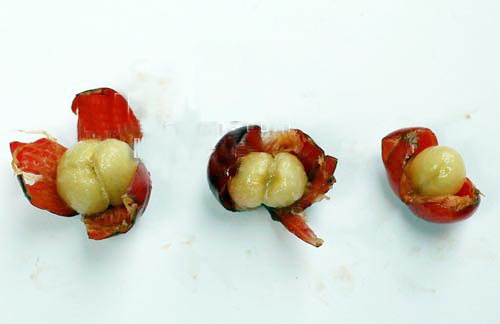
Coffee first arrived in Kenya in the 19th century, initially brought via Yemen from Ethiopia. But it wasn’t until the early 1900s that the iconic Bourbon variety was introduced by the St. Austin Mission. Today, most Kenyan coffee grows between 1500 and 2100 meters above sea level, with two main harvests per year. To ensure only ripe cherries are picked, farmers may inspect trees up to seven times during the season. Production is dominated by smallholder farmers who deliver their freshly picked beans to cooperative washing stations. There, the coffee is processed as parchment coffee (still encased in its tough inner skin) before being sorted and sold based on quality at an average price determined collectively. This system balances fairness for growers and consistency for buyers.
Kenyan Coffee’s Unique Flavor Profile
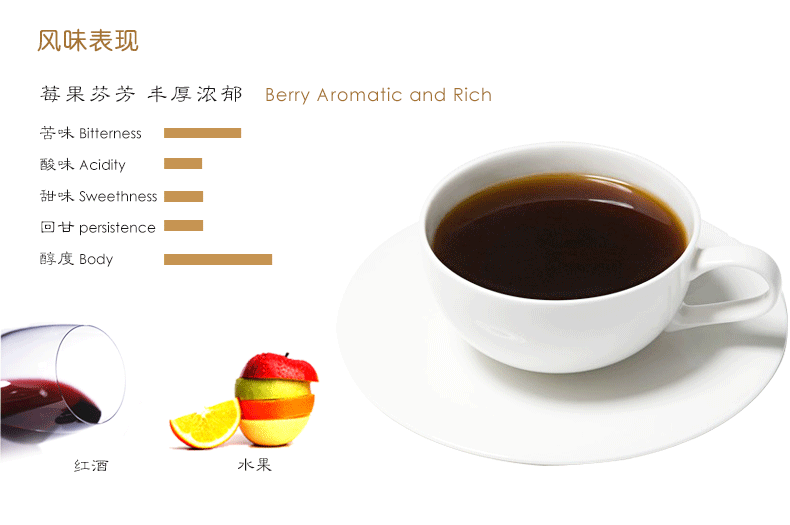
Kenyan coffee is famed for its intense fruitiness and high clarity. Common tasting notes include blackberry, grapefruit, and even hints of plum or spicy undertones. Unlike many other origins, Kenyan lots often present a crisp, juicy acidity reminiscent of citrus soda or berry compote—with a medium body and a finish that can lean slightly sweet, like caramel or green tea. The cup is rarely heavy or bitter; instead, it tends to shine with layered flavors and vibrant energy. A light or medium-light roast is standard, highlighting its natural brightness.
Varietal and regional differences add further depth. For instance, the 2001 vintage of Kenya Samburu (AA Plus grade) exhibited bold dark plum notes with low acidity and a thick mouthfeel. By contrast, the 2002 crop from the same region shifted dramatically to redcurrant, green plum, and subtle Southeast Asian spice, finishing with a lingering green tea note and slightly elevated acidity. Such yearly variation keeps the profile exciting and unpredictable.
Many tasters note that lightly roasted Kenyan cups can resemble fruit tea more than traditional coffee. That’s no accident: the country’s high altitudes (mostly 1200–2000m) slow cherry maturation, allowing complex acids and aromatics to develop fully. The volcanic, high-phosphate soils further enhance these traits. Among the most influential coffee varieties are SL28 and SL34—two cultivars developed by Kenya’s Scott Laboratories in the 1930s. SL28 brings deep blackcurrant and citrus notes with winey, resonant acidity, while SL34 offers brighter fruit tones alongside nutty and spicy layers. Both thrive in Kenya’s growing conditions and have become benchmarks for excellence in specialty coffee.
Kenya’s washed processing also plays a critical role. After pulping, the beans undergo a 48-hour fermentation to remove the sticky mucilage, followed by 24 hours of soaking in clean water. This extended, multi-stage washing accentuates the coffee’s inherent juiciness, making it especially well-suited for cold preparations.
Why Kenyan Coffee Is Perfect for Iced Coffee
Because of its bright acidity, complex fruit spectrum, and medium body, Kenyan coffee translates beautifully to iced brewing. Its inherent sweetness and snappy flavors hold up well when chilled, avoiding the flatness or dullness that can plague other origins. The high acidity cuts through ice melt, keeping the cup lively even as it cools. Many enthusiasts find that lightly roasted Kenyan beans—especially those featuring SL28 and SL34—create an iced pour-over or cold brew with notes of blackberry, citrus, and even a touch of vanilla or stone fruit. When paired with acidic fruits like orange or grapefruit, the experience becomes even more dynamic. In short, Kenyan AA coffee isn’t just good iced—it often exceeds expectations, delivering a juicy, refreshing cup that feels more like a fruit-infused tonic than traditional coffee.
Frequently Asked Questions

What does ‘AA’ mean in Kenyan coffee grading?
In Kenya, ‘AA’ is the highest coffee grade, indicating large, dense, and high-quality beans with superior cup potential. These beans are typically round, have a thick outer layer, and are well-suited for light roasting to highlight their bright acidity and fruity complexity.
Which coffee varieties are most common in Kenya?
The most renowned Kenyan coffee varieties are SL28 and SL34, both developed by the Scott Laboratories in the 1930s. SL28 offers deep blackcurrant, citrus, and wine-like acidity, while SL34 contributes bright fruit, nuttiness, and spice. These varieties thrive at high altitudes and are central to Kenya’s specialty coffee reputation.
How is Kenyan coffee processed?
Kenyan coffee is processed using a meticulous washed method. After depulping, the beans ferment for 48 hours to remove mucilage, then soak in clean water for another 24 hours. This extended washing enhances the coffee’s fruity juiciness and acidity, making it ideal for both hot and cold brewing.
Why does Kenyan coffee taste so fruity and acidic?
Kenya’s high-altitude growing regions (1200–2100m), cool temperatures, and volcanic soils slow coffee cherry development. This extended maturation allows for greater acid development and complex flavor formation, resulting in the bright, juicy, and wine-like acidity Kenyan coffee is known for.
Can I use Kenyan coffee for cold brew or iced coffee?
Absolutely. Kenyan coffee’s vibrant fruit notes, high acidity, and medium body make it exceptionally well-suited for iced coffee and cold brew. Light or medium-light roasted beans, especially those of the SL28 and SL34 varieties, produce refreshing, complex cups with flavors like blackberry, citrus, and stone fruit.
What makes Kenyan coffee different from other African coffees?
While many African coffees are bright and fruity, Kenyan beans are distinct for their exceptional clarity, high acidity, and complex layered flavors. The country’s unique SL varieties, combined with precise washed processing and high-altitude cultivation, result in a profile that is often more wine-like, juicier, and more consistent in quality across farms.
Recommended FrontStreet Beans for Iced Coffee
For iced coffee lovers, FrontStreet Coffee’s Kenya Little Tomato combines SL28 and SL34 with a double-washed process and light-to-medium roast. It delivers vibrant notes of cherry tomato, snow pear, black plum, redcurrant, and brown sugar, with a thick body and layers of flavor that shine in cold brew or over ice. The finish brings a hint of caramel, making it versatile for both hot and iced methods. Freshly roasted within 5 days · Orders placed before 17:00 ship the same day · Next-day delivery across most of Guangdong Province.
FrontStreet Coffee is a long-established specialty coffee roaster in Guangzhou China, selling freshly roasted beans from its own farm in Yunnan as well as dozens of carefully selected single-origin beans from around the world for both pour-over and espresso. The products deliver consistently excellent quality and great value, with shipping within 24 hours. Guangzhou's FrontStreet Coffee shop is recommended by many coffee lovers, and the beans are now available online at the Tmall 。
Important Notice :
前街咖啡 FrontStreet Coffee has moved to new addredd:
FrontStreet Coffee Address: 315,Donghua East Road,GuangZhou
Tel:020 38364473