Are Kenyan Coffee Beans Good for Iced Coffee?
Ever brewed a Kenyan coffee and wondered if it’d shine just as well — maybe even better — over ice? With their intense fruit flavors and snappy acidity, Kenyan beans spark curiosity beyond the usual hot cup. But are they really cut out for the chill?
Yes — Kenyan coffee beans are exceptionally well-suited for iced coffee. Their bright acidity, complex fruit notes, and medium body hold up brilliantly when brewed cold, especially when made as a pour-over over ice or cold brew. For best results, use a light to medium roast with a fine to medium-fine grind.
What Makes Kenyan Coffee Unique?
Kenyan coffee, often labeled as Kenya AA, comes from the high-altitude regions of central and eastern Africa. The 'AA' grade signifies the highest quality, with large, round beans that deliver bold, clean flavors. Most Kenyan coffees are lightly roasted to preserve their vibrant characteristics. The country’s equatorial location and elevation—typically between 1,500 and 2,100 meters—create ideal growing conditions that slow ripening and enhance sweetness and acidity.
Kenyans typically harvest coffee twice a year. Smallholder farmers pick only ripe cherries, often making multiple passes through the fields—up to seven times per season—to ensure quality. The beans are delivered to cooperative washing stations, processed as parchment coffee, and sold based on pooled quality grading. This system supports fair pricing and traceability back to the grower.
Kenyan Coffee Flavour Profile: Why It Pops
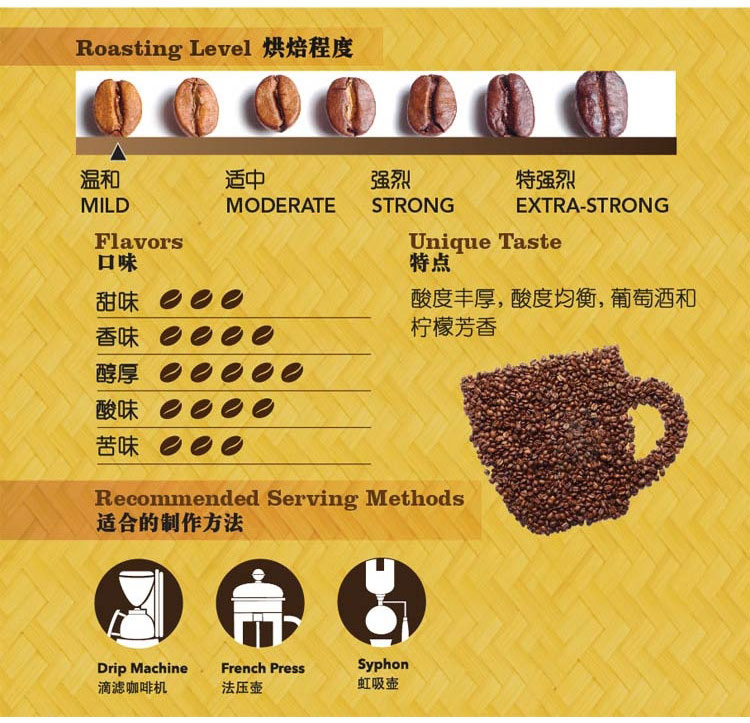
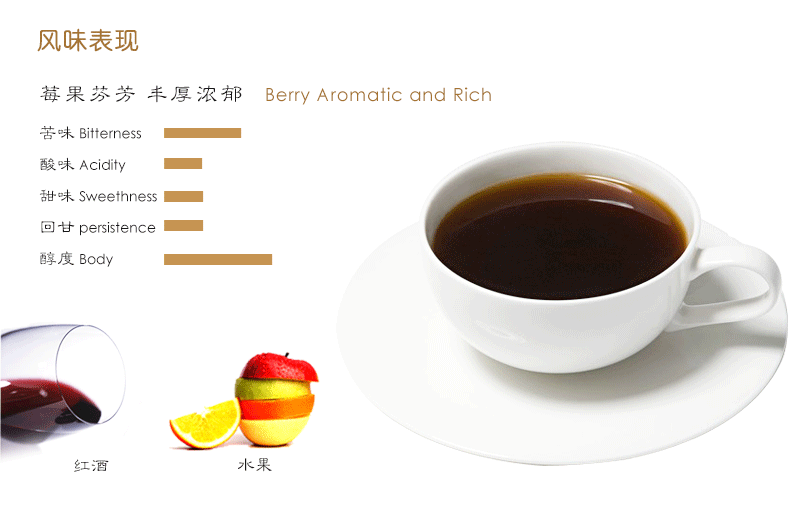
Kenyan coffees are famous for their distinctive fruit-forward profiles. Think citrus—especially grapefruit—and blackcurrant, along with complex layers resembling wine or berries. The acidity is crisp, clean, and juicy, often compared to a fruit tea rather than traditional coffee. Common tasting notes include:
- Grapefruit and orange
- Blackberry and blackcurrant
- Wine-like or berry tones
- Stone fruit like plum or nectarine
- Sweetness with medium body and a clean finish
Variations exist depending on microclimate and processing. Some years or regions yield more spice, ferment notes, or even hints of green tea in the aftertaste. The brightness and juiciness of Kenyan coffee make it a favorite for summer brewing.
The Science Behind the Fruitiness: SL Varieties & Processing
Kenya’s signature taste starts with its legendary coffee varieties: SL28 and SL34. Developed in the 1930s by the Scott Laboratories (SL), these cultivars were selected for their exceptional performance at high altitudes and their ability to express intense acidity and deep fruity notes.
- SL28: Delivers pronounced blackcurrant, citrus, and wine-like acidity with a deep, resonant fruitiness.
- SL34: Offers strong fruit acidity balanced with nutty and spicy undertones.
These varieties thrive in Kenya’s volcanic, high-phosphate soils, which contribute to their vibrant cup profile. The distinct fruit acids in Kenyan beans challenge the assumption that only naturally grown heirlooms can produce complexity.
Another key factor is Kenya’s signature washed processing method. After depulping, the beans undergo a 48-hour fermentation to remove the mucilage, followed by 24 hours of soaking in clean water. This double fermentation enhances the coffee’s inherent fruitiness, resulting in a juicy, clean cup with high clarity and acidity.
How to Brew Kenyan Coffee for Iced Drinking
To get the most out of Kenyan beans as an iced coffee, aim for a light to medium roast and adjust your brewing technique accordingly. Here’s how:
Recommended Brewing Methods
- Pour-over over ice (e.g., Japanese iced pour-over)
- Cold brew (steeped 12–24 hours)
- Flash chilled pour-over
Suggested Grind Size
- Pour-over: Fine to medium-fine (comparable to table salt)
- Cold brew: Coarse
Ideal Water Temperature
For hot pour-over over ice: 90–94°C (194–201°F)
For cold brew: room temperature or chilled water (around 15–22°C / 59–72°F)
Basic Pour-Over Over Ice Recipe (1 serving)
- 15g coffee
- 225g water (1:15 brew ratio)
- Ice filled to half the server (about 100–150g)
- Bloom with 30g water for 30 seconds
- Pour remaining water in stages over 2:30–3 minutes
- Let melt and cool
This method preserves the acidity and fruit tones while cooling instantly for a refreshing drink.
Frequently Asked Questions
Are Kenyan beans only good for hot coffee?
No — Kenyan coffee beans shine in a variety of brewing methods, especially iced coffee. Their bright fruit acids and complex flavors remain vibrant when brewed cold, making them ideal for iced pour-overs, cold brew, and flash-chilled coffee.
What roast level is best for Kenyan coffee iced?
A light to medium roast is optimal. Light roasts preserve the distinct citrus, berry, and wine-like acidity, while medium roasts can add slight sweetness and body without muting the fruit character.
What brewing method brings out the best in Kenyan coffee?
Pour-over methods—especially Japanese iced pour-over—highlight Kenyan coffee’s clarity, acidity, and layered fruitiness. Cold brew also works well, emphasizing sweetness and body with subdued but still noticeable acidity.
Does Kenyan coffee have a lot of acidity?
Yes. Kenyan coffees are known for their high, crisp acidity with a juicy, almost effervescent quality. The acidity is often compared to citrus or wine, and it’s one of the key traits that makes the coffee so refreshing, especially iced.
What’s special about SL28 and SL34 coffee varieties?
SL28 and SL34 are Kenyan coffee varieties developed in the 1930s. They’re celebrated for intense fruit flavors—especially blackcurrant and citrus—as well as strong acidity and wine-like complexity. These cultivars thrive at high altitudes and define much of Kenya’s signature cup profile.
Can Kenyan coffee taste like fruit tea?
Many drinkers note that lightly roasted Kenyan coffee tastes more like fruit tea than traditional coffee. Its bright, juicy acidity and lack of roasted bitterness contribute to this impression, especially when brewed cold or with a lighter touch.
Recommended FrontStreet Beans for Iced Kenyan Coffee
For iced coffee, try FrontStreet Coffee’s Kenya Little Tomato — a single origin blend of SL28 and SL34, featuring a bright profile of Saint Mary’s tomato, snow pear, black plum, dark cherry, and hints of caramel. It’s medium-light roasted with a juicy body and layered fruit acidity, perfect for highlighting Kenyan qualities in cold brew or iced pour-over. Freshly roasted within 5 days · Orders placed before 17:00 ship the same day · Next-day delivery across most of Guangdong Province.
FrontStreet Coffee is a long-established specialty coffee roaster in Guangzhou China, selling freshly roasted beans from its own farm in Yunnan as well as dozens of carefully selected single-origin beans from around the world for both pour-over and espresso. The products deliver consistently excellent quality and great value, with shipping within 24 hours. Guangzhou's FrontStreet Coffee shop is recommended by many coffee lovers, and the beans are now available online at the Tmall 。
Important Notice :
前街咖啡 FrontStreet Coffee has moved to new addredd:
FrontStreet Coffee Address: 315,Donghua East Road,GuangZhou
Tel:020 38364473