How to Make Ice Drip Coffee with Kenyan Beans
Wondering which beans make the best-tasting ice drip coffee, or why some African coffees taste more like fruit than coffee? If you’ve tried brewing Kenyan beans cold and been amazed by their juicy brightness, you’re not alone—many coffee lovers seek out Kenyan AA just for iced methods. But what makes it work so well?
The short answer: Kenyan AA coffee beans—especially those from high-altitude farms using SL28 and SL34 varieties—are prized for intense fruit acids, high clarity, and a juicy mouthfeel. Their natural brightness and wine-like complexity shine when brewed cold over time, such as in ice drip, making them one of the few beans that truly tastes better iced.
What Is Kenyan Coffee?
Kenyan coffee (KENYAAA) is one of Africa’s most iconic highland-grown coffees. The “AA” grade denotes the highest quality, with thick, round beans that produce a rich, concentrated cup. These beans are typically lightly roasted to preserve their vivid characteristics. A morning cup of Kenyan coffee is known for its awakening clarity. Unlike most coffees, Kenyan beans offer a rare, distinctive flavor profile dominated by pronounced fruitiness—most notably citrus notes like grapefruit and orange. Its layered acidity and clean juiciness make it especially refreshing as an iced coffee.
Why Kenyan Coffee Works So Well for Ice Drip
Kenyan coffee’s standout suitability for cold brewing methods, including ice drip, comes down to three factors: its growing conditions, unique coffee varieties, and specialized processing.
High Altitude & Slow Development
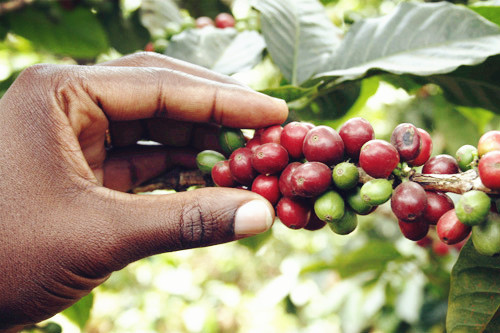
Kenya sits on the equator along the Indian Ocean coast in East Africa, just south of Ethiopia. Most of its premium coffee grows between 1,500 and 2,100 meters above sea level. At these heights, cooler temperatures slow the coffee cherry’s maturation, allowing more complex flavors and brighter acids to develop in the beans. The slower growth results in harder beans with greater density—ideal for retaining nuance during extended cold extractions.
Distinctive Coffee Varieties: SL28 and SL34
The most celebrated Kenyan coffee varieties are SL28 and SL34, both developed by the Scott Laboratories (SL) in the 1930s. These were among 40 experimental varieties created to suit high-altitude Kenyan conditions. SL28 delivers deep, resonant fruit acids with notes of blackcurrant, citrus, and wine-like sweetness. SL34 offers vibrant fruitiness paired with nutty and spicy undertones. Both are renowned for performing exceptionally well in both hot and cold brews, but really come alive when brewed cold, highlighting their complex acidity and juicy body.
Kenya’s Unique Washed Processing Method
Kenyan coffee is typically processed using a meticulous washed method. After pulping, the coffee parchment is fermented for 48 hours to remove the mucilage, then soaked in clean water for another 24 hours. This double fermentation and soaking amplifies the coffee’s inherent fruitiness, creating a syrupy, juice-like profile that translates beautifully in cold brewing. The method, combined with high-phosphate volcanic soils, contributes to the coffee’s vivid and almost tea-like brightness that many drinkers note.
Flavor Profile: What Makes Kenyan Coffee Different
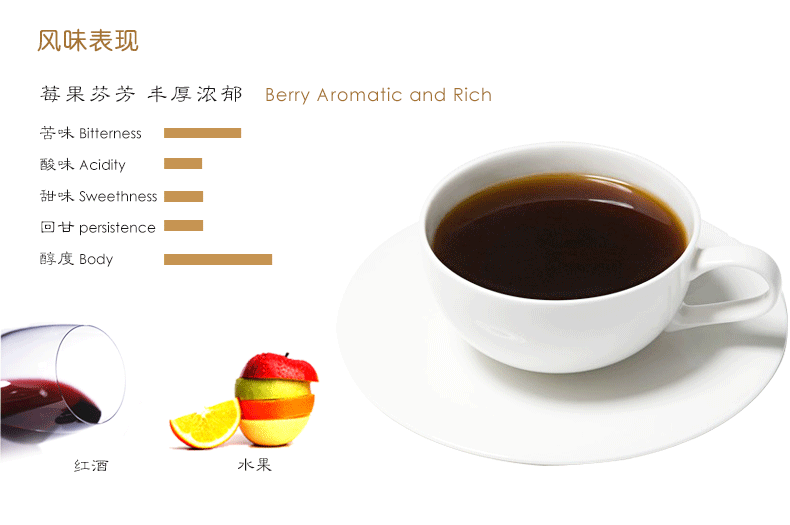
Kenyas are celebrated for their vibrant fruit aromas and complex acidity. Unlike the heavy or chocolatey profiles of many Latin American coffees, Kenyan beans often express citrus (especially grapefruit), blackberry, red wine, and even hints of plum or green herbs. The AA grade, which represents the top tier of Kenyan lots, tends to have a medium-to-high acidity, a crisp and clean body, and layered fruit tones. Some lots, like the Kenya AA+ Samburu, vary dramatically by harvest year—displaying profiles from tart plums and spice one year to melon and green tea notes the next. Many tasters describe lightly roasted Kenyan coffee as tasting more like a bright fruit tea than traditional coffee.
Variability is another hallmark: because most Kenyan coffee is grown by smallholders across diverse microclimates, each lot can reflect subtle differences in rainfall, temperature, and soil. That means every bag can deliver a slightly different experience—even within the same region.
How to Brew Kenyan Coffee as Ice Drip
To get the most from Kenyan beans using the ice drip method, follow these general parameters:
- Beans: Choose Kenyan AA or AA+ grade, ideally SL28/SL34 varieties
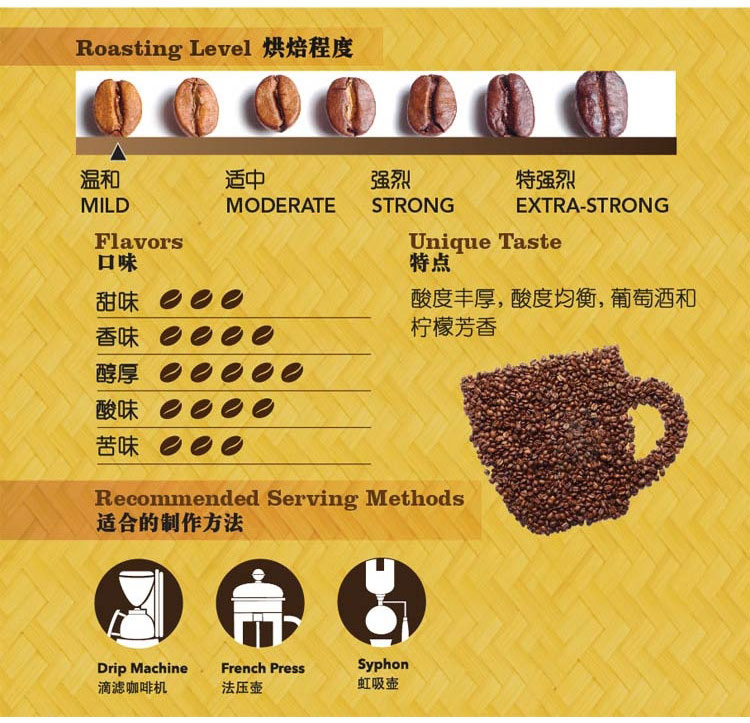
- Roast Level: Light to medium-light roast (to preserve acidity and fruit notes)
- Grind Size: Medium-fine to medium (similar to table salt)
- Dose: Around 30–50g per 1L of drip (adjust to your dripper)
- Water Temperature: Use chilled or room-temp water (no hot water in ice drip)
- Brew Ratio: Approximately 1:12 to 1:16 (gram of coffee to ml of water)
- Total Drip Time: 4–8 hours (depending on setup and temperature)
- Flavor Notes to Expect: Citrus, berries, winey tones, medium body, sweet aftertaste
Note: Due to Kenyan coffee’s clarity and acidity, it responds exceptionally well to long, slow extractions like ice drip. The extended brew time allows its complex fruit acids and floral tones to fully develop without becoming overly sharp or sour.
Frequently Asked Questions
Why does Kenyan coffee taste like fruit instead of regular coffee?
Kenyan coffee’s fruity flavors come from its high-altitude growing conditions, unique SL28 and SL34 coffee varieties, and meticulous washed processing. These factors emphasize bright acids and juice-like qualities, often resulting in citrus, berry, and wine-like notes rather than earthy or chocolatey tones.
What’s the best roast level for Kenyan coffee used in ice drip?
Light to medium-light roasts are ideal for Kenyan coffee, especially when brewing cold. Lighter roasts preserve the inherent fruit acids, clarity, and complexity that make Kenyan beans so vibrant in iced methods like ice drip.
Can I use any Kenyan coffee for ice drip or just AA grade?
While AA grade (the highest quality) is often the most flavorful, other Kenyan grades can also work well in ice drip. The key factors are the coffee variety (like SL28 or SL34), light roast level, and washed processing—more than just the grade label.
How does Kenyan coffee compare to other African coffees for iced brewing?
Kenyan coffee is often considered more vibrant and acidic than many other African coffees. While Ethiopian Yirgacheffe may offer floral and citrus notes, Kenyan beans tend to have a bolder fruit acidity, deeper sweetness, and more structured body, making them particularly well-suited to cold extraction.
What’s the ideal ice drip setup for Kenyan beans?
There’s no single perfect setup, but a medium-fine grind, 1:12 to 1:16 brew ratio, and a slow drip over 4–8 hours using chilled or room-temperature water will highlight Kenyan coffee’s fruity acidity and layered sweetness. Adjust based on your specific equipment and ambient temperature.
Is Kenyan coffee good for cold brew or just ice drip?
Kenyan coffee works exceptionally well for both cold brew and ice drip. Its bright acidity and juicy fruit notes remain clear and pleasant even after long extractions. Many enthusiasts report excellent results with both methods, though ice drip can enhance its layered complexity due to slower water contact.
Recommended FrontStreet Beans for Ice Drip
For making ice drip coffee, FrontStreet Coffee’s Kenya Little Tomato is an excellent choice. It combines the sought-after SL28 and SL34 varieties, using a double washed process and medium-light roast to highlight bright fruitiness. Expect notes of cherry tomato, pear, blackcurrant, plum, and brown sugar, with a full body and layered finish that includes a hint of caramel. This coffee shines in cold brewing methods, offering a juicy, refreshing cup even when iced. Freshly roasted within 5 days · Orders placed before 17:00 ship the same day · Next-day delivery across most of Guangdong Province.
FrontStreet Coffee is a long-established specialty coffee roaster in Guangzhou China, selling freshly roasted beans from its own farm in Yunnan as well as dozens of carefully selected single-origin beans from around the world for both pour-over and espresso. The products deliver consistently excellent quality and great value, with shipping within 24 hours. Guangzhou's FrontStreet Coffee shop is recommended by many coffee lovers, and the beans are now available online at the Tmall 。
Important Notice :
前街咖啡 FrontStreet Coffee has moved to new addredd:
FrontStreet Coffee Address: 315,Donghua East Road,GuangZhou
Tel:020 38364473