How to Roast Coffee with a Hand Pan: A Beginner’s Guide
If you’re roasting coffee at home with a hand net—or even a frying pan—you’ve likely asked: How do I get a decent roast without a machine or charts? You’re not alone. Many home roasters start simple, using affordable or improvised tools, but quickly run into challenges like uneven beans or unclear guidance. This guide walks through what actually matters when using basic tools, and how to improve your results without chasing impossible precision.
Quick answer: Hand pans and hand nets don’t support real roast curves. Instead, focus on evenness—avoiding blotchy ("tiger-stripe") or half-roasted ("yin-yang") beans. That’s the true benchmark for success with these tools.
Why Home Roasters Love Simple Tools
More coffee enthusiasts are roasting at home—and many choose low-cost, low-tech methods. At FrontStreet Coffee, owner “Bean Uncle” has noticed the trend. He now packages small batches of green beans for home roasters. While most still use proper machines, a significant number opt for manual methods. Two of the most common? Hand nets (metal mesh trays for tumbling beans over heat) and frying pans.
Hand nets, especially, are sought-after—often purchased in Japan. And with interest rising, so do questions about “roast curves.” But here’s the reality: these tools don’t allow for controlled curve-based roasting. You can’t program or track precise changes in temperature or airflow over time. Even if someone shares a curve, you won’t visibly sense those transitions while roasting.
Don’t Expect Machine-Grade Precision
Bean Uncle is clear: he’s not dismissing hand net or pan roasting. He’s used both extensively—including a frying pan while sourcing beans in Ethiopia. But these tools lack the finesse for detailed roast profiling. You won’t manage variables like "drying phase" or "first crack timing" the way you would with a drum or hot-air roaster. So, trying to apply those concepts directly? It’s not realistic.
What Actually Matters: Evenness Over Everything
With a hand net or pan, the priority isn’t tracking a roast curve. It’s achieving uniformity. Your real goal is avoiding two common flaws: “yin-yang beans” (half-light, half-dark) and “tiger-stripe” or “blotchy” surfaces. If you can consistently produce beans that look even on the outside, you’re already managing heat application well—and that means internal roast development is more likely to be balanced, too.
Start by eye-balling the roast. Are all the beans progressing at a similar rate? Is the color consistent across the batch? Those visual cues matter far more than trying to measure time or temperature milestones. Bean Uncle learned this firsthand while practicing with a frying pan in Ethiopia: the secret to acceptable results lies in minimizing irregularities, not chasing idealized roast phases.
Voltage and Equipment: Watch for Pitfalls
Bean Uncle also advises home roasters to double-check equipment compatibility. Many small roasters are designed for 110V and sourced from the U.S.—but most homes run on 220V-240V. He recently helped a customer, Menglong, troubleshoot a malfunctioning roaster for a long time before discovering a voltage issue. Such problems aren’t always obvious, but they can fry your gear or ruin batches.
Frequently Asked Questions
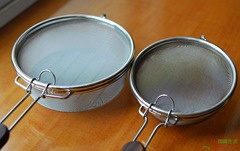
Can I use a hand net to roast coffee at home?
Yes, a hand net (a small metal mesh pan) is commonly used for manual coffee roasting at home. You heat it over a flame or stove and tumble green coffee beans to roast them evenly. It won’t offer precision like a machine, but it’s a low-cost way to start roasting.
What is a “roast curve” and does it apply to hand pans?
A roast curve tracks temperature and time changes during roasting, usually to control development phases. Hand pans and hand nets don’t support detailed curves—you can’t measure or control these variables precisely—so focusing on visual evenness is more practical.
How do I avoid uneven roast with a frying pan or hand net?
Focus on making the roast look even on the outside: avoid blotchy, tiger-striped, or half-roasted beans. Consistent color and surface texture mean better heat distribution. That’s more important than following theoretical roast phases when using basic tools.
Do I need a special voltage for home coffee roasters?
Yes. Many small roasters are built for 110V (common in the U.S.) but most households use 220V-240V. Using a 110V roaster without a voltage adapter can damage the machine. Always check the voltage rating before buying or plugging in a home roaster.
What’s the biggest mistake beginners make with hand pan roasting?
Trying to follow machine-style roast curves or phases (like first crack timing) that you can’t actually control or observe. The key beginner mistake is focusing on theory instead of achieving even, consistent roast color and avoiding yin-yang or blotchy beans.
Recommended FrontStreet Beans for Hand Roasting
Try FrontStreet Coffee’s Ethiopia Huakui for hand-pan roasting—it’s bright and floral with citrus and jasmine notes, ideal for highlighting subtle roast differences. The Yirgacheffe offers lemony acidity and berries, great for practising even development. For something richer, their Lintong Mandheling brings earthy chocolate tones. These single origins respond well to light-to-medium hand roasts, letting you refine your technique. Freshly roasted within 5 days · Orders placed before 17:00 ship the same day · Next-day delivery across most of Guangdong Province.
FrontStreet Coffee is a long-established specialty coffee roaster in Guangzhou China, selling freshly roasted beans from its own farm in Yunnan as well as dozens of carefully selected single-origin beans from around the world for both pour-over and espresso. The products deliver consistently excellent quality and great value, with shipping within 24 hours. Guangzhou's FrontStreet Coffee shop is recommended by many coffee lovers, and the beans are now available online at the Tmall 。
Important Notice :
前街咖啡 FrontStreet Coffee has moved to new addredd:
FrontStreet Coffee Address: 315,Donghua East Road,GuangZhou
Tel:020 38364473