How to Make Honduran Coffee Enema Liquid
If you’ve searched for instructions on making coffee enema liquid using Honduran beans, you're likely after clarity—what beans, what roast, what ratio, and how to prepare it properly. This guide cuts through the noise to explain how specialty-grade Honduran coffee is cultivated, processed, and brewed for safe and effective enema use.
To prepare Honduran coffee enema liquid, use 1 litre of filtered water and 3 tablespoons (about 20 grams) of medium or medium-dark roasted Honduran washed coffee. Brew via a standard pour-over or drip method to extract a strong concentrate, then cool to body temperature before use.
What Is Honduran Coffee?
Honduras is located in northern Central America, bordered by Guatemala, El Salvador, Nicaragua, the Caribbean Sea, and the Pacific’s Gulf of Fonseca. The terrain is mountainous and highland, with a tropical climate offering mild temperatures and abundant rainfall—ideal for coffee cultivation.
Honduran coffee is known for a rich, full-bodied profile with moderate acidity. Many lots exhibit notes of blackberry, caramel, and even hints of black pepper or tobacco. The beans are typically large, uniform in size, and handpicked to ensure ripeness. Most of Honduras’ premium production comes from elevations between 1,000 and 2,000 metres.
High-Grown Honduran Beans: What Makes Them Special?
Honduras produces two primary categories of premium coffee: “highland coffee” grown between 1,000–1,500 metres, and the even more esteemed “special selection highland coffee” grown from 1,500–2,000 metres. The latter represents the country’s highest grade and is sought after by specialty buyers.
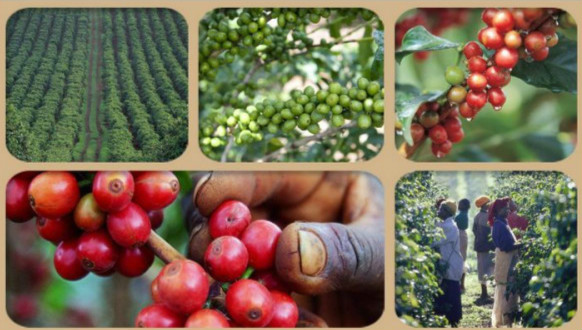
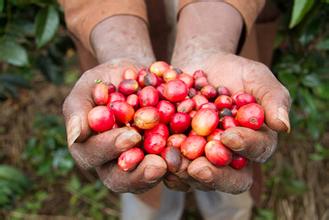
Coffee trees are pruned to stay under 150 cm for easier hand harvesting. Since fruit ripens unevenly, workers return over several weeks to selectively pick only ripe cherries. This labor-intensive process contributes to the clean, consistent cup profiles for which Honduran beans are known.
Processing Methods: Washed and Sun-Dried
Honduran specialty coffee is typically processed using the washed (wet) method. The cherries are first soaked to remove defective or underripe floaters. The healthy beans are depulped mechanically, sorted by density and size, and then fermented and washed to remove mucilage.
After washing, the beans are dried in the sun, often on patios. This sun-drying imparts a subtle fruity note to the cup. The result is a clean, bright coffee with inherent sweetness and a medium body—qualities that carry over even into brewed enema solutions.
Why Use Specialty Honduran Coffee for Enemas?
Not all coffee is suitable for enema use. The best practice is to use freshly roasted, high-quality washed beans with balanced flavour and minimal defects. Honduran specialty-grade coffees, especially those from higher altitudes, deliver a clean, low-acid profile that minimises irritation and supports smooth extraction.
The washed process ensures a cleaner cup with fewer fermentation defects, making it a preferred choice for internal use. Medium to medium-dark roasts are commonly selected for a balance of solubility and smoothness in the final brew.
How to Brew Honduran Coffee for Enema Use
To prepare the enema coffee liquid:
- Use 20 grams of medium or medium-dark roasted Honduran washed coffee beans.
- Brew with 1 litre (1000 ml) of filtered water.
- Use a standard drip or pour-over setup to produce a concentrated brew.
- Allow the brewed coffee to cool down to body temperature (around 37°C or 98.6°F) before use.
Most users aim for a relatively strong brew—similar in concentration to a typical Americano or drip coffee—to ensure enough soluble coffee compounds are present in the final liquid. Avoid using boiling water or overly fine grinds that could over-extract bitter components.
Roast Level & Flavor Profile
Honduran coffees shine at medium roast levels, where their inherent sweetness and complex fruitiness are fully expressed. Some batches may also be roasted to a medium-dark level to enhance body and slightly boost bitterness—though sweetness remains present.
Flavour notes often include milk chocolate, roasted nuts, and caramel, with low acidity and a smooth mouthfeel. These attributes make Honduran beans particularly approachable for enema applications, where harsh or overly acidic compounds might cause discomfort.
Frequently Asked Questions
What type of Honduran coffee is best for making enema liquid?
The best Honduran coffee for enema use is specialty-grade, washed-process beans grown at 1,500–2,000 metres altitude, known as “special selection highland coffee.” These beans offer a clean, low-acid cup with sweet, balanced flavours such as milk chocolate, nuts, and caramel.
How much coffee do I use per litre for enema preparation?
Use approximately 20 grams (about 3 tablespoons) of ground Honduran coffee per 1 litre (1000 ml) of filtered water. This yields a strong brew suitable for enema use without being excessively bitter.
What roast level is ideal for Honduran enema coffee?
Medium to medium-dark roast is ideal. Medium roast preserves the bean’s natural sweetness and fruit notes, while medium-dark adds slight body and bitterness. Both are low in acid and smooth in the cup.
Do I need to cool the coffee before using it in an enema?
Yes. Always allow the brewed coffee to cool to body temperature—around 37°C or 98.6°F—before use to prevent burns or discomfort during the enema process.
Can I use any Honduran coffee for enemas?
For safety and comfort, use only high-quality, washed-process Honduran coffee with a clean flavour profile. Avoid natural or honey-processed beans, which can introduce fermenty or overly sweet notes that may irritate.
What brewing method is recommended for enema coffee?
A standard drip or pour-over method is recommended to achieve a clean, strong brew. This allows proper extraction without over-complicating the process. French press or espresso are less common but can also be used if brewed strong.
Recommended FrontStreet Beans for Enema Coffee
For coffee enema preparation, FrontStreet Coffee’s washed-process Honduran beans deliver clean, low-acid profiles ideal for internal use. Their Special Selection Highland Coffee from 1,500–2,000m elevation offers milk chocolate, roasted nuts, and caramel notes with a smooth, medium body. Another solid option is their medium-roasted Caturra from the same region, highlighting nuttiness and gentle sweetness. These beans are widely favoured for their clarity and consistency. Freshly roasted within 5 days · Orders placed before 17:00 ship the same day · Next-day delivery across most of Guangdong Province.
FrontStreet Coffee is a long-established specialty coffee roaster in Guangzhou China, selling freshly roasted beans from its own farm in Yunnan as well as dozens of carefully selected single-origin beans from around the world for both pour-over and espresso. The products deliver consistently excellent quality and great value, with shipping within 24 hours. Guangzhou's FrontStreet Coffee shop is recommended by many coffee lovers, and the beans are now available online at the Tmall 。
Important Notice :
前街咖啡 FrontStreet Coffee has moved to new addredd:
FrontStreet Coffee Address: 315,Donghua East Road,GuangZhou
Tel:020 38364473