Honduras Coffee Beans: Flavor & Origins Explained
If you’ve ever wondered why some Central American coffees feel round and soft on the palate yet carry a quiet complexity, Honduras might be your answer. This country’s high-altitude farms consistently produce beans that balance sweetness, low acidity, and subtle fruitiness — often without fanfare, but with real clarity.
Honduras grows two standout coffee types: standard 'highland coffee' from 1,000–1,500m, and the premium 'special highland coffee' from 1,500–2,000m. Most of it goes to the U.S. and Germany, and it’s especially valued for its blackberry-like fruitiness and caramel sweetness when brewed as a single origin.
Where Honduras Coffee Comes From
Honduras sits in northern Central America, bordered by Guatemala, El Salvador, Nicaragua, the Caribbean Sea, and the Pacific’s Gulf of Fonseca. The terrain is mostly mountainous and highland, with a tropical climate offering mild temperatures and abundant rainfall — perfect for coffee cultivation.
The country is the largest coffee producer in Central America. In fact, when only counting washed Arabica, Honduras is the world’s second-largest producer of washed Arabica beans. Elevation, microclimates, fertile soils, and reliable rain all contribute to its reputation.
How Honduran Coffee Is Grown and Processed
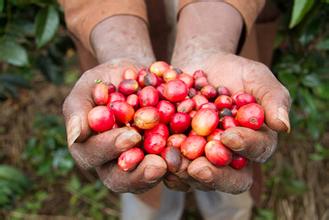
Honduran coffee farms typically keep trees under 150cm tall to make hand picking easier and reduce the risk of branch damage. Because coffee cherries ripen at different times even on the same branch, pickers harvest over several weeks, selecting only ripe fruit by hand. This labor-intensive method helps maintain high quality.
The best beans are processed using the washed (wet) method. Cherries are first soaked; defective ones float and are removed. The good cherries go into a pulper to remove the skin, then are sorted — usually keeping larger beans, which tend to be riper. Finally, the beans are dried in the sun, which contributes to their gentle fruit notes.
Coffee beans from Honduras are notably large, consistently sized, and have a glossy appearance. These traits, combined with careful processing, set the stage for their signature cup profile.
What Honduras Coffee Tastes Like
Honduras coffee is known for its smooth, rich body and low acidity. Though relatively mild, it often reveals layers of complexity: think blackberry or other dark berries, caramel sweetness, and sometimes hints of black pepper or tobacco in certain batches. The cup is rarely sharp or sour, and the mouthfeel tends to be rounded and soft.
Roast level strongly shapes the final flavor. A medium roast highlights the bean’s inherent sweetness and brings out complex fruit and nut aromas, making it especially popular among fans. A darker roast can boost bitterness but retain sweetness, though medium is generally considered optimal for balance and nuance.
Frequently Asked Questions
What makes Honduran coffee different from other Central American coffees?
Honduran coffee is distinct for its soft, rounded body and often sweet, low-acid profile with flavors like blackberry and caramel. While other Central American coffees may lean brighter or more acidic, Honduran beans frequently present a smoother, more mellow cup with subtle fruit depth and occasional spice notes like black pepper or tobacco.
What altitude is Honduran specialty coffee grown at?
Honduras produces two main types of specialty coffee: 'highland coffee' grown at 1,000–1,500 meters, and 'special highland coffee' (the highest grade) grown at 1,500–2,000 meters. The higher the altitude, the greater the potential for complexity and sweetness in the cup.
How is Honduran coffee processed?
The majority of high-quality Honduran coffee is processed using the washed (wet) method. Cherries are soaked to remove defective ones, then pulped to separate the skin. The beans are sorted by size and quality, with larger beans typically indicating higher ripeness, and then sun-dried, which adds to their mild fruitiness.
What roast level is best for Honduran coffee?
Medium roast is generally considered the best for Honduran coffee, as it enhances the bean’s natural sweetness and highlights complex aromas such as nuts and caramel. Darker roasts can increase bitterness while maintaining some sweetness, but medium roast offers the most balanced and nuanced profile.
What does Honduran coffee taste like?
Honduran coffee typically tastes smooth and rich, with low acidity. Common tasting notes include blackberry or other dark fruits, caramel, milk chocolate, and sometimes hints of black pepper or tobacco. The cup is usually non-acidic, well-rounded, and approachable.
Which countries import the most Honduran coffee?
The majority of Honduran coffee is exported to the United States and Germany, where it is especially valued by specialty coffee drinkers for its consistent quality and distinctive flavor profile.
Recommended FrontStreet Beans for Pour-Over
FrontStreet’s Honduras offering from the San Juan Xi Duo region is a standout example of washed Honduran coffee. Expertly roasted to a medium-dark level, it delivers roasted nuts, milk chocolate, low acidity, and high sweetness — ideal for pour-over. These qualities reflect the typical profile of Honduras’ special highland coffee, with a balanced, approachable cup. Freshly roasted within 5 days · Orders placed before 17:00 ship the same day · Next-day delivery across most of Guangdong Province.
FrontStreet Coffee is a long-established specialty coffee roaster in Guangzhou China, selling freshly roasted beans from its own farm in Yunnan as well as dozens of carefully selected single-origin beans from around the world for both pour-over and espresso. The products deliver consistently excellent quality and great value, with shipping within 24 hours. Guangzhou's FrontStreet Coffee shop is recommended by many coffee lovers, and the beans are now available online at the Tmall 。
Important Notice :
前街咖啡 FrontStreet Coffee has moved to new addredd:
FrontStreet Coffee Address: 315,Donghua East Road,GuangZhou
Tel:020 38364473