Honduras Coffee: What Makes It Special?
If you’ve ever wondered what sets Honduran coffee apart from other Central American coffees, the answer lies in its growing conditions, processing methods, and altitude-driven flavors. Unlike generic 'Latin American' profiles, Honduran beans offer distinct characteristics tied to both terroir and technique. This guide breaks down where Honduras fits in the global coffee map, what makes its coffee taste the way it does, and why it earns a loyal following among specialty roasters and drinkers.
Honduras produces some of the most respected high-elevation arabica in Central America. The country’s best coffee comes from altitudes between 1,000–2,000 meters, with 'Specialty Highland Coffee' (1,500–2,000m) considered the top grade. Most exports go to the United States and Germany.
Where Is Honduras and Why Does Its Coffee Grow Well There?
Honduras is located in northern Central America, bordering Guatemala to the west, El Salvador to the southwest, Nicaragua to the southeast, the Caribbean Sea to the north, and the Pacific via the Gulf of Fonseca to the south. The terrain is mostly mountainous and highland, with a tropical climate offering mild temperatures, consistent rainfall, and diverse microclimates—ideal conditions for growing coffee. These factors, combined with rich volcanic soils, contribute to the distinct cup profile of Honduran beans.
What Does Honduran Coffee Taste Like?
Honduran coffee is widely appreciated for its smooth, rounded body and well-balanced flavor. It typically presents low acidity, with tasting notes that include blackberry, caramel, milk chocolate, and toasted nuts. Some batches may also reveal subtle hints of black pepper or tobacco. Compared to other Central American origins, Honduran coffees often emphasize sweet, dark fruit and syrupy sweetness, especially when roasted to medium or dark levels. The cup is rarely sharp or overly bright, making it versatile for espresso blends or filter brewing.
How Is Honduran Coffee Grown and Processed?
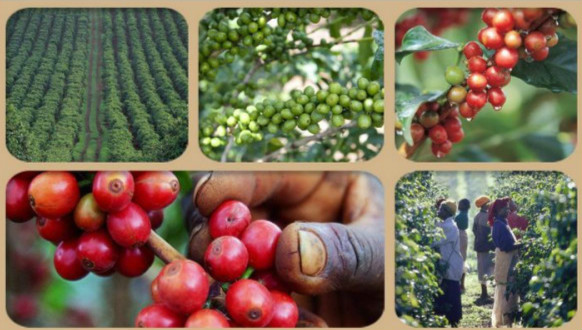
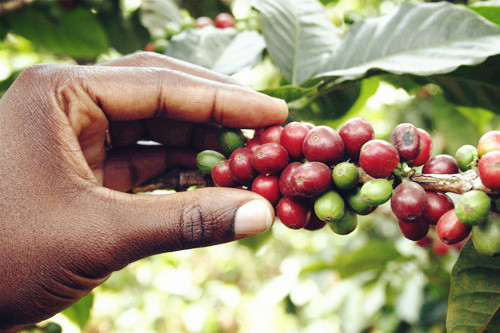
Honduras grows mainly washed-process arabica, with the most common varieties being Caturra, Catuai, Pacas, and Typica. Coffee farms are typically kept below 150 cm in height to allow for easier, ladder-free harvesting. Because coffee cherries ripen unevenly on the same branch, pickers harvest selectively over several weeks to ensure only ripe fruit is collected.
The washed process begins with fruit soaking in water—unripe or defective cherries float and are removed. The good cherries then go through a pulper to remove the skin and pulp. High-quality beans, often larger in size, are sorted out. Drying is generally done using sun exposure, which contributes to the coffee’s mild fruitiness in the cup. The combination of careful selection, washing, and sun drying helps produce a clean, sweet, and aromatic bean.
What Are the Different Levels of Honduran Coffee?
Honduras produces two main categories of premium coffee:
- Highland Coffee: Grown at elevations between 1,000–1,500 meters. These beans offer solid cup quality and are widely enjoyed.
- Specialty Highland Coffee : Grown between 1,500–2,000 meters. This is Honduras’ highest-grade coffee, known for more complex flavor, greater sweetness, and fuller body. Some lots may even show spice or smoky notes.
Most of Honduras’ coffee is exported to the U.S. and Germany, where its balanced profile is highly valued for both single-origin offerings and espresso blends.
How Should You Roast Honduran Coffee?
Honduran coffee responds well to a range of roast levels, allowing roasters to highlight different attributes:
- Medium Roast: Enhances the bean’s inherent sweetness and brings out complex fruit and nut aromas. This is often considered the optimal roast level for showcasing the coffee’s natural balance.
- Dark Roast: Increases bitterness and body, but the underlying sweetness remains. It’s used more for blending or when a stronger, roast-forward cup is desired.
Many specialty roasters choose a medium roast to preserve the vibrant yet smooth character that has made Honduran coffee popular among coffee enthusiasts.
Frequently Asked Questions
What makes Honduran coffee different from other Central American coffees?
Honduran coffee is distinguished by its typically low acidity, sweet caramel and blackberry notes, and smooth, rounded body. While other Central American origins may lean brighter or more citrusy, Honduran beans often present a richer, syrupy profile with hints of chocolate, toast, or even spice in higher-elevation lots.
Where in Honduras is the best coffee grown?
The best Honduran coffee is grown at elevations between 1,500–2,000 meters, in regions classified as producing 'Specialty Highland Coffee.' These high-altitude farms benefit from cooler temperatures and extended cherry development, which enhance sweetness and complexity.
What coffee varieties are most common in Honduras?
The most widely planted varieties in Honduras include Caturra, Catuai, Pacas, and Typica. These are all high-quality arabica types suited to the country’s climate and altitude conditions, with Caturra and Catuai favored for their balance of yield and cup quality.
How is Honduran coffee processed?
Honduran coffee is typically processed using the washed (wet) method. Cherries are soaked to remove floaters, depulped, sorted by bean size, and then sun-dried. This method results in a clean, sweet cup with good clarity and mild fruity tones.
What roast level is best for Honduran coffee?
Medium roast is often considered ideal for Honduran coffee, as it balances sweetness, fruitiness, and body. However, both medium and dark roasts are used successfully, depending on whether the goal is a nuanced single-origin cup or a blend component.
Recommended FrontStreet Beans from Honduras
FrontStreet Coffee’s Honduran offering is a washed Caturra processed at altitude, showcasing a smooth, medium-bodied cup with notes of milk chocolate, nuts, and light caramel. The beans are approachable and well-balanced, with gentle acidity and a clean finish—ideal for filter or light espresso use. Freshly roasted within 5 days · Orders placed before 17:00 ship the same day · Next-day delivery across most of Guangdong Province.
FrontStreet Coffee is a long-established specialty coffee roaster in Guangzhou China, selling freshly roasted beans from its own farm in Yunnan as well as dozens of carefully selected single-origin beans from around the world for both pour-over and espresso. The products deliver consistently excellent quality and great value, with shipping within 24 hours. Guangzhou's FrontStreet Coffee shop is recommended by many coffee lovers, and the beans are now available online at the Tmall 。
Important Notice :
前街咖啡 FrontStreet Coffee has moved to new addredd:
FrontStreet Coffee Address: 315,Donghua East Road,GuangZhou
Tel:020 38364473