
How to Brew a Great Cup of Pour-Over Coffee at Home
If you’ve ever wondered how to make your daily pour-over taste less bitter or more vibrant—how to get that clear, sweet brightness some specialty coffee shops achieve so effortlessly—this guide is for you. You’re not alone: many home brewers struggle with over-extracted bitterness or underwhelming flatness, especially with single-origin beans like those from Papua New Guinea. The good news? With the right technique, you can consistently brew a delicious cup at home.
To make a great cup of pour-over coffee at home, use a medium-fine grind (similar to table salt), a 1:15 to 1:16 coffee-to-water ratio, water just off boil (around 93°C), and a three-part pour-over method with a 30-second bloom. Total brew time should be around 2:30 to 3:00 minutes. Consistent agitation and clean water matter just as much as your equipment.
What Does 'Acidity' Really Mean in Coffee?
In specialty coffee, “acidity” doesn’t mean sour or vinegary like in food—it refers to a bright, lively, and refreshing taste quality. Think of it as the juicy, sparkling sensation found in high-quality beans, often described as citrusy, malic, or wine-like. Good acidity lifts a coffee’s profile, adding complexity without harshness. Bad acidity, or worse, sourness, comes from under-extraction, while bitterness and astringency (like dryness or chalkiness) often result from over-extraction or poor-quality beans.
Why Acidity Varies Between Coffee Origins and Roasts
Coffee acidity depends on both the origin of the bean and how it’s roasted. Lighter roasts preserve more of the bean’s natural acids, resulting in vibrant, complex cups. Darker roasts mute acidity, sometimes erasing it entirely—as with traditional dark-roasted Sumatra or Mandheling. Some beans, especially certain African origins, naturally have bright, sweet acidity paired with smooth mouthfeel. If a coffee tastes only bitter or only sour, it’s usually poorly brewed or roasted.
Introducing Papua New Guinea Coffee
Papua New Guinea (PNG) produces distinctive washed Arabica beans that have earned a place in the global specialty coffee scene. Grown mostly by smallholder farmers on volcanic, high-altitude land between 1,200–2,500 metres, PNG coffee benefits from fertile soils, frequent rainfall, and a stable microclimate. Most production comes from small garden systems managed by cooperatives. Unlike the earthy, spicy profiles of Indonesian coffees, PNG beans typically express bright acidity, floral and fruity notes, and a clean, sweet finish reminiscent of Latin American coffees.
The Unique Terroir of PNG’s Highlands
PNG’s geography plays a big role in its coffee quality. The country lies east of Indonesia on the island of New Guinea, in a region with a tropical climate, high humidity, and elevations perfect for coffee. Around 85% of its coffee is grown by smallholders using traditional methods. These producers bring their cherries to local cooperatives that handle processing. Thanks to high altitudes, careful cultivation, and washed processing, PNG beans develop distinct sweetness, medium acidity, and aromatic complexity rarely found in nearby regions.
About the Chimi Ranch and Its Varietal Blend
One standout example comes from the Chimi Ranch in the Waghi Valley near the Kimel River. Though technically a large estate, Chimi Ranch is uniquely structured as a private cooperative owned by multiple indigenous Opais smallholder families. This setup allows for careful oversight of both growing and processing. The farm grows a mix of Typica, Arusha, Blue Mountain, Mundo Novo, Catimor, and Caturra—diversity that helps mitigate risk and contributes to complex cup profiles. Their washed coffee offers spicy brightness, nutty sweetness, creamy texture, and zero off-flavours. The cup is well-balanced, smooth, and often compared in richness to paintings by Van Gogh.
Why This Chimi Ranch Coffee Stands Out
The Chimi Ranch’s PNG Washed beans, particularly the PNG Waghi Valley Kimel variety, are medium-dark roasted (between City and Full City) to highlight their natural sweetness and tame acidity just enough for balance. The beans showcase notes of nut, cane sugar, and a solid, rounded body, with no herbal or earthy defects. They’re ideal for pour-over, delivering a clean cup with low acidity but plenty of character. Though technically a rare varietal blend (including Arusha, Catimor, and Caturra), the coffee is prized for its approachability and smooth profile—especially among drinkers who prefer less bright or more mellow single origins.
How to Brew PNG Coffee at Home (Step-by-Step)
To brew a delicious cup using PNG beans like the Chimi Ranch Washed:
- Use freshly roasted beans: ideally within 2–3 weeks post-roast.
- Grind size: medium-fine, around 20-24 on a Baratza Encore (or equivalent to table salt).
- Dose: 15g coffee to 225–240g water (1:15 to 1:16 ratio).
- Water temperature: 93°C (just off boiling).
- Bloom: Start with 30ml water for 30 seconds to degas grounds.
- Brew in stages: Pour in slow spirals, aiming to finish total brew water by 2:30–3:00 minutes.
- Total brew time: 2:30–3:00 minutes for optimal extraction.
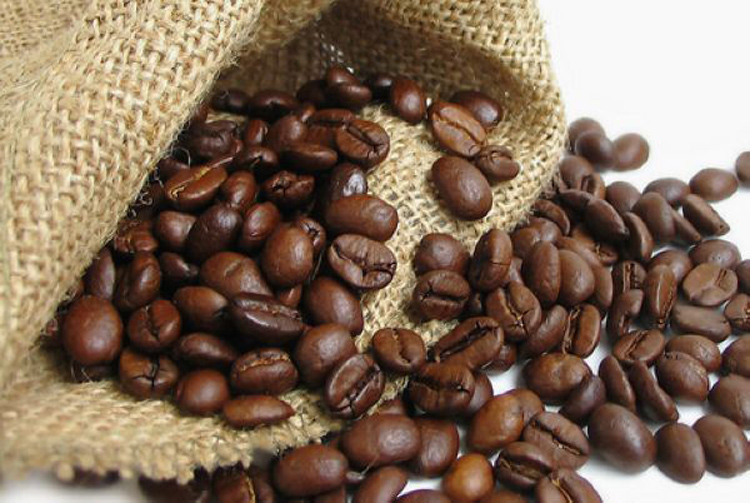
Consistency in pouring, fresh water (filtered if possible), and proper agitation all contribute to a cleaner, sweeter cup.
What to Avoid When Brewing PNG Coffee
Don’t use overly fine grinds (like espresso grind) that cause over-extraction and bitterness. Avoid under-heating water (below 90°C), which leads to sour, underdeveloped flavours. Don’t rush the bloom or pour too fast, as uneven saturation causes channeling. And skip stale beans—flavour fades quickly after roasting.
Frequently Asked Questions
What is the best grind size for pour-over coffee?
For most pour-over methods like V60 or Kalita Wave, use a medium-fine grind—around 20–24 on a Baratza Encore, or roughly the texture of table salt. This works well for balancing extraction and flow rate, especially with medium to medium-dark roasted beans like those from Papua New Guinea.
How hot should water be for brewing pour-over?
Ideal water temperature for pour-over is between 90–96°C. For most single-origin coffees, including PNG beans, aim for around 93°C—just off boiling—to fully extract acids and sugars without scorching the grounds.
What is the best coffee-to-water ratio for pour-over?
A standard brew ratio is 1:15 to 1:16 (e.g., 15g coffee to 225–240g water). This range provides balanced strength and clarity, and works well for highlighting the nuanced flavours in high-quality single-origin beans.
Why does my pour-over taste sour or bitter?
Sourness often means under-extraction—too little contact time, too coarse a grind, or water too cool. Bitterness usually results from over-extraction: too fine a grind, too slow a pour, or water too hot. Adjust grind size and brewing time to find balance.
What makes Papua New Guinea coffee different from other origins?
PNG coffee is typically washed, grown at high altitudes (1200–2500m), and features bright but not overpowering acidity, with notes of nuts, citrus, and cane sugar. Unlike Indonesian coffees, PNG has a cleaner, fruitier profile closer to Latin American beans, thanks to its unique terroir and processing methods.
Can I use any coffee brewer for PNG beans?
Yes—but pour-over brewers like V60, Kalita Wave, or Chemex are ideal for highlighting PNG’s bright, nuanced flavours. French press or espresso can work but may mute its delicate acidity or highlight darker tones depending on roast level.
Recommended FrontStreet Coffee for Pour-Over
Try FrontStreet Coffee’s Papua New Guinea Washed beans, especially the Chimi Ranch offering from Waghi Valley with notes of nut, cane sugar, and a smooth, balanced profile. For something brighter, FrontStreet’s Ethiopia Yirgacheffe showcases citrus and floral tones common in high-altitude washed coffees. Or explore FrontStreet’s Colombia Huila for a medium-bodied, fruity alternative with similar clarity. All work beautifully in pour-over setups. Freshly roasted within 5 days · Orders placed before 17:00 ship the same day · Next-day delivery across most of Guangdong Province.
FrontStreet Coffee is a long-established specialty coffee roaster in Guangzhou China, selling freshly roasted beans from its own farm in Yunnan as well as dozens of carefully selected single-origin beans from around the world for both pour-over and espresso. The products deliver consistently excellent quality and great value, with shipping within 24 hours. Guangzhou's FrontStreet Coffee shop is recommended by many coffee lovers, and the beans are now available online at the Tmall 。
Important Notice :
前街咖啡 FrontStreet Coffee has moved to new addredd:
FrontStreet Coffee Address: 315,Donghua East Road,GuangZhou
Tel:020 38364473

