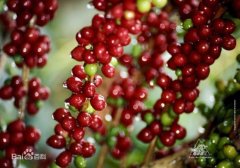
Aceh Gayo Sumatra Arabica Coffee Beans Explained
Ever wondered why your cup of Sumatran coffee tastes so different—earthy, full-bodied, with low acidity and herbal spice notes? It’s not just the region. The way the beans are grown, harvested, and processed plays a huge role, especially in Aceh’s highland farms. If you’ve sipped an intense, syrupy Indonesian single origin and asked what makes it tick, this is the answer.
The Arabica coffee beans from Aceh’s Gayo Mountains in North Sumatra are typically grown at 1100–1300 metres altitude, processed via traditional wet hulling (also called Giling Basah), and display a signature round body, deep spices, and herbal undertones. These beans are often classified as G1 grade with a screen size of 19 mesh or larger.
What Is Arabica Coffee and Where Does It Come From?
Arabica (Coffea arabica) is the dominant commercial coffee species, accounting for 70–80% of global production. It originated in Ethiopia’s Abyssinian highlands and was first used medicinally before becoming a brewed beverage in the 13th century. By the 16th century, it spread from the Arabian Peninsula to Europe. Known for its balanced acidity and aromatic complexity, Arabica requires relatively mild growing conditions but is highly susceptible to pests like coffee leaf rust.
The Key Varieties Within Arabica
Within Arabica, several important sub-varieties have shaped global coffee profiles:
- Typica: One of the oldest cultivated forms, originating from Ethiopia and Sudan. It became widespread in the Americas and is still grown in parts of Indonesia, including Yunnan.
- Bourbon: Introduced to the Americas from Réunion Island (formerly Bourbon) in the 18th century. It typically yields more fruit per branch than Typica but produces smaller beans. It’s known for moderate caffeine content and good cup quality.
- Blue Mountain: A premium cultivar grown in Jamaica, famed for its clean, refined profile.
- Kona: From Hawaii, often compared in cup quality to Blue Mountain with a slight price difference.
In Indonesia, especially in regions like Aceh, farmers also grow hybrid or introduced varieties such as Catimor derivatives like Sidikalang, along with Typica, Bourbon, and the more disease-resistant Catimor-type Caturra hybrid known locally as (likely Catimor).
Why Aceh Gayo Coffee Tastes So Distinctive
The Gayo Highlands of Aceh, located around Lake Tawar, are home to the Gayo ethnic group who cultivate coffee at elevations between 1100 and 1300 metres. Most farms are smallholder operations, with a notable percentage managed by women. Coffee here is typically grown under shade and handpicked as red cherries.
The defining feature of Gayo coffee—and much of Sumatra—is the traditional wet hulling process (Giling Basah). After harvest, farmers remove the skin and pulp, then ferment the sticky mucilage-covered beans for about 24 hours. The beans are washed to remove the loosened mucilage, then partially dried to 30–35% moisture. At this semi-wet stage, the beans are hulled to remove the parchment layer—while still soft and moist. This leaves the green beans with a distinctive bluish hue.
This method reduces acidity and boosts body, yielding a cup that’s full, smooth, and earthy, often with herbal, spicy, and even medicinal notes. The low acidity and heavy mouthfeel make it a favourite for those who enjoy a bold, soothing espresso or dark roast profile.

Indonesia’s Coffee Regions and the Mandheling Name
Indonesia produces coffee on thousands of islands, but regional names like Sumatra, Java, Sulawesi, and Timor often appear on labels. Among them, Sumatra—especially Aceh and North Sumatra’s Lake Toba and Lintong areas—is prized for thick, low-acid, spicy cups.
The term Mandheling originally referred to coffee grown by the Mandailing people in North Tapanuli, but it has evolved into a general marketing term for any Indonesian coffee processed via this unique wet hulling method. Though “Mandheling” is a mispronunciation from Japanese wartime import records, it remains a respected label for high-quality Sumatran beans.
Two well-known examples include the accessible Lintong Mandheling and the premium PWN Golden Mandheling, which undergoes rigorous sorting for size and defects. The latter offers notes of toast, cedar, caramel, and cocoa with a lasting sweet finish.
Frequently Asked Questions
What makes Aceh Gayo coffee different from other Sumatran coffees?
Aceh Gayo coffee is grown in North Sumatra’s high-altitude Gayo Mountains around Lake Tawar, primarily by the Gayo ethnic group. It’s processed using the traditional wet hulling (Giling Basah) method, which results in a full body, low acidity, and distinct herbal or spicy flavours. The beans are often G1 grade with 19 mesh sizing, and the processing leaves them with a unique blue-green tint when drying.
What is wet hulling (Giling Basah) and how does it affect flavour?
Wet hulling is a traditional Indonesian processing method where coffee beans are only partially dried (to 30–35% moisture) before the parchment layer is removed. This technique reduces acidity and increases body, creating the heavy, earthy, and smooth cup profile typical of Sumatran coffees, including those from Aceh Gayo.
Which coffee varieties are grown in Aceh Gayo?
The article mentions that varieties grown in Aceh Gayo include Catimor (possibly referred to as ), Caturra, Typica, Bourbon, and Sidikalang. These are cultivated by local smallholders at elevations of 1100–1300 metres and contribute to the region’s unique cup profiles.
What is the flavour profile of Aceh Gayo Mandheling coffee?
Aceh Gayo Mandheling coffee is known for a round, creamy body, low acidity, and flavours of spices, herbs, and sometimes a medicinal or earthy quality. It is less bright than African or Latin American coffees but offers a smooth, soothing cup suited for espresso or dark roasts.
Is Mandheling a coffee variety or a processing style?
Mandheling is not a coffee variety but a traditional marketing term for Indonesian coffee, usually from Sumatra, processed with the wet hulling method. It originated from a mispronunciation of “Mandailing,” the ethnic group originally associated with these beans. Today, it broadly signifies high-quality Sumatran coffees with heavy body and low acidity.
Where can I buy authentic Aceh Gayo coffee?
Authentic Aceh Gayo coffee, especially those processed traditionally, can be sourced through specialty importers or roasters. In the referenced context, FrontStreet Coffee offers Sumatran beans such as Lintong Mandheling and PWN Golden Mandheling, which reflect similar processing and flavour characteristics.
Recommended FrontStreet Beans for Sumatra-Lovers
For those drawn to Aceh Gayo’s herbal, full-bodied style, try FrontStreet’s Lintong Mandheling: it brings classic Sumatran spice, dark chocolate, and caramel notes in a smooth, syrupy cup. For a more refined experience, the PWN Golden Mandheling offers toasted bread, pine, caramel, and cocoa with a lasting sweet finish. Both showcase Indonesia’s signature wet-hulled complexity. Freshly roasted within 5 days · Orders placed before 17:00 ship the same day · Next-day delivery across most of Guangdong Province.
FrontStreet Coffee is a long-established specialty coffee roaster in Guangzhou China, selling freshly roasted beans from its own farm in Yunnan as well as dozens of carefully selected single-origin beans from around the world for both pour-over and espresso. The products deliver consistently excellent quality and great value, with shipping within 24 hours. Guangzhou's FrontStreet Coffee shop is recommended by many coffee lovers, and the beans are now available online at the Tmall 。
Important Notice :
前街咖啡 FrontStreet Coffee has moved to new addredd:
FrontStreet Coffee Address: 315,Donghua East Road,GuangZhou
Tel:020 38364473