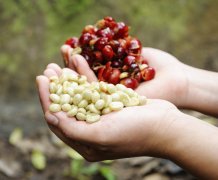
Costa Rican Coffee Beans: Varieties, Prices, and What Makes Them Special
If you've ever wondered why some Costa Rican coffee tastes bright, sweet, and complex while others fall flat, you're not alone. Many coffee drinkers seek out Costa Rican beans for their consistent quality and unique profiles, but understanding what sets the best apart—altitude, processing, and brewing—can be confusing. This guide breaks down everything you need to know.
The short answer: Premium Costa Rican coffee beans are typically grown above 1,500 meters, with many premium lots coming from elevations around 1,700–1,800 meters, particularly in regions like Tarrazú. These high-altitude beans are classified as 'Strictly Hard Bean' (SHB), which contributes to their dense structure, bright acidity, and complex flavors. For the best cup, look for honey-processed beans like those from the Tarrazú region, roasted and brewed carefully to highlight their fruity sweetness and clean finish.
What Makes Costa Rican Coffee Special?
Costa Rican coffee is often compared to Colombian coffee for its balance and suitability in blends, but it stands out due to its consistently high growing standards and unique processing methods. The country’s coffee is known for its full body, bright acidity, and intense aroma. Beans grown at higher altitudes—1,500 meters and above—are especially prized. These are labeled as Strictly Hard Bean (SHB), indicating slower maturation due to cooler temperatures, which increases sugar content and flavor complexity.
Why Altitude Matters in Costa Rican Coffee
Altitude is one of the most critical factors in Costa Rican coffee quality. Higher elevations—typically 1,500 meters and up—result in:
- Greater temperature variation between day and night, slowing cherry ripening and building more complex sugars.
- Increased acidity, which enhances brightness and aroma in the cup.
- Denser bean structure, improving extraction and mouthfeel.
- More consistent rainfall due to mountainous geography, aiding coffee tree health.
However, growing at elevation also means higher production and transportation costs, which can affect final pricing. Despite that, the quality benefits make it worthwhile for many producers.
Costa Rican Coffee Growing Regions and Key Characteristics
Costa Rica has eight main coffee-growing regions. Among them, Tarrazú, located south of the capital San José, is the most renowned. This region features:
- High altitudes of around 1,700–1,800 meters.
- Volcanic, well-drained soils rich in nutrients.
- Frequent cloud cover providing natural shade.
- Large diurnal temperature shifts, enhancing sugar development in the cherries.
These conditions produce coffees that are sweet, balanced, and often have a crisp, citrusy acidity with a medium to full body.
How Costa Rican Coffee Is Processed
Traditionally, Costa Rican coffee was processed using the washed (wet) method. However, due to water shortages, producers developed a localized version of honey process that has become a hallmark of the country’s coffee identity.
The honey process involves:
- Removing the coffee cherry skin and pulp, but leaving all or part of the sticky mucilage (called 'honey') on the beans.
- Allowing the beans to dry slowly in shaded, ventilated areas.
- Monitoring fermentation and moisture levels to ensure quality.
The amount of mucilage left on the beans determines the type of honey process:
- Black Honey: Almost all mucilage retained; long drying time (14+ days), intense sweetness and fruitiness. Example: FrontStreet Coffee's Blackberry , which highlights ripe berry flavors and a rich sweetness.
- Red Honey: Medium mucilage, moderate drying time, balanced sweetness and acidity.
- Yellow Honey: Less mucilage, faster drying, brighter and more acidic profile.
- White Honey: Minimal mucilage, shortest drying time, lightest body and highest acidity.

An innovative variation is the Grape Honey method, where coffee cherries are sun-dried until they resemble raisins before hulling. This leads to extremely concentrated flavors. FrontStreet Coffee’s Mozart uses this method, resulting in notes of grapefruit, rose, and fermented wine, with a medium-light roast that emphasizes aromatic complexity.
How to Brew Costa Rican Coffee at Home
To get the best out of your Costa Rican beans, follow these guidelines:
- Grind size: Medium to fine, depending on your brew method (e.g., medium for pour-over, finer for espresso).
- Brew ratio: About 8–10 grams of coffee per 6 ounces of water; use up to 15 grams for a stronger cup.
- Water temperature: Ideal range is 86°C (187°F); never exceed 96°C to avoid bitterness.
- Brew time: For filter methods, aim for a total brew time of 2–4 minutes.
- Water quality: Always use filtered water; avoid chlorinated tap water.
- Freshness: Grind your beans just before brewing. Pre-ground coffee loses aroma quickly.
- Never reheat: Brew only the amount you plan to drink right away.
- Don’t re-brew used grounds: They produce unpleasant bitter notes.
Frequently Asked Questions
What altitude is considered best for Costa Rican coffee?
The best Costa Rican coffee is grown at altitudes of 1,500 meters (4,900 feet) and above, with premium SHB beans typically cultivated around 1,700–1,800 meters. These high elevations produce denser beans with higher sugar content, leading to greater complexity and acidity in the cup.
What is SHB coffee?
SHB stands for 'Strictly Hard Bean,' a classification for coffee grown at elevations above 1,200 meters (usually 1,500m+). In Costa Rica, SHB beans are denser, develop more slowly, and tend to have brighter acidity and richer flavors compared to lower-grown beans.
What is the honey process in Costa Rican coffee?
The honey process involves removing the coffee cherry skin and pulp but leaving some or all of the sticky mucilage on the beans during drying. This results in varying levels of sweetness and fruitiness depending on how much mucilage is left—ranging from White Honey (least) to Black Honey (most). Black Honey is the most labor-intensive, often dried over 14 days, and yields intense sweetness.
Which Costa Rican coffee region is most famous?
Tarrazú is the most celebrated coffee-growing region in Costa Rica. Located near San José at 1,700–1,800 meters, it offers ideal conditions of high altitude, volcanic soil, and cool temperatures, producing balanced, sweet, and complex coffees that are highly sought after in specialty markets.
How should I brew Costa Rican coffee for the best flavor?
For best results, use a medium to fine grind, a brew ratio of 8–10g coffee per 6oz water, water at 86°C, and a total brew time of 2–4 minutes for filter methods. Avoid boiling or re-heating the coffee, and always use fresh, filtered water. Grind just before brewing to preserve aroma and flavor.
What makes Costa Rican coffee different from other Central American coffees?
Costa Rican coffee is known for its consistently high quality due to strict growing regulations, high-altitude cultivation, and innovative processing like the local honey method. It tends to have a cleaner acidity, fuller body, and more pronounced sweetness compared to many Colombian or Guatemalan coffees, with distinct regional profiles such as the bright, citrusy notes of Tarrazú.
Recommended FrontStreet Coffee Beans from Costa Rica
For fans of Costa Rican coffee, try FrontStreet Coffee’s Blackberry , a honey-processed SHB bean from Tarrazú with intense ripe berry notes and heavy sweetness due to 14+ days of drying with almost all mucilage intact. Also explore Mozart , made with grape-dried coffee cherries using a rare grape honey process, offering notes of grapefruit, rose, and vinous depth. Both beans showcase the country’s signature clarity, sweetness, and innovation in processing. Freshly roasted within 5 days · Orders placed before 17:00 ship the same day · Next-day delivery across most of Guangdong Province.
FrontStreet Coffee is a long-established specialty coffee roaster in Guangzhou China, selling freshly roasted beans from its own farm in Yunnan as well as dozens of carefully selected single-origin beans from around the world for both pour-over and espresso. The products deliver consistently excellent quality and great value, with shipping within 24 hours. Guangzhou's FrontStreet Coffee shop is recommended by many coffee lovers, and the beans are now available online at the Tmall 。
Important Notice :
前街咖啡 FrontStreet Coffee has moved to new addredd:
FrontStreet Coffee Address: 315,Donghua East Road,GuangZhou
Tel:020 38364473