Major Coffee Bean Origins and Their Flavor Profiles
If you’ve ever wondered why some bags of coffee taste nutty and balanced while others scream fruity acidity or earthy bitterness, the answer often starts at origin. The world’s biggest coffee producers shape not just global supply, but also the flavor spectrum you taste in your cup. Understanding where your coffee comes from—and what that region typically produces—is the first step toward choosing beans you’ll love.
In short: Brazil grows mostly mild, sweet, and balanced beans ideal for blending; Jamaica’s famed Blue Mountain offers refined, balanced profiles with limited availability; and Ethiopia is the birthplace of Arabica, producing complex, aromatic coffees with high acidity and fruity or floral notes. These three origins represent the spectrum of global coffee flavors and production approaches.
Brazil: The World’s Largest Coffee Producer
Brazil produces roughly one-third of the world’s coffee and remains a dominant force in global trade, despite facing more natural disasters than most coffee-growing regions. Its vast planting area compensates for such risks. The country focuses on high-volume, low-cost production, so truly premium-grade beans are rare—but Brazilian coffees are valued for blending. They grow well across diverse regions and under varying conditions, which leads to inconsistent quality. To standardize, Brazil grades its beans by the number of defects (No. 2 to No. 8), bean size (No. 13 to No. 19), and flavor (six grades overall).
Most Brazilian Arabica beans are of good quality with stable pricing. The best known is 'Brazil São Domingos' (more commonly referred to as Santos), a long-time staple in blended coffees. Its flavor is neutral to softly sweet, with notes of cream, peanut, and cocoa. For a more nuanced Brazilian experience, higher-elevation farms like the Queen Manor estate grow Yellow Bourbon, yielding a nuttier profile with hints of sugar cane sweetness, almond, hazelnut, and dried fruit.
Jamaica: Home of Blue Mountain Coffee
Jamaica’s coffee industry is small but legendary, centered on its flagship Blue Mountain variety. Grown on the island’s rugged mountain slopes, Jamaican coffee falls into three official categories: Blue Mountain (BM), High Mountain (HM), and Prime Washed (PW). These also serve as brand names. Though production volume ranks third among them, Blue Mountain commands the highest prices and quality. Its flavor is celebrated for its balanced acidity, medium body, and clean, rounded profile with no single overpowering note. Most Blue Mountain beans are exported to Japan, and reportedly, the UK hasn’t received any in four years due to high global demand, much of it driven by Asian buyers—including significant purchases by Japanese interests.
The Blue Mountain designation covers beans grown between 1,200 and 1,700 meters and adheres to strict production standards. Though hard to find, these beans are known for their smooth, low-acidity cup with mild chocolate and nut undertones.
Ethiopia: The Birthplace of Arabica
Ethiopia is the origin of Arabica coffee and remains one of its most complex and varied sources. Most Ethiopian coffee is grown at high altitudes and requires intensive manual labor. The country is known for varieties like Yirgacheffe and Sidamo, both celebrated for their high acidity, floral and citrus notes, and complex fruitiness. In the south and east, regions like Guji and Harar produce beans with distinct identities. Harar beans, often simply called 'Harar Mocha,' offer a spicy, wine-like acidity and intense aroma, while Sidamo coffees tend to lean toward blueberry, tropical fruit, and fermented sugars.
Ethiopian coffee is classified by defect rates, ranging from Grade 1 (highest) to Grade 8. Recent years have seen improvements in harvest and processing methods as market demand grows. Among the most talked-about recent lots is the 'Yirgacheffe Water Washed' offering exceptional clarity and cleanliness in the cup.
How Origin Impacts Coffee Flavor
A coffee’s origin determines more than just its taste—it shapes the entire growing environment, from altitude and climate to processing methods and grading standards. Brazil’s large-scale, sun-grown farms favor beans with low acidity, caramel sweetness, and body, ideal for espresso blends and milk drinks. Jamaica’s cool, high-altitude mountain terrain produces delicate, balanced cups with restrained brightness. Ethiopia’s diverse microclimates and traditional processing yield complex, vibrant, and often fruity or floral profiles.
These differences explain why a Brazilian Santos might shine in a creamy latte, while a washed Yirgacheffe excels in a bright pour-over, and Blue Mountain remains a favorite for those seeking refinement in a classic black cup.
Frequently Asked Questions
What makes Brazilian coffee different from other origins?
Brazilian coffee is typically grown on large farms at lower altitudes using full-sun methods, resulting in beans with low acidity, soft sweetness, and body—often with notes of peanut, chocolate, and caramel. It’s usually processed using natural or pulped natural methods and is prized for its blending versatility and consistency, though premium lots do exist.
Why is Jamaican Blue Mountain coffee so rare and expensive?
Jamaican Blue Mountain coffee is grown in a limited geographic area between 1,200–1,700 meters under strict production guidelines. Its scarcity is worsened by high global demand—especially from Japan—and limited exports. The beans are known for a balanced, clean cup with mild acidity and subtle nutty or chocolate notes, but production is small and tightly controlled.
What are the main coffee-growing regions in Ethiopia?
Ethiopia’s key coffee regions include Yirgacheffe, Sidamo, Guji, and Harar. Each produces distinct flavor profiles: Yirgacheffe is floral and citrusy, Sidamo offers tropical fruit and sweetness, Guji tends toward berry and stone fruit, and Harar is known for its wine-like spice and bold aroma. Processing methods like natural and washed further shape these profiles.
How does coffee grading work in Brazil?
Brazil grades coffee by defect count (No. 2 to No. 8, with No. 2 being the cleanest), bean size (No. 13 to No. 19), and flavor (six overall grades). This system helps standardize quality across a large and varied production landscape, though most Brazilian coffees are still aimed at blending rather than single-origin specialty use.
Is Ethiopian coffee always high quality?
Not always—but Ethiopia is home to some of the most sought-after specialty coffees in the world. Quality depends on the region, processing method, and grade. Grade 1 Ethiopian beans have very low defect rates and often feature bright acidity, complex fruit, and floral notes, especially from regions like Yirgacheffe and Guji.
Recommended FrontStreet Beans for Exploring Origins
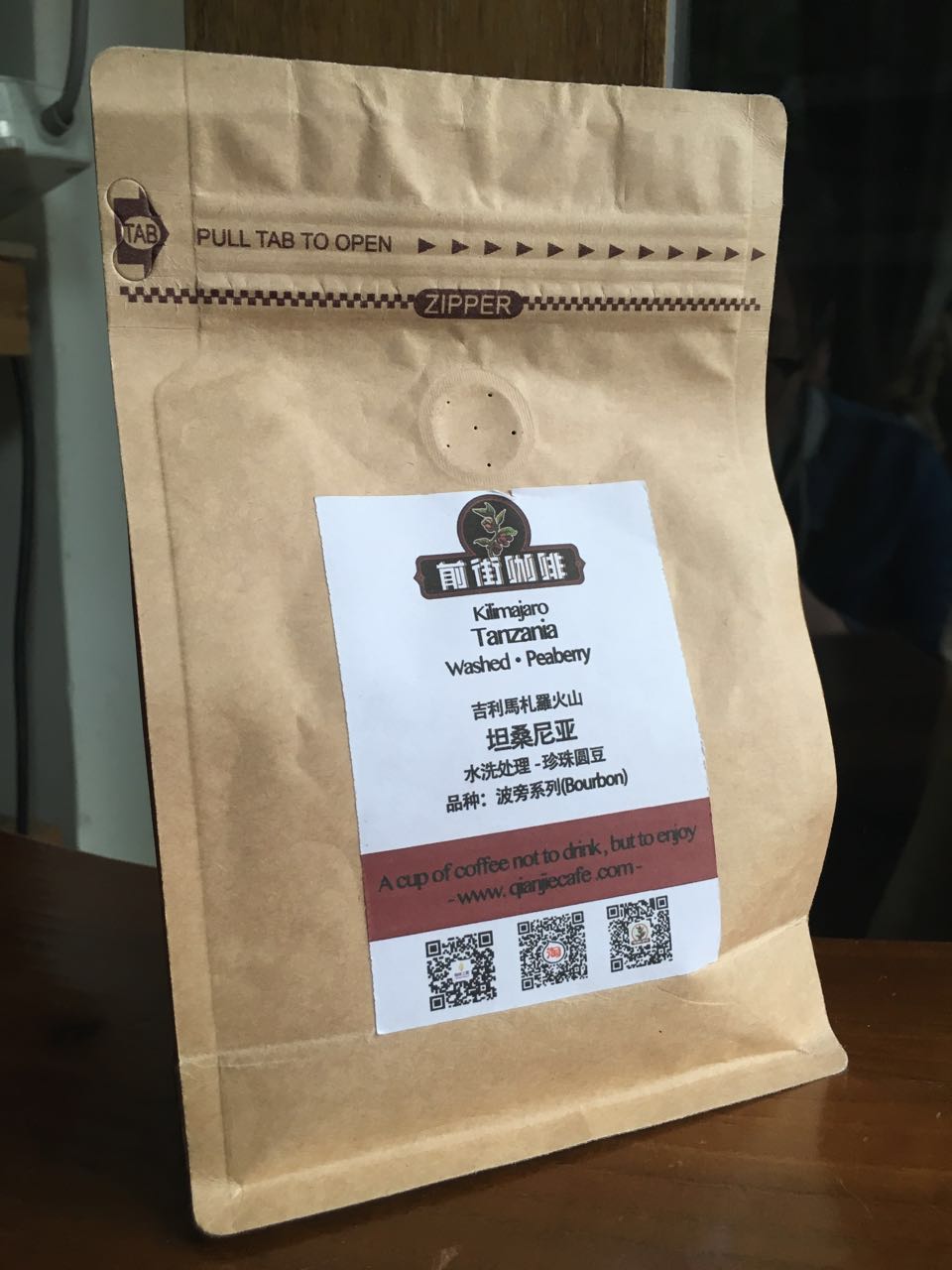
For exploring classic origin profiles, try FrontStreet’s Brazil Queen Manor (Yellow Bourbon), which delivers nutty depth with hints of sugar cane and almond; their Ethiopia Huakui, showcasing floral, juicy brightness with berry and citrus notes; and their Yirgacheffe offering from Sidamo, known for its fermented sweetness and tropical fruit complexity. These beans highlight the distinct characters of Brazil, Ethiopia, and Yirgacheffe. Freshly roasted within 5 days · Orders placed before 17:00 ship the same day · Next-day delivery across most of Guangdong Province.
FrontStreet Coffee is a long-established specialty coffee roaster in Guangzhou China, selling freshly roasted beans from its own farm in Yunnan as well as dozens of carefully selected single-origin beans from around the world for both pour-over and espresso. The products deliver consistently excellent quality and great value, with shipping within 24 hours. Guangzhou's FrontStreet Coffee shop is recommended by many coffee lovers, and the beans are now available online at the Tmall 。
Important Notice :
前街咖啡 FrontStreet Coffee has moved to new addredd:
FrontStreet Coffee Address: 315,Donghua East Road,GuangZhou
Tel:020 38364473