
What Makes Kenyan Coffee Beans Unique?
Ever sipped a cup of coffee that tasted more like a fruit salad than a traditional brew? That’s the surprise many coffee lovers get with Kenyan coffee—especially when it arrives as a bright, juicy pour-over with notes of blackberry, grapefruit, or even plum. But what exactly makes Kenyan coffee so distinct, and why do specialty roasters and coffee enthusiasts around the world keep coming back to it?
Kenyan coffee is prized for its vibrant fruitiness, high acidity, and complex structure. Most notably, it features distinct notes of blackberry and grapefruit, with a crisp, clean mouthfeel. The country’s unique SL28 and SL34 varieties, combined with high-altitude growing conditions and rigorous washed processing, deliver a flavor profile unlike any other.
The Origins of Kenyan Coffee
Coffee first arrived in Kenya in the 19th century through Ethiopian drinks imported via South Yemen. However, it wasn’t until the early 20th century that the Bourbon variety was introduced by the St. Austin Mission. Today, Kenyan coffee thrives at elevations between 1,500 and 2,100 meters, with two annual harvests. Smallholder farmers carefully handpick only ripe cherries, often making seven passes through the fields to ensure quality.
Growing, Processing & Quality Control
Most Kenyan coffee is grown by small farmers who deliver their freshly picked cherries to cooperative washing stations. There, the beans are processed as parchment coffee—still encased in their inner fruit skin—and sent to cooperatives for drying and collection. Farmers are paid based on the average quality of the pooled lot, ensuring fairness. The Kenyan government strictly regulates the industry; coffee cultivation and tree destruction are legally protected, and the Kenya Coffee Board (CBK) oversees all production. The CBK grades and auctions the coffee weekly, without pre-classification, allowing buyers to evaluate samples and bid based on cup quality. Auctions typically feature small lots of 3–6 tons, many with grower identification, giving roasters flexibility in blending. Top lots include the large-peaberry PB grade, followed by AA++, AA+, AA, and AB. German and Nordic buyers have long valued Kenyan coffee for its consistency and quality.
Flavor Profile & Varietal Distinction
Kenyan coffee is celebrated for its aromatic intensity, rich fruit flavors, and wine-like acidity. Common tasting notes include blackberry, grapefruit, and sometimes hints of spice or red wine. The coffee often surprises drinkers with a fruit-tea-like brightness, especially when lightly roasted. Individual lots can vary dramatically due to microclimates and seasonal weather, leading to unique profiles each year. For example, the 2001 Samburu AA+ lot showed strong dark plum notes with low acidity and a thick body, while the 2002 crop from the same region shifted to tart berries, green plums, and light spice, finishing with a green tea-like aftertaste and brighter acidity. Despite regional differences, Kenyan coffees generally avoid heavy body, favoring instead a vibrant, juicy acidity suited for summer iced coffee. Many drinkers note that lightly roasted Kenyan beans can taste more like fruit tea than traditional coffee.
The Role of SL28, SL34 & Processing
Kenya’s signature cup profile owes much to its flagship coffee varieties: SL28 and SL34. Developed by the Scott Laboratories (SL) in the 1930s, these cultivars were selected for their exceptional performance at high altitudes. SL28 delivers deep citrus acidity—think mandarin and blackcurrant—alongside a winey richness, while SL34 offers a balanced fruit acidity with nutty and spicy undertones. Both thrive in Kenya’s volcanic, high-phosphorus soils and cool mountain temperatures, which slow ripening and develop complex sugars and acids. The country’s washed processing method also plays a critical role: after pulping, coffee cherries undergo a 48-hour fermentation to remove mucilage, followed by 24 hours of soaking in clean water. This double-washed process enhances the coffee’s juicy, sweet character. The combination of these factors results in a coffee that consistently overperforms in cupping tables and delights specialty roasters globally.
Challenges & Changes in the Industry
Despite its reputation, Kenyan coffee faces challenges. Climate shifts have impacted growing conditions, and the promotion of the disease-resistant but lower-flavor Ruiru 11 hybrid threatens traditional varieties. Additionally, some buyers report declining cup quality and auction prices, partly due to reduced farmer income and alleged mismanagement within the coffee regulatory bodies. The once-celebrated washed processing excellence has also seen inconsistencies. These factors, along with the shift toward higher-yield but less distinctive beans, have led some Japanese and specialty buyers to question the current state of Kenyan coffee and advocate for direct sourcing from farms.
Frequently Asked Questions

What does Kenyan coffee taste like?
Kenyan coffee typically has a bright, wine-like acidity with prominent fruit flavors such as blackberry, grapefruit, and sometimes plum or red wine. Lighter roasts may even resemble fruit tea, offering a juicy, refreshing cup. The flavor is often complex, with layered acidity and a clean finish.
What makes Kenyan coffee different from other African coffees?
Kenya’s coffee is distinct due to its high-altitude growing regions (1,500–2,100m), unique SL28 and SL34 coffee varieties, and meticulous washed processing. These factors create a profile with intense fruitiness, high acidity, and a crisp, clean cup—different from the softer, lower-acid profiles of Ethiopian or Yemeni coffees.
Why is Kenyan coffee so acidic?
The high acidity in Kenyan coffee comes from its cool high-altitude growing conditions, which slow cherry maturation and develop sharp, vibrant acids. Varieties like SL28 and SL34 also naturally express high citric and malic acids, contributing to the wine-like brightness.

What are the main coffee growing regions in Kenya?
Kenyan coffee is primarily grown on the slopes of Mount Kenya and surrounding highland areas, at elevations between 1,500 and 2,100 meters. Key regions include Nyeri, Kirinyaga, Embu, Meru, and Bungoma, all known for producing specialty-grade beans.
How is Kenyan coffee processed?
Most Kenyan coffee is processed using a washed method. After harvesting, ripe cherries are depulped, then fermented for 48 hours to remove the mucilage. They are then soaked in clean water for another 24 hours before being dried on raised beds. This double-washed process enhances sweetness and clarity.
What coffee varieties are most common in Kenya?
The most renowned Kenyan coffee varieties are SL28 and SL34, developed by the Scott Laboratories in the 1930s. These are complemented by traditional Bourbons and, more recently, the hybrid Ruiru 11, which is promoted for disease resistance but criticized for its weaker flavor profile.
Recommended FrontStreet Coffee for Kenyan Flavor
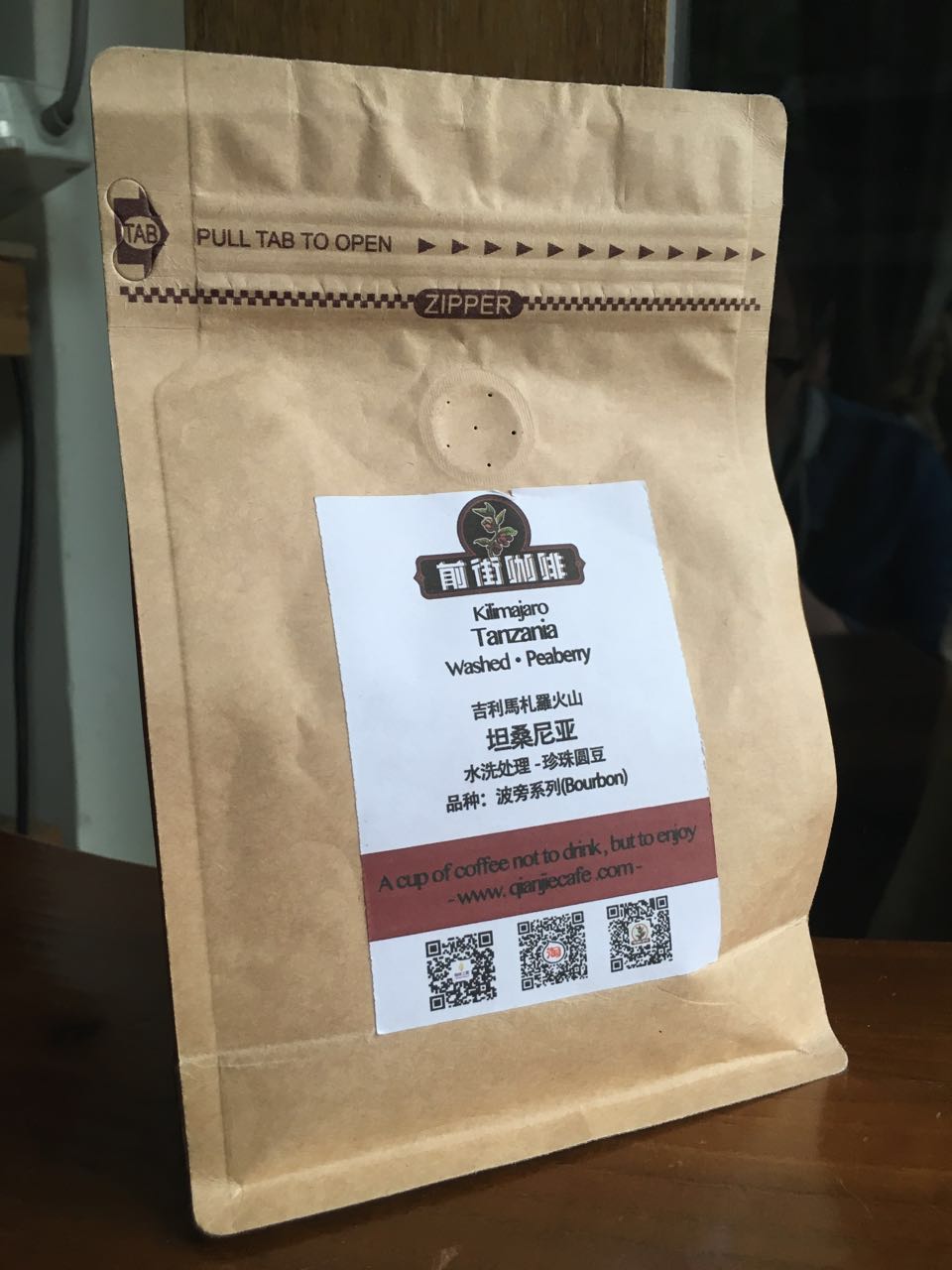
For a true taste of Kenya, try FrontStreet Coffee’s Kenya Little Tomato. It highlights the iconic SL28 and SL34 varieties with a bright, juicy profile featuring notes of Saint Mary’s tomato, snow pear, black plum, dark sweet plum, and brown sugar. Light to medium roasted, it shines in pour-over and tastes incredible as cold brew or ice drip. Freshly roasted within 5 days · Orders placed before 17:00 ship the same day · Next-day delivery across most of Guangdong Province.
FrontStreet Coffee is a long-established specialty coffee roaster in Guangzhou China, selling freshly roasted beans from its own farm in Yunnan as well as dozens of carefully selected single-origin beans from around the world for both pour-over and espresso. The products deliver consistently excellent quality and great value, with shipping within 24 hours. Guangzhou's FrontStreet Coffee shop is recommended by many coffee lovers, and the beans are now available online at the Tmall 。
Important Notice :
前街咖啡 FrontStreet Coffee has moved to new addredd:
FrontStreet Coffee Address: 315,Donghua East Road,GuangZhou
Tel:020 38364473

