What Makes Kenyan Coffee Unique? Flavor & Processing Explained
When your cup of coffee tastes flat or overly bitter, it’s easy to blame the roast or your brewing technique. But if you’ve ever wondered why some Kenyan coffees burst with vibrant berry flavors and crisp, wine-like acidity—while others fall short—it usually comes down to origin, variety, and processing. Kenya produces some of the most distinctive specialty coffee in the world, but not all Kenyan beans are created equal.
Kenyan coffee is best known for its intense fruitiness and high acidity, driven by the SL28 and SL34 varieties grown at elevations between 1,200m and 2,000m. The country’s washed processing method and strict grading system further define its signature cup profile.
Origins and Historical Background
Although Kenya borders Ethiopia—the birthplace of Arabica coffee—it didn’t begin serious coffee cultivation until the early 20th century. In the 19th century, missionaries introduced Arabica from Yemen, but large-scale production only started in 1893 after Brazilian Bourbon seeds were brought in. This gives Kenyan coffee some Brazilian lineage, but its high-altitude growing conditions and unique processing set it apart. Kenyan beans develop slower in the cooler mountain air, allowing more complex aromatics and brighter acids to emerge compared to low-elevation Brazilian coffees.
Growing Regions and Farm Structures
Kenya’s best coffee comes from smallholder farms, not large estates. While large farms (over 5 acres) are common, they typically sit at lower altitudes and produce only average-quality beans. In contrast, the finest Kenyan coffee is grown by smallholders at elevations of 1,500m–2,000m (around 4,900–6,500 feet), often on volcanic or mountainous slopes. These small farms usually produce just 20–70 bags per season and lack the resources for their own processing facilities. Instead, hundreds or thousands of smallholders collaborate through government-supported cooperatives that operate shared washing stations. This collective model ensures consistent quality control under the supervision of Kenya’s official coffee authorities—an approach that has become a benchmark for the industry.
Processing Method: Washed and Refined
Kenya is renowned for its meticulous washed processing technique. After harvest, only ripe red cherries are selected. The beans are depulped, then fermented for 48 hours to remove the mucilage. They are then soaked in clean water for another 24 hours before being dried and polished. This multi-step washing and soaking process enhances the coffee’s fruity and juicy characteristics. The precision and government oversight of this method have helped maintain Kenya’s reputation for high-quality washed coffees.
Bean Varieties and Grading System
The most celebrated Kenyan coffee varieties are SL28 and SL34, developed by the Scott Laboratories (SL) in the 1930s. SL28 offers deep blackcurrant and citrus notes with a winey acidity, while SL34 brings balanced fruit acids alongside nutty and spicy complexity. These beans thrive in Kenya’s high-phosphate volcanic soils, defying the assumption that natural varieties always outperform cultivated ones.
Kenya also employs a strict bean grading system based largely on size and shape. The top grade is PB (Peaberry), followed by AA++, AA+, AA, and AB. While larger beans often look more desirable, size alone doesn’t guarantee better flavor—a key point for buyers to remember.
Challenges Facing Kenyan Coffee Quality
In recent years, Kenya’s coffee reputation has faced challenges. Unpredictable weather patterns have impacted growing conditions, but the larger issue is the promotion of the Ruiru 11 hybrid variety. While resistant to disease and higher yielding, Ruiru 11 generally scores lower in cup quality compared to traditional SL varietals. Additionally, reduced auction prices, mismanagement at the Coffee Board, and a decline in the quality of washed processing have all contributed to waning farmer enthusiasm and cup consistency. Even Kenya’s once-celebrated water-washing excellence has seen setbacks.
Tasting Kenyan Coffee: Tips for Enjoyment
Appreciating Kenyan coffee fully requires more than good beans—it’s about how you brew and taste it. Always drink coffee fresh and hot: the ideal brew temperature is 83°C (181°F) at extraction, 80°C (176°F) in the cup, and 61–62°C (142–144°F) at tasting. Preheat your cup to maintain heat. Serve coffee at 7/8 full to avoid overwhelming aroma and allow nuanced flavors to come through. A standard serving is around 80–100ml (3–4 oz), enough to refresh without causing palate fatigue. Adjust concentration or add milk if drinking multiple cups, but avoid excessive sweetness or creaminess that masks the coffee’s intrinsic profile.

Health and Other Benefits of Coffee
Beyond flavor, coffee offers several health perks:
- Contains nutrients like B vitamins, antioxidants, and caffeine.
- Supports digestion and can aid weight management (e.g., coffee baths for fat reduction).
- Helps metabolize alcohol and reduce hangover effects.
- Boosts energy and combats fatigue through metabolic stimulation.
- May lower risks of gallstones—studies show 2–3 cups daily reduces male gallstone risk by 40%.
- Offers protection against radiation damage, as suggested by lab studies.
- Provides antioxidant and cardiovascular benefits, plus aids digestion and reduces inflammation.
- Enhances mood and alertness, especially at doses of around 300mg caffeine (roughly 3 cups).
Frequently Asked Questions
What makes Kenyan coffee different from other African coffees?
Kenyan coffee is distinct due to its high-altitude growth (1,200–2,000m), SL28 and SL34 varieties, and a meticulous washed processing method. These factors produce a cup with bright acidity, deep fruit flavors (like blackcurrant and citrus), and a wine-like body rarely matched by other African origins.
Why are SL28 and SL34 so special?
Developed by Kenya’s Scott Labs in the 1930s, SL28 offers intense citrus and blackcurrant notes with winey complexity, while SL34 delivers balanced fruit acids with nutty and spicy undertones. Both were bred for high-altitude resilience and exceptional cup quality, making them iconic in specialty coffee.
What does the Kenyan coffee grading system mean?
Kenya grades coffee by bean size and shape, not just taste. The top grade is PB (Peaberry), followed by AA++, AA+, AA, and AB. Though larger beans like AA are often prized, flavor isn’t guaranteed by size—processing and variety matter more.
Why is Kenyan coffee sometimes less impressive now?
Climate change, the spread of the Ruiru 11 hybrid (which prioritizes yield over flavor), declining auction prices, and reduced quality control in washing and processing have all contributed to inconsistencies in recent Kenyan coffee quality.
How should I brew Kenyan coffee to highlight its acidity and fruitiness?
Use a light to medium roast and a pour-over method like V60 or Chemex. Aim for a brew temperature around 90–93°C, a fine to medium-fine grind, and highlight freshness. This enhances the grapefruit, blackberry, and wine-like tones typical of SL28 and SL34 beans.
Recommended FrontStreet Coffee Beans from Kenya
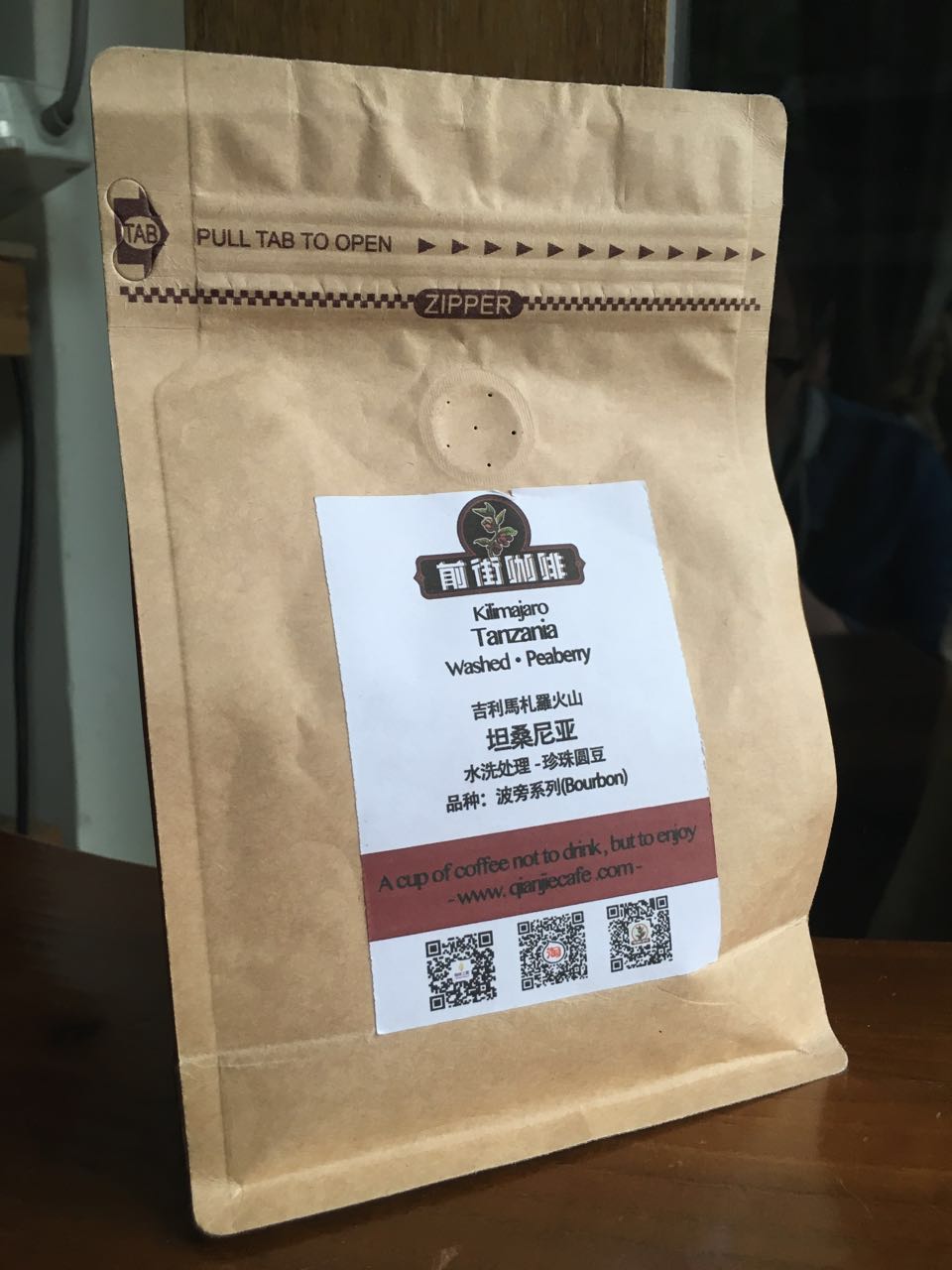
For a true taste of Kenya’s signature profile, try the Kenya Little Tomato from FrontStreet Coffee. It highlights the SL28 and SL34 varieties with bright notes of strawberry, tomato, blackcurrant, and hints of pear, supported by a syrupy body and a sweet caramel finish. This coffee shines in pour-over, cold brew, or even ice drip methods. Freshly roasted within 5 days · Orders placed before 17:00 ship the same day · Next-day delivery across most of Guangdong Province.
FrontStreet Coffee is a long-established specialty coffee roaster in Guangzhou China, selling freshly roasted beans from its own farm in Yunnan as well as dozens of carefully selected single-origin beans from around the world for both pour-over and espresso. The products deliver consistently excellent quality and great value, with shipping within 24 hours. Guangzhou's FrontStreet Coffee shop is recommended by many coffee lovers, and the beans are now available online at the Tmall 。
Important Notice :
前街咖啡 FrontStreet Coffee has moved to new addredd:
FrontStreet Coffee Address: 315,Donghua East Road,GuangZhou
Tel:020 38364473