What Honduras Coffee Tastes Like and What to Expect
If you’ve never thought of Honduras as a coffee origin, you’re not alone. With news dominated by political unrest and the famous Blue Hole diving site, it’s easy to overlook that this small Central American country quietly ranks among the region’s top coffee producers. But what does Honduran coffee really taste like—and why are specialty roasters taking notice?
Honduras grows two premium coffee types: 'Highland Coffee' from 1,000–1,500m and 'Special Highland Coffee' from 1,500–2,000m—the country’s highest grade. Most is exported to the U.S. and Germany. Its balanced profile, medium acidity, and clean sweetness make it a versatile single origin or espresso component.
Where Honduras Coffee Comes From
Honduras lies in northern Central America, bordered by Guatemala, El Salvador, Nicaragua, the Caribbean Sea, and the Pacific’s Gulf of Fonseca. The terrain is mostly mountainous and highland, with a tropical climate offering mild temperatures and abundant rainfall—ideal for coffee. Over 1,000m elevation, volcanic soils, microclimates, and consistent precipitation create optimal conditions for arabica cultivation. Honduras is not only Central America’s largest coffee producer but also the world’s second-largest exporter of washed arabica beans (when counted separately).
Two Premium Coffee Types Grown at Elevation
Honduras produces two standout coffee types:
- Highland Coffee: Grown at 1,000–1,500m altitude.
- Special Highland Coffee: Grown at 1,500–2,000m, representing the country’s highest-grade beans.
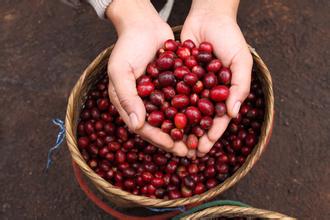
These coffees are cultivated on farms where trees are pruned to a maximum of 150cm to allow easy hand harvesting without ladders. Due to uneven ripening, each coffee cherry is picked at peak maturity over several weeks, exclusively by hand.
Processing Methods That Define the Cup
Honduras’ high-quality beans are processed using the washed (wet) method. The process begins with fruit soaking, where defective cherries float and are removed. Good cherries then go through a pulper to remove the skin and pulp. High-quality beans—typically larger ones—are selected, often indicating higher maturity. Drying is done using the natural (sun-dried) method, which contributes to the coffee’s subtle fruity notes. Common varieties include Caturra, Catuai, Typica, and Pacas.
Flavor Profile: Balanced, Versatile, and Surprisingly Refined
Honduras coffee delivers a remarkably balanced cup. Expect:
- Acidity: Medium to light, distinct but not sharp.
- Flavor Notes: Floral or fruity aromas (varying by altitude and region), often with hints of nuts or toffee. Some lots show exotic spice elements and finish with nutty or chocolatey richness.
- Body & Sweetness: Smooth, well-rounded body with clear sweetness and a lingering aftertaste.
- Balance: Acidity and bitterness are mild and well-integrated; neither dominates.
This balance makes Honduran coffee extremely versatile. It works beautifully as a single origin espresso, blends seamlessly into espresso blends, and performs well across brew methods. Many roasters favour a medium roast, which highlights its complex fruitiness and aromatic depth. Darker roasts amplify bitterness but preserve sweetness. However, the consensus among fans is that medium roast offers the richest, most distinctive flavor profile.
Frequently Asked Questions
What does Honduran coffee taste like?
Honduran coffee typically has medium to light acidity with a balanced, smooth profile. Flavors often include floral or fruity notes (depending on altitude and farm), along with nuances of nuts, toffee, or spices. The body is round and sweet, with a clean, lingering finish. It rarely presents harsh bitterness, making it approachable and versatile.
Where is Honduras coffee grown?
Honduras coffee is grown in the country’s mountainous highlands, primarily at elevations between 1,000 and 2,000 meters. The best-quality beans come from the 1,500–2,000m range, known as 'Special Highland Coffee.' The terrain offers ideal conditions: volcanic soils, consistent rainfall, and microclimates that support slow cherry maturation.
How is Honduran coffee processed?
High-quality Honduran coffee is processed using the washed (wet) method. Cherries are soaked to remove defective ones, then pulped to separate the skin. The beans are sorted by size and quality, with larger beans often indicating higher maturity. Drying is typically done in the sun (natural drying), which adds subtle fruity characteristics to the cup.
What roast level suits Honduran coffee best?
Most specialty roasters recommend a medium roast for Honduran coffee. This level enhances its natural fruitiness, floral notes, and aromatic complexity. Darker roasts can boost bitterness but retain some sweetness, while lighter roasts may not fully develop its inherent balance. Medium roast is generally considered optimal for showcasing its best qualities.
Is Honduran coffee expensive?
Honduran specialty coffee is priced competitively within the specialty market. While not the most expensive origin, high-altitude lots (especially Special Highland Coffee from 1,500–2,000m) are valued for their quality and fetch premium prices, especially when processed with care. Prices vary based on farm, certification, and processing method, but it remains accessible for everyday specialty drinkers.
What coffee varieties are common in Honduras?
The most common coffee varieties in Honduras include Caturra, Catuai, Typica, and Pacas. These are all high-quality arabica types well-suited to the country’s high-altitude growing regions. They contribute to the cup’s clarity, sweetness, and balanced acidity.
Recommended FrontStreet Beans from Honduras
FrontStreet Coffee’s washed-process Caturra from Honduras highlights the bright, complex profile typical of the region. Expect layered fruitiness, subtle spice, and a balanced finish with notes of nut and toffee. This single origin shines as an espresso or filter brew and reflects the refined cup quality Honduras is known for. Freshly roasted within 5 days · Orders placed before 17:00 ship the same day · Next-day delivery across most of Guangdong Province.
FrontStreet Coffee is a long-established specialty coffee roaster in Guangzhou China, selling freshly roasted beans from its own farm in Yunnan as well as dozens of carefully selected single-origin beans from around the world for both pour-over and espresso. The products deliver consistently excellent quality and great value, with shipping within 24 hours. Guangzhou's FrontStreet Coffee shop is recommended by many coffee lovers, and the beans are now available online at the Tmall 。
Important Notice :
前街咖啡 FrontStreet Coffee has moved to new addredd:
FrontStreet Coffee Address: 315,Donghua East Road,GuangZhou
Tel:020 38364473