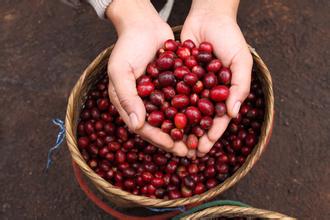
Salvadoran Coffee: Flavor, Profile & Roast Guide
When you’re searching for a smooth, well-balanced cup of coffee with just the right touch of acidity, Salvadoran beans often come up—but what makes them different? For coffee drinkers looking beyond the usual Ethiopian or Colombian offerings, Salvadoran coffee presents a unique option from a historically turbulent region that’s worked hard to rebuild its coffee industry. Let’s break down what Salvadoran coffee really tastes like, where it comes from, and how it’s graded.
In short: Salvadoran coffee is known for a balanced flavor with mild acidity, sweetness, and bitterness. The best beans are SHB (Strictly High Grown), grown at high elevations, and the recommended roast level is medium to dark for optimal taste.
What Is Salvadoran Coffee?
Salvadoran coffee refers to coffee grown in the small Central American country of El Salvador. These coffees are typically light-bodied, aromatic, clean, and mildly acidic. Their most notable trait is a strong balance between acidity, sweetness, and bitterness—qualities that make them stand out among other Central American origins. The best examples of Salvadoran coffee come from high-altitude farms and are classified as SHB (Strictly High Grown).
A Brief History of Salvadoran Coffee Production
Salvadoran coffee production has faced major challenges over the past few decades. In the early 1990s, ongoing guerrilla warfare severely disrupted the national economy. Coffee output plummeted from 3.5 million bags in the early 1970s to just 2.5 million bags by 1990–1991. The eastern regions, where much of the coffee was grown, were hit hardest, with farmers and workers abandoning estates. Per-hectare yields dropped dramatically—from around 1,200 kg per hectare to under 900 kg due to funding shortages and labor loss.
To make matters worse, in 1986 the government imposed an additional 15% export tax on top of the existing 30%, further discouraging exports. Poor exchange rates and reduced foreign income led to a decline in both volume and quality of exported coffee. Recognizing coffee’s role in employment, foreign exchange, and agriculture, the government began privatizing parts of the coffee export sector in 1990 to improve returns. Today, coffee still accounts for around 40% of the country’s exports, with the highest-quality beans shipped between January and March—35% of SHB-grade beans go to Germany.
Salvadoran Coffee Flavor & Roast Profile
Salvadoran coffee is celebrated for its balanced flavor profile. The taste is described as mild and well-rounded, with gentle acidity, sweetness, and bitterness all in equilibrium. This makes it an excellent choice for coffee drinkers who prefer a smoother, less intense cup without sacrificing complexity.
When it comes to roast levels, medium to dark roasts are considered ideal for Salvadoran beans. These roasts enhance the inherent balance and bring out deeper tones without overpowering the cup. The coffee works well in a variety of brewing methods, from filter to espresso, depending on the roast.
Salvadoran Coffee Grading System
Like its neighbors Guatemala and Costa Rica, El Salvador grades its coffee based on altitude, which strongly influences bean quality and flavor. The three main grades are:
- SHB (Strictly High Grown): Coffee grown at the highest elevations, resulting in dense, high-quality beans with complex flavors. These are considered the top-tier Salvadoran beans.
- HEC (High Grown Central): Medium-high elevation beans, still of good quality but slightly less complex than SHB.
- CS (Central Standard): Lower-elevation beans, generally more basic in profile and suitable for commercial blends.

The finest Salvadoran coffee brands, such as Pipil—a name derived from the ancient Aztec and Mayan word for coffee—have earned recognition, including organic certification from the Organic Certified Institute of America.
Frequently Asked Questions
What does Salvadoran coffee taste like?
Salvadoran coffee has a balanced flavor with mild acidity, subtle sweetness, and soft bitterness. The overall profile is smooth and well-rounded, making it approachable for a wide range of coffee drinkers.
What is the best roast for Salvadoran coffee?
The recommended roast level for Salvadoran coffee is medium to dark. These roasts enhance the bean’s natural balance and develop deeper flavor notes without masking the inherent qualities of the coffee.
How is Salvadoran coffee graded?
Salvadoran coffee is graded by altitude into three categories: SHB (Strictly High Grown) for the highest quality, HEC (High Grown Central) for mid-level elevation, and CS (Central Standard) for lower-grown beans. SHB beans are the most sought-after for their superior cup quality.
Where in El Salvador is the best coffee grown?
The best Salvadoran coffee is grown at higher altitudes, particularly in regions that produce SHB beans. These areas tend to have cooler temperatures and slower maturation, leading to denser beans with more complex flavors.
What export markets receive the highest-quality Salvadoran beans?
The highest-quality SHB-grade Salvadoran beans are often exported to Germany, which receives around 35% of these top-tier beans. They are typically shipped between January and March.
Recommended FrontStreet Beans with Similar Balance
For coffee lovers drawn to the balanced, smooth profile of Salvadoran SHB beans, try FrontStreet’s Jamaica Blue Mountain No.1—a Typica variety with exceptional balance, notes of chocolate, almond, and cream, best enjoyed as a medium-dark roast. Another great match is the Brazil Queen Manor Yellow Bourbon, offering creamy peanut, sweet cookie, and cane-like notes with a soft acidity, ideal for those who enjoy mild yet flavorful brews. Both showcase the refined balance and clarity akin to top Salvadoran lots. Freshly roasted within 5 days · Orders placed before 17:00 ship the same day · Next-day delivery across most of Guangdong Province.
FrontStreet Coffee is a long-established specialty coffee roaster in Guangzhou China, selling freshly roasted beans from its own farm in Yunnan as well as dozens of carefully selected single-origin beans from around the world for both pour-over and espresso. The products deliver consistently excellent quality and great value, with shipping within 24 hours. Guangzhou's FrontStreet Coffee shop is recommended by many coffee lovers, and the beans are now available online at the Tmall 。
Important Notice :
前街咖啡 FrontStreet Coffee has moved to new addredd:
FrontStreet Coffee Address: 315,Donghua East Road,GuangZhou
Tel:020 38364473