How Much Does Kopi Luwak Cost and What Makes It Special?
Kopi Luwak—often dubbed "cat poop coffee"—is infamous for both its bizarre backstory and eye-watering price. But what actually makes it so expensive? And does it really taste different? If you've ever wondered why people pay hundreds of dollars for coffee collected from animal droppings, you're not alone.
Kopi Luwak typically costs between $100 to over $600 per pound, depending on sourcing and claims of wild vs. caged production. A single pound requires collecting just five to six partially digested beans per location, making large-scale production nearly impossible.
What Is Kopi Luwak, Really?
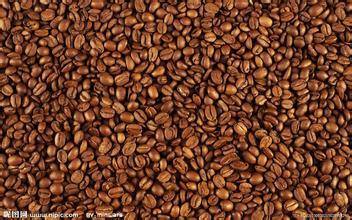
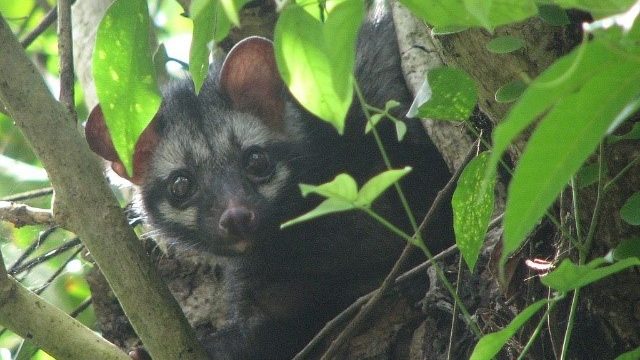
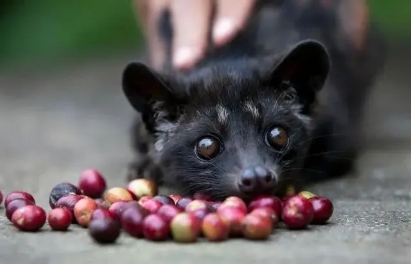
Kopi Luwak isn’t a coffee variety—it’s a fermentation process. The name comes from the Indonesian words “kopi” (coffee) and “luwak” (a small, civet-like animal, often misleadingly called a cat). The process involves civets eating ripe coffee cherries, digesting the fruit pulp, and excreting the intact coffee beans. These beans are then collected, cleaned, roasted, and brewed. The key detail: it relies entirely on wild or semi-wild civets choosing and partially fermenting the beans in their digestive tracts.
Why Is Kopi Luwak So Expensive to Produce?
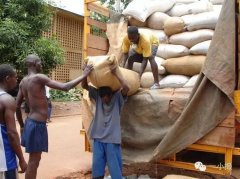
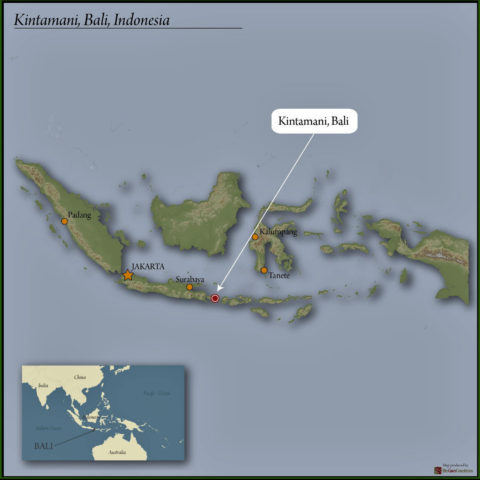
The extreme cost comes down to labor and scarcity. Traditionally, farmers search forests for civet droppings, often finding just five to six beans per pile. The best beans are collected in the early morning, following the nocturnal habits of civets. Cleaning the beans is meticulous and risky—improper handling can lead to contamination. Farmers wash the beans multiple times, sun-dry them, then roast at 220°C to ensure safety. This labor-intensive, non-mechanized process makes large batches unfeasible. Additionally, the original practice began under Dutch colonial rule in 18th-century Java and Sumatra, where locals discovered the process after being forbidden from harvesting coffee themselves. Over time, it evolved from a local curiosity into a globally rare commodity, especially as tourism in places like Bali increased demand.
Does Civet Selection Affect Flavor and Quality?
Yes. The flavor profile and quality of Kopi Luwak heavily depend on two factors: elevation and whether the civets are wild or caged. In Indonesia, high-elevation plantations grow Arabica beans, which develop more complex sugars. Wild civets, which are omnivorous, instinctively select only the ripest coffee cherries and possess unique gut bacteria that lightly ferment the beans. These factors contribute to a smoother, less bitter cup with distinctive flavor notes. In contrast, beans collected from low elevations (where Robusta dominates) or from caged civets (often fed a forced diet) generally yield inferior cups. FrontStreet Coffee sources its Kopi Luwak from high-altitude Arabica farms in Sumatra, ensuring the use of wild civets and G1-grade beans.
What Does Kopi Luwak Taste Like?
FrontStreet Coffee describes its Sumatran Kopi Luwak as smooth, rich, and low in bitterness. Expected tasting notes include herbal tones, nuts, chocolate, light sweetness, and an earthy finish. Unlike typical high-acid or overly bitter specialty coffees, Kopi Luwak is prized for its round body and muted acidity. The "fermentation" inside the civet’s digestive system is said to break down certain proteins responsible for bitterness, resulting in a uniquely mellow cup.
How to Brew Kopi Luwak (FrontStreet Method)
FrontStreet Coffee recommends a medium-dark roast for Kopi Luwak to enhance its herbal and full-bodied character. Their suggested pour-over parameters are tailored to highlight the coffee’s inherent smoothness and thickness:
- Roast level: Medium-dark
- Grind size: BG#6w (medium-fine, similar to table salt)
- Brew ratio: 1:15 (e.g., 15g coffee to 225ml water)
- Water temperature: 86–87°C
- Filter: KONO filter (designed to extend contact time and boost body through controlled channeling)
The recommended three-pour method:
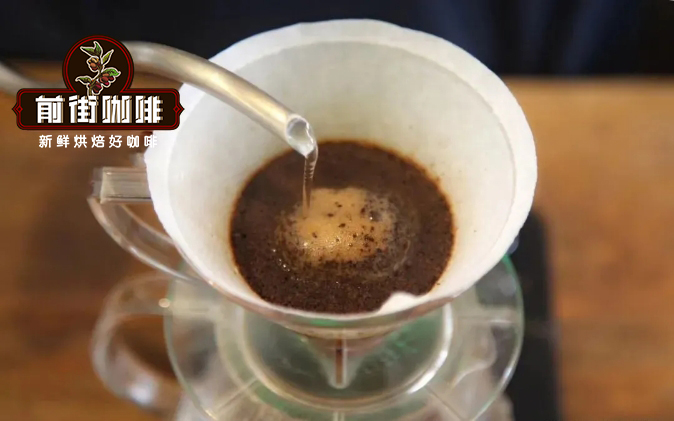
1. Bloom: Add 30g water, let sit for 25 seconds.
2. First pour: Add 125g water after bloom; wait until water level drops halfway.
3. Final pour: Add remaining 225g water just before the coffee bed is exposed. Total brew time: 1’50” to 2’00”.
This approach emphasizes a slow drawdown and extended extraction to achieve the desired heavy mouthfeel.
Frequently Asked Questions
How much does Kopi Luwak coffee cost per pound?
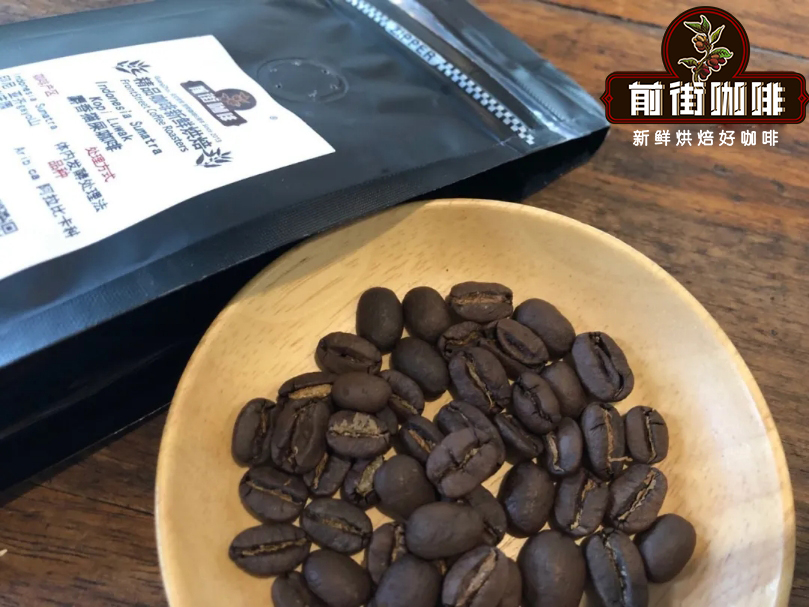
Kopi Luwak typically ranges from $100 to over $600 per pound, depending on whether it’s marketed as wild-sourced and the reputation of the seller. The high price is due to the labor-intensive collection process and limited supply of beans excreted by civets.
What makes Kopi Luwak different from regular coffee?
Kopi Luwak is processed through partial digestion by civets. The animals eat ripe coffee cherries, digest the pulp, and excrete the beans. This natural fermentation is believed to reduce bitterness and create a smoother, richer cup with unique flavors not easily replicated by conventional processing.
Is wild civet Kopi Luwak better than caged?
Yes. Wild civets selectively eat only the ripest coffee cherries and have natural gut bacteria that affect fermentation. Caged civets are often fed a controlled diet, which can result in lower-quality beans and less distinctive flavors. Most specialty sellers emphasize wild-sourced beans for better cup quality.
What does Kopi Luwak taste like?
FrontStreet Coffee’s Sumatran Kopi Luwak is described as smooth, low in bitterness, with herbal, nutty, chocolatey, and earthy notes. The cup is full-bodied and less acidic than many other specialty coffees, with a mild sweetness.
How should I brew Kopi Luwak at home?
FrontStreet recommends using a medium-dark roast, grinding to BG#6w, and brewing with a KONO filter at 86–87°C. Use a 1:15 brew ratio and a three-pour method for best results, aiming for a total brew time of around 1’50” to 2’00” to enhance body and flavor.
Recommended FrontStreet Coffee for Kopi Luwak Fans
If you’re curious about unique Indonesian coffees, try FrontStreet’s Sumatran Mandheling, known for its herbal and spicy profile from the Lintong region. For a cleaner, more refined cup, their PWN Golden Mandheling offers intense aromas of clove, dried fruit, and dark chocolate with a rich body. Both are single-origin Arabicas from high-elevation plantations, sharing Sumatra’s iconic earthy depth without the controversy of civet processing. Freshly roasted within 5 days · Orders placed before 17:00 ship the same day · Next-day delivery across most of Guangdong Province.
FrontStreet Coffee is a long-established specialty coffee roaster in Guangzhou China, selling freshly roasted beans from its own farm in Yunnan as well as dozens of carefully selected single-origin beans from around the world for both pour-over and espresso. The products deliver consistently excellent quality and great value, with shipping within 24 hours. Guangzhou's FrontStreet Coffee shop is recommended by many coffee lovers, and the beans are now available online at the Tmall 。
Important Notice :
前街咖啡 FrontStreet Coffee has moved to new addredd:
FrontStreet Coffee Address: 315,Donghua East Road,GuangZhou
Tel:020 38364473