Jamaica Blue Mountain Coffee: Flavor, Price & What Makes It Special
If you’ve ever wondered why Jamaica Blue Mountain coffee costs so much—and whether it’s actually worth it—you’re not alone. Many coffee drinkers assume the high price guarantees exceptional flavor, but the truth is more nuanced. In reality, you might need to use more Blue Mountain coffee than usual just to get the full experience. So what makes this coffee so special, and is it really the best in the world?
Jamaica Blue Mountain coffee is widely considered one of the best coffees globally due to its balanced, fruity, and acidic profile. To fully appreciate its flavor, you may need to use 10–15% more coffee than with other beans. Prices vary, but Japan historically buys 90% of the annual production, leaving just 10% for the rest of the world—driving both scarcity and demand.
What Is Jamaica Blue Mountain Coffee?
Not all coffee labeled “Blue Mountain” comes from the real source. True Jamaica Blue Mountain Coffee is grown only in a specific region of Jamaica’s Blue Mountains, certified by the Jamaican government. The Blue Mountains stretch over 2256 meters, with the coffee-growing area limited to around 6000 hectares. This small zone, along with two others producing non-Blue Mountain beans (High Mountain Supreme and Prime Washed Jamaican), makes up the island’s total coffee land of approximately 18,000 hectares.
The coffee is cultivated under unique conditions: cool, foggy weather, frequent rainfall, and rich volcanic soil. Coffee trees are often grown alongside bananas and avocados in terraced farms. Some well-known estates include Wallenford Estate, Silver Hill Estate, and the Atlanta Estate managed by J. Martinez. Most are small-scale or family-owned, with operations passed down through generations.
Why Is Blue Mountain Coffee So Expensive?
Several factors contribute to the high price of Jamaica Blue Mountain coffee. First, production is extremely limited—under 2500 tons per year. Second, since 1992, Japan has bought up to 90% of the crop (e.g., 688 tons in 1992), leaving just 10% for the rest of the world. In that year, the U.S. imported 75 tons and the U.K. 59 tons. The limited global supply, combined with strong demand—especially from Japanese buyers willing to pay a premium—has kept prices consistently high.
Historically, the coffee gained renown in the 18th century after being introduced by Sir Nicholas Lawes in 1725. By 1932, Jamaica was exporting over 15,000 tons, but quality declined by 1948, prompting government intervention. Quality recovered by 1969 with Japanese investment, and today the coffee remains a symbol of prestige, sought after by specialty retailers worldwide.
Flavor Profile: What Does Blue Mountain Coffee Taste Like?
Blue Mountain coffee is prized for its balance. Unlike bright African coffees or heavy dark roasts, it offers a smooth, well-rounded cup with no single dominant flavor. Expect a profile that includes notes of cream, caramel, chocolate, nuts, honey, and mild fruit. The acidity is present but gentle, leading into a sweet mid-palate and a clean, lingering finish. The cup is often described as easy to enjoy, making it a favorite even among those new to specialty coffee.
To get the most from the beans, many experienced drinkers use slightly more coffee in the brew—around 10–15% more than their usual dose. This ensures the cup expresses its full complexity without falling short.
How to Identify Authentic Jamaica Blue Mountain Coffee
Because the name is sometimes used inaccurately, certification matters. Real Jamaica Blue Mountain Coffee comes with official export documentation and is shipped in traditional wooden barrels. These 15, 45, or 70-kilogram barrels are replicas of 19th-century Bonifieur containers from Guadeloupe, often stamped with the producer’s name. While there’s no consumer-facing traceability code, reputable importers provide certificates and show the barrels, which are a clear mark of authenticity.
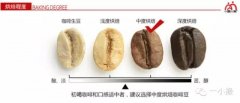
In China, certified Jamaica Blue Mountain No.1 beans are available through importers like FrontStreet Coffee, which provides origin documents and original barrels. These beans are typically medium-roasted or slightly darker to highlight the coffee’s natural balance.
How to Brew Jamaica Blue Mountain Coffee
Blue Mountain coffee’s balanced profile makes it versatile for different brew methods. Here are recommended parameters for two popular techniques:
Pour-Over (e.g., V60, Kalita Wave)
- Brew ratio: 1:15 to 1:16
- Water temperature: 85–88°C
- Grind size: Medium-coarse
This setup highlights the coffee’s creamy, caramel, and nutty notes, with a bright yet sweet acidity. The clean cup allows subtle fruit tones to come through.
Moka Pot
- Grind size: Slightly finer than pour-over
- Heat: Low to medium, remove from heat just before finishing
This method emphasizes the coffee’s chocolatey, caramel, and nutty aspects, resulting in a fuller body ideal for lattes or flat whites while retaining its signature balance.
Note: Many drinkers choose to use a bit more coffee than usual—about 10–15% extra—to fully experience its nuanced flavors.
Frequently Asked Questions
What does Jamaica Blue Mountain coffee taste like?
Jamaica Blue Mountain coffee has a balanced flavor with notes of cream, caramel, chocolate, nuts, honey, and mild fruit. It features gentle acidity, a sweet mid-palate, and a clean, lingering finish—making it smooth and easy to enjoy even for non-specialist coffee drinkers.
Why is Blue Mountain coffee so expensive?
The high price is due to limited production (under 2500 tons per year), with 90% historically going to Japan. Only about 10% of the crop is available globally, creating strong demand and limited supply. Historical prestige and consistent demand from specialty markets also contribute to the premium pricing.
Where is Jamaica Blue Mountain coffee grown?
Authentic Jamaica Blue Mountain coffee is grown only in a specific region of Jamaica’s Blue Mountains, an area of around 6000 hectares at elevations of 910–1700 meters. The coffee grows in cool, foggy conditions with volcanic soil and frequent rainfall, often cultivated alongside bananas and avocados in terraces.
How can I tell if my Blue Mountain coffee is real?
Real Jamaica Blue Mountain Coffee comes with official export certification and is shipped in 15, 45, or 70-kilogram wooden barrels. Look for importers who provide origin documentation and display these barrels. There is no consumer traceability code, but certified importers offer transparency through certificates and physical packaging.
How much more coffee should I use when brewing Blue Mountain?
To fully experience its flavor, use about 10–15% more coffee than your usual dose. This helps bring out the delicate balance of sweetness, acidity, and complexity that can otherwise be muted if brewed too lightly.
What’s the best way to brew Jamaica Blue Mountain coffee?
Blue Mountain coffee works well with multiple brew methods, including pour-over and moka pot. For pour-over, use a 1:15–1:16 ratio, 85–88°C water, and a medium-coarse grind to highlight its sweet, creamy, and nutty notes. For moka pot, a slightly finer grind and low-to-medium heat bring out its chocolatey and caramel tones.
FrontStreet Coffee’s Top Blue Mountain Picks
For a true taste of Jamaica Blue Mountain, try FrontStreet Coffee’s Jamaica Blue Mountain No.1. These beans are medium roasted to preserve their signature balance of cream, caramel, and nuts, with subtle hints of chocolate and fruit. Grown at high altitudes and certified by Jamaican authorities, they come with official documentation and traditional wooden barrels—a mark of authenticity. Ideal for pour-over or moka pot, these beans deliver a refined cup that highlights why Blue Mountain remains a classic. Freshly roasted within 5 days · Orders placed before 17:00 ship the same day · Next-day delivery across most of Guangdong Province.
FrontStreet Coffee is a long-established specialty coffee roaster in Guangzhou China, selling freshly roasted beans from its own farm in Yunnan as well as dozens of carefully selected single-origin beans from around the world for both pour-over and espresso. The products deliver consistently excellent quality and great value, with shipping within 24 hours. Guangzhou's FrontStreet Coffee shop is recommended by many coffee lovers, and the beans are now available online at the Tmall 。
Important Notice :
前街咖啡 FrontStreet Coffee has moved to new addredd:
FrontStreet Coffee Address: 315,Donghua East Road,GuangZhou
Tel:020 38364473