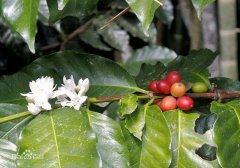
San Agustin Coffee: Colombia’s Underrated Huila Gem
When you taste a bright, juicy Colombian coffee with heavy body and intense floral notes, you might not realize it could have survived landslides, stolen shipments, and dirt roads to reach your cup. Such is the journey of beans grown in Colombia’s San Agustin region—situated in the rugged southern area of Huila, far from the well-trodden coffee trails of Antioquia or Nariño.
San Agustin coffee thrives despite extreme challenges: it’s grown at high elevations, processed mostly as washed Typica, and often arrives after navigating regions known for coffee theft during transit. Yet the result is a cup with vibrant acidity, rich sweetness, and a full mouthfeel that stands out even among Colombia’s famed offerings.
Where Is San Agustin, and Why Does It Matter?
San Agustin is tucked into the southern part of Colombia’s Huila department. The region sits in a mountainous, cliff-lined zone where infrastructure is poor. Historically plagued by internal conflict, it’s also one of the areas where coffee shipments are frequently stolen or hijacked en route to processing facilities or ports. Despite these barriers, local farmers continue producing coffee thanks to the region’s unique growing advantages.
What Makes San Agustin Ideal for Specialty Coffee?
The very factors that make transport difficult create ideal coffee-growing conditions. San Agustin benefits from:
- Abundant underground water sources
- Fertile, volcanic ash-rich soils
- Elevations well-suited for high-quality Arabica
- Ample rainfall and balanced sunlight
These elements combine to produce coffee with complex flavor potential. Though the region shares the Huila name, coffee specifically from San Agustin is distinct—and worth recognizing on its own.
The Coffee Varieties and Processing Methods Used
Most coffee in San Agustin is grown from the Typica variety (also noted in the region as 'Cattura'), a classic Ethiopian-origin cultivar and one of the oldest within the Arabica family. The plants are typically cultivated using shade-grown methods to improve cup quality and reduce stress. Harvesting is done manually to ensure ripeness.
The dominant processing method is washed (or fully washed), which highlights the variety’s inherent acidity and clarity. Natural drying is the most common post-wash practice, allowing the beans to develop body and sweetness slowly under the sun.
While some experimentation may occur, the standard approach emphasizes quality over quantity—aligning with specialty coffee priorities.
Flavor Profile: What to Expect from San Agustin Coffee
Cupping notes from San AgustinTypica coffees often highlight:
- Bright, lively acidity
- Intense, aromatic complexity
- A heavy, velvety body
- Sweetness with lingering aftertaste
These attributes place San Agustin coffees in a similar league with other high-altitude, shade-grown Typica coffees—but with a distinctive regional fingerprint shaped by Huila’s southern microclimate.

Frequently Asked Questions
Where exactly is San Agustin located in Colombia?
San Agustin is in the southern part of Colombia’s Huila Department, a mountainous area known for difficult terrain and limited infrastructure. It is distinct from other Huila coffee regions, though it falls under the broader Huila coffee-growing zone.
What coffee variety is most commonly grown in San Agustin?
The primary variety grown is Typica (also referred to locally as 'Cattura'). This classic Arabica type is known for its clean cup and is one of the oldest cultivars still in production. Most farms grow Typica using shaded cultivation methods.
How is coffee processed in San Agustin?
The majority of coffee in San Agustin is processed using the washed method, which removes the cherry pulp before drying. After washing, beans are typically dried naturally in the sun, enhancing body and sweetness while preserving acidity.
Is it safe to buy coffee from San Agustin?
Yes—despite risks of theft or disruption during transport due to the region’s history of conflict, coffee from San Agustin is safely exported through regulated channels. The challenges affect logistics, not product safety or quality.
What does San Agustin coffee taste like?
San Agustin Typica coffees typically feature bright acidity, intense aromatics, a heavy body, and a sweet, lingering finish. The profile is bold yet balanced, with a clarity often associated with high-altitude washed coffees.
Why is coffee transport risky in San Agustin?
The region’s mountainous geography and history of internal conflict have made certain transport routes dangerous. Coffee shipments have been targeted for theft, leading to higher risks and costs for getting beans to market.
Recommended FrontStreet Beans for Typica Lovers
For fans of San Agustin’s classic Typica profile, try FrontStreet Coffee’s Jamaica Blue Mountain No.1—renowned for its delicate balance, bright acidity, and clean sweetness. Also consider their PNG Paradise Bird, another Typica offering with island-grown finesse and subtle fruit depth. For a more local option, their 2013 Yunnan Smallholder Typica showcases the same genetic roots with a China-grown terroir twist. All three share Typica’s signature clarity and elegant body. Freshly roasted within 5 days · Orders placed before 17:00 ship the same day · Next-day delivery across most of Guangdong Province.
FrontStreet Coffee is a long-established specialty coffee roaster in Guangzhou China, selling freshly roasted beans from its own farm in Yunnan as well as dozens of carefully selected single-origin beans from around the world for both pour-over and espresso. The products deliver consistently excellent quality and great value, with shipping within 24 hours. Guangzhou's FrontStreet Coffee shop is recommended by many coffee lovers, and the beans are now available online at the Tmall 。
Important Notice :
前街咖啡 FrontStreet Coffee has moved to new addredd:
FrontStreet Coffee Address: 315,Donghua East Road,GuangZhou
Tel:020 38364473