Kenya Coffee Origins, Flavor Profile & Cultural Legacy
When you taste a bright, wine-like cup with juicy blackcurrant acidity and a lingering sweet finish, chances are you’re drinking Kenyan coffee — but what makes it so distinct? The answer lies in a unique mix of elevation, varietals, cooperative farming, and meticulous processing that evolved over more than a century. From the slopes of Mount Kenya to your pour-over dripper, Kenya’s coffee story is one of precision, tradition, and global influence.
Kenyan coffee is defined by high-altitude growth (1,500–2,100m), double-washed processing, and flagship SL28/SL34 varietals, delivering intense fruit acids, winey tones, and a creamy body. Its structured auctions and smallholder cooperatives ensure quality control and fair pricing for farmers.
The Origins of Coffee in Kenya
Coffee arrived in Kenya in the 19th century via Ethiopian beans imported from South Yemen, but commercial cultivation truly began in the early 20th century. The turning point came when the St. Austin Mission introduced Bourbon coffee trees — the genetic foundation for Kenya’s future elite cultivars. These early Bourbon imports, adapted to Kenya’s high-altitude zones, laid the groundwork for what would become one of the world’s most revered coffee origins.
Why Kenyan Coffee Grows at High Elevations
Most Kenyan coffee is cultivated between 1,500 and 2,100 meters above sea level. This elevation slows cherry maturation due to cooler temperatures, allowing sugars and acids to develop fully. The slower growth cycle contributes to the dense bean structure and vibrant acidity that define Kenyan profiles. The mountainous terrain, particularly around Mount Kenya, provides ideal conditions for producing complex, high-quality coffees with pronounced fruit character and a velvety mouthfeel.
Kenyan Coffee Varietals: SL28 and SL34
Kenya’s coffee reputation owes much to two legendary varietals: SL28 and SL34. Developed in the 1930s by the Scott Laboratories (SL), these were among 40 experimental cultivars bred for disease resistance and cup quality. SL28 delivers intense blackcurrant, citrus, and wine-like acidity with deep, resonant fruitiness. SL34 adds balanced fruit acids alongside nutty and spicy notes. Together, they revolutionized expectations for cultivated varieties, proving that selectively bred strains could rival or surpass heirloom types in both flavor and resilience. These varietals thrive in Kenya’s high-phosphorus volcanic soils, further enhancing their distinctive cup profiles.
How Kenyan Coffee Is Processed
Kenyan coffee is typically processed using a rigorous washed method. After pulping, beans undergo a 48-hour fermentation to remove the mucilage, followed by 24 hours of soaking in clean water. This extended double-washed process enhances sweetness and clarity, amplifying the inherent fruit acids and creating a clean, juicy cup. The meticulous attention to fermentation timing and water quality is a key reason why Kenyan coffees often exhibit such vibrant and well-defined flavors.
The Role of Smallholder Farmers & Cooperatives
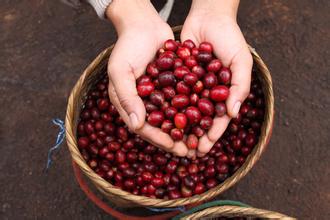
Kenyan coffee is primarily grown by smallholders who deliver their freshly picked cherries to centralized washing stations. These stations process the coffee into parchment (the dried bean encased in its inner husk) and forward it to cooperatives. At the co-op level, beans are pooled, assessed for quality, and sold at an average price based on overall merit. This system balances fairness for farmers with consistency for buyers, ensuring that even small producers can access premium markets through collective effort.
Government Regulation and the Coffee Auction System
The Kenyan government takes coffee production seriously: uprooting coffee trees is illegal, and the industry is tightly regulated. The Coffee Board of Kenya (CBK) oversees quality control, grading each lot before selling it through weekly, open auctions. Coffees are not re-graded at auction — instead, buyers evaluate pre-submitted samples to determine their bids. The top grades include Peaberry (PB), followed by AA++, AA+, AA, and AB. These grades reflect bean size, density, and cup potential, with PB and AA+ beans often showcasing the brightest acidity and most complex flavors. While some critics argue for direct trade alternatives, Kenya’s auction system provides a transparent, regulated marketplace that has sustained consistent global exports for decades.
Kenya Coffee Production & Export Trends
Kenya’s coffee production peaked in the mid-1980s, with exports reaching 2 million bags (1985–1986), but has since stabilized at around 1.6 million bags. Average yields hover near 650 kg per hectare. Prices began rising notably before the 2010s market boom — between 1993 and 1994, values increased by 50% year-on-year due to growing international demand. Though Japan and other buyers have occasionally criticized perceived declines in quality, Kenya’s structured grading, auction transparency, and cooperative model remain benchmarks for other producing nations.
The Cultural Legacy of Kenyan Coffee
Kenya’s coffee industry gained international glamour through the 1985 film Out of Africa, starring Meryl Streep as a Danish coffee planter in colonial Kenya. While the movie romanticized plantation life, it also cemented Kenya’s image as a land of sweeping landscapes and exceptional coffee. Even today, many coffee enthusiasts associate Kenya with the elegance and ambition portrayed in that classic film — a fitting metaphor for the country’s enduring pursuit of coffee excellence.
Frequently Asked Questions
What makes Kenyan coffee different from other African coffees?
Kenyan coffee is distinct due to its high-altitude cultivation (1,500–2,100m), use of SL28 and SL34 varietals, and rigorous double-washed processing. These factors create a cup with bright wine-like acidity, deep fruit flavors (like blackcurrant and citrus), and a creamy body — qualities less commonly found in other African origins.
What is the best grade of Kenyan coffee?
The highest-grade Kenyan coffee is Peaberry (PB), followed by AA++, AA+, AA, and AB. PB beans are small, round, and often have concentrated flavor. AA+ and AA grades are known for their large beans, high density, and complex, vibrant cups with strong acidity and fruit notes.
How does Kenya’s coffee auction system work?
The Coffee Board of Kenya (CBK) grades and pools coffee from cooperatives, then sells it weekly at open auctions. Coffees are not re-graded at auction; buyers bid based on pre-submitted samples. The system ensures transparency and allows roasters to assess quality before purchasing, with prices determined by market demand and cup profile.
Why are SL28 and SL34 so special?
SL28 and SL34 were developed by Kenya’s Scott Laboratories in the 1930s. SL28 offers intense blackcurrant, citrus, and winey acidity, while SL34 brings balanced fruit acids with nutty and spicy undertones. Both thrive at high altitudes and contribute to Kenya’s signature bright, complex cup profiles.
How is Kenyan coffee processed?
Kenyan coffee typically uses a washed process with a 48-hour fermentation to remove mucilage, followed by 24 hours of soaking in clean water. This “double-washed” method enhances sweetness, clarity, and acidity, resulting in a clean, juicy, and well-defined cup.
Who buys Kenyan coffee?
Kenyan coffee is purchased by specialty roasters worldwide, especially in Germany and Scandinavia, which value its consistent quality and bright acidity. Japan has historically been a major buyer, though some Japanese importers have sought direct-from-farmer sourcing to improve perceived quality.
Recommended FrontStreet Beans for Kenya Lovers
FrontStreet’s Kenya Little Tomato combines the prized SL28 and SL34 varietals, processed with a double-washed method and medium-light roast. Expect intense notes of strawberry, snow pear, black plum, dark cherry, and brown sugar, with a thick body, layered acidity, and a caramel-like finish. Excellent as pour-over or cold brew. Freshly roasted within 5 days · Orders placed before 17:00 ship the same day · Next-day delivery across most of Guangdong Province.
FrontStreet Coffee is a long-established specialty coffee roaster in Guangzhou China, selling freshly roasted beans from its own farm in Yunnan as well as dozens of carefully selected single-origin beans from around the world for both pour-over and espresso. The products deliver consistently excellent quality and great value, with shipping within 24 hours. Guangzhou's FrontStreet Coffee shop is recommended by many coffee lovers, and the beans are now available online at the Tmall 。
Important Notice :
前街咖啡 FrontStreet Coffee has moved to new addredd:
FrontStreet Coffee Address: 315,Donghua East Road,GuangZhou
Tel:020 38364473